
Snoring isn’t just “a funny noise.” It can turn a full night in bed into a half-night of actual sleep.
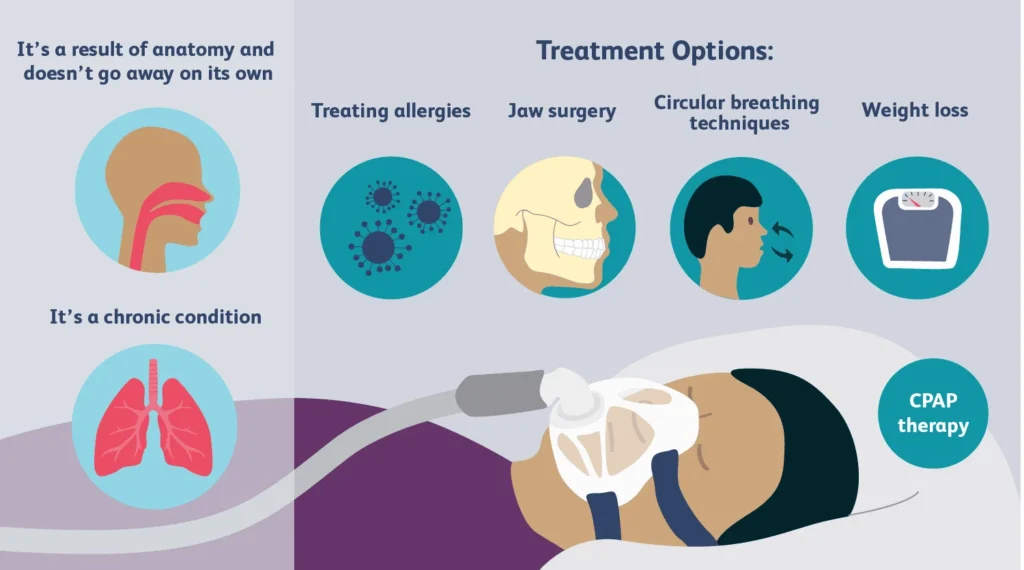
And lately, it’s showing up everywhere: new sleep gadgets, relationship jokes, travel fatigue reels, and burnout talk at work.
Thesis: If snoring is denting sleep quality, a simple, timed plan—starting with an anti snoring mouthpiece—can be a practical first move.
Quick overview: why snoring feels louder right now
Sleep has become a hobby and a status symbol. People track sleep scores, buy wearables, and test “smart” everything. At the same time, more people are openly talking about exhaustion, especially after travel, late-night scrolling, or a heavy work week.
Snoring sits right in the middle of that cultural moment. It’s personal, it affects partners, and it’s hard to ignore when you’re chasing better sleep quality.
You may also see headlines about new devices being tested, including a Can a chin-worn device cure snoring? UK trial begins. That kind of news keeps the conversation hot, even if you’re just trying to sleep.
Timing: when to act (and when to escalate)
Timing matters because snoring isn’t always the same problem every night. Some nights are “mechanical” (position, jaw, mouth breathing). Others are “situational” (alcohol late, allergies, a cold, or post-flight dryness).
Start your snoring plan when the pattern is consistent
If snoring shows up most nights for two weeks, that’s a useful threshold. It’s long enough to rule out a one-off bad week, but not so long that you normalize poor sleep.
Move faster if you see red flags
Snoring can overlap with sleep-disordered breathing. If there’s choking or gasping, witnessed breathing pauses, morning headaches, or significant daytime sleepiness, don’t “DIY it” indefinitely. Consider a medical evaluation to rule out conditions like sleep apnea.
Use travel weeks and burnout weeks as data, not destiny
After a trip, your routine shifts. Hydration drops, nasal passages feel dry, and sleep timing gets weird. During burnout, stress can fragment sleep and make snoring feel worse for both of you. Treat those weeks as a test: if snoring spikes, you’ve found triggers you can manage.
Supplies: what to gather before you try an anti snoring mouthpiece
You don’t need a nightstand full of gadgets. You need a few basics so you can test changes without guessing.
- A simple tracking note: 1–10 snoring severity (partner rating or app), plus how you felt in the morning.
- Water and a consistent bedtime window: dryness and irregular sleep can amplify noise.
- Nasal support if you’re congested: congestion can push you toward mouth breathing. (For kids, there’s ongoing research into nasal approaches, but adults should still use common sense and seek guidance when symptoms persist.)
- The device you’ll actually use: a comfortable mouthpiece matters more than a fancy feature list.
Step-by-step (ICI): Identify, Choose, Iterate
This is the no-drama framework. It keeps you from buying three devices in a weekend and abandoning all of them by Wednesday.
1) Identify your likely snoring lane
Use these quick clues:
- Mostly back-sleeping snoring: position is a big driver.
- Dry mouth on waking: mouth breathing may be part of it.
- Seasonal or nightly stuffiness: nasal airflow may be limiting.
- Partner says it’s “vibrating” and constant: airway narrowing may be more persistent.
None of this is a diagnosis. It’s just a way to pick a sensible first experiment.
2) Choose a starter approach that matches the problem
If your goal is to reduce mouth-breathing snoring and improve sleep quality quickly, an anti snoring mouthpiece is a common first try. Some people also like pairing it with a chinstrap-style support for stability.
If you want a combined option, consider this anti snoring mouthpiece. The main point is consistency: one setup you can repeat nightly.
3) Iterate for 10–14 nights (don’t judge it after one weird evening)
Give your body a short adjustment window. Keep everything else steady: bedtime, alcohol timing, and sleep position when you can.
- Nights 1–3: focus on comfort and fit. Mild awareness is common. Sharp pain is not.
- Nights 4–7: watch for snoring reduction and fewer wake-ups.
- Nights 8–14: decide if the benefit is real enough to keep it in rotation.
Mistakes that keep people snoring (even with a mouthpiece)
Buying based on hype instead of your pattern
Sleep trends move fast. A device can be popular and still be the wrong match for your anatomy or habits.
Changing five things at once
If you add a mouthpiece, a new pillow, a new supplement, and a new bedtime, you won’t know what helped. Change one main variable, then stack small habits.
Ignoring nasal congestion
If your nose is blocked, your body will default to mouth breathing. That can overpower your best intentions. Address the basics: hydration, bedroom humidity, and common-sense congestion relief.
Pushing through jaw or tooth pain
Discomfort that builds is a stop sign. Fit and dental health matter. If you have TMJ symptoms or dental concerns, get professional input.
Laughing it off when symptoms look serious
Relationship humor is great until it delays care. If snoring comes with gasping, witnessed pauses, or major daytime fatigue, consider screening for sleep apnea.
FAQ
Do anti-snoring mouthpieces work for everyone?
No. They often help when jaw position and mouth breathing contribute, but they’re not universal.
How long should I test one before switching?
Aim for 10–14 nights unless you have pain or worsening symptoms. Consistency matters more than perfection.
What’s the simplest way to measure progress?
Use two signals: partner feedback (or a snore app trend) and how rested you feel. One without the other can be misleading.
Can kids use the same approach?
Kids’ snoring and sleep-disordered breathing should be evaluated by a pediatric clinician. Adult mouthpieces are not a default solution for children.
When should I talk to a clinician?
If there are breathing pauses, choking/gasping, high sleepiness, or safety concerns (like drowsy driving), seek medical advice promptly.
CTA: make tonight easier
If you want a simple first step that doesn’t require a full sleep-lab overhaul, start with a consistent setup and a two-week test window.
How do anti-snoring mouthpieces work?
Medical disclaimer: This article is for general information only and is not medical advice. Snoring can be harmless or related to a medical condition. If you have symptoms suggestive of sleep apnea or other sleep-disordered breathing, consult a qualified clinician.