
Blog post title: The Ultimate Solution: Mouthpieces for Managing Snoring and Restless Leg Syndrome
Summary:
Snoring and restless leg syndrome (RLS) are two common sleep disorders that affect millions of people worldwide. While snoring can be disruptive to both the snorer and their partner, RLS can cause discomfort and restlessness during the night, leading to poor sleep quality. Luckily, there is a solution that can help manage both of these conditions – mouthpieces.
In this blog post, we will discuss the benefits of using mouthpieces for managing snoring and RLS. We will also explore the different types of mouthpieces available, their effectiveness, and how to choose the right one for your specific needs.
Benefits of Using Mouthpieces for Snoring and RLS:
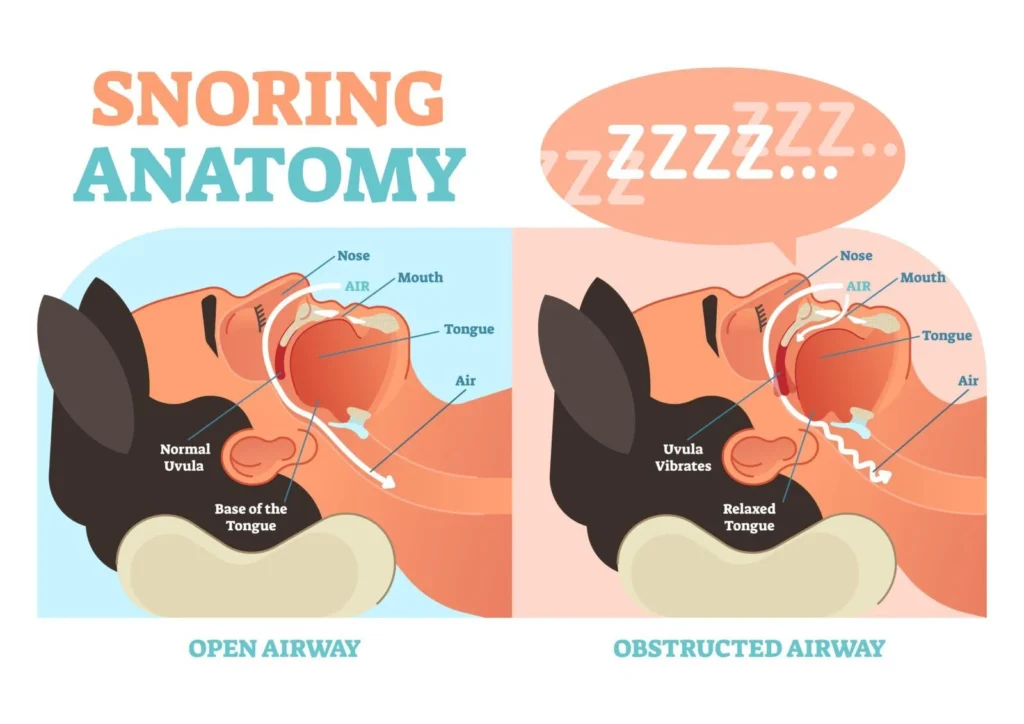
Mouthpieces, also known as oral appliances, are custom-made devices that are worn in the mouth while sleeping. They work by adjusting the position of the jaw and tongue to keep the airway open, preventing snoring. Additionally, some mouthpieces can also help with RLS by keeping the jaw in a more stable position, reducing the urge to move the legs.
One of the main benefits of using mouthpieces is their non-invasive nature. Unlike other treatments for snoring and RLS, such as surgery or medications, mouthpieces do not require any permanent changes to the body or potential side effects. They are also relatively affordable and easy to use, making them a popular choice among those looking for a non-invasive solution.
Types of Mouthpieces for Snoring and RLS:
The Ultimate Solution: Mouthpieces for Managing Snoring and Restless Leg Syndrome
There are two main types of mouthpieces available for managing snoring and RLS – mandibular advancement devices (MADs) and tongue retaining devices (TRDs). MADs work by slightly pushing the lower jaw forward, while TRDs hold the tongue in place to prevent it from falling back and blocking the airway. Both types have been proven to be effective in reducing snoring and improving sleep quality.
Effectiveness of Mouthpieces:
Several studies have been conducted to evaluate the effectiveness of mouthpieces for snoring and RLS. One study found that MADs reduced snoring frequency and intensity in 90% of patients, while another study showed that TRDs were effective in reducing RLS symptoms in 71% of patients. These results show that mouthpieces can be highly effective in managing both snoring and RLS.
Choosing the Right Mouthpiece:
With so many mouthpieces available on the market, it can be overwhelming to choose the right one. It is essential to consult with a healthcare professional before purchasing a mouthpiece, as they can help determine the underlying cause of your snoring or RLS and recommend the best type of mouthpiece for you.
Some factors to consider when choosing a mouthpiece include comfort, adjustability, and material. It is also essential to ensure that the mouthpiece is FDA-approved and made from safe, non-toxic materials.
In addition to these factors, it is crucial to follow the instructions for fitting and cleaning the mouthpiece to ensure it remains effective and hygienic.
In conclusion, mouthpieces are a safe, non-invasive, and effective solution for managing snoring and RLS. They offer many benefits and have been proven to be highly effective in reducing symptoms and improving sleep quality. By choosing the right mouthpiece and following proper care instructions, you can finally get a good night’s sleep and say goodbye to snoring and RLS.