
Summary:
Snoring and restless leg syndrome (RLS) are two common sleep disorders that can significantly affect a person’s quality of sleep and overall health. While they may seem like separate issues, recent studies have shown a strong connection between snoring and RLS. In this blog post, we will explore the relationship between these two conditions and how a mouthpiece can help alleviate both snoring and RLS.
First, we will delve into the causes of snoring and RLS. Snoring is a result of the narrowing of the airway, leading to vibrations in the throat as air passes through. It is often caused by relaxed throat muscles or excess tissue in the throat. On the other hand, RLS is a neurological disorder characterized by an uncontrollable urge to move one’s legs, usually accompanied by uncomfortable sensations. The exact cause of RLS is still unknown, but it is believed to be related to an imbalance of dopamine in the brain.
So, what is the connection between these two seemingly unrelated conditions? Recent research has shown that snoring can lead to poor quality of sleep, which can trigger or worsen RLS symptoms. This is because snoring disrupts the normal sleep cycle, causing frequent awakenings and preventing the body from entering deep sleep stages, where muscle relaxation and repair occur. As a result, RLS symptoms may be more severe in snorers compared to non-snorers.
The good news is that a mouthpiece can help with both snoring and RLS. A mouthpiece, also known as an oral appliance, is a device that is worn in the mouth while sleeping. It works by positioning the jaw forward, keeping the airway open and preventing the tongue and soft tissues from blocking the airway. As a result, snoring is significantly reduced, and the body can enter deep sleep stages, reducing RLS symptoms.
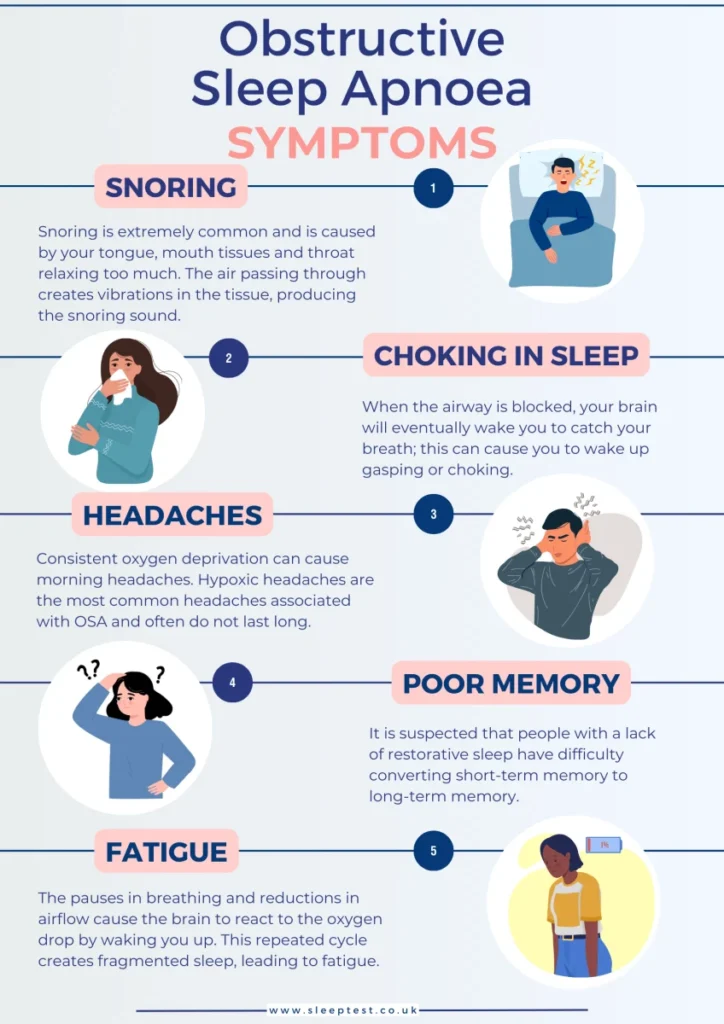
The Snore and RLS Connection: How a Mouthpiece Can Help
Moreover, a mouthpiece can also help with sleep apnea, a common sleep disorder often associated with snoring. Sleep apnea occurs when the airway is completely blocked, causing the person to stop breathing multiple times during the night. This not only leads to poor quality of sleep but also increases the risk of developing other health issues such as high blood pressure, heart disease, and stroke. By keeping the airway open, a mouthpiece can prevent sleep apnea and improve overall sleep health.
But how does a mouthpiece help with RLS? As mentioned earlier, RLS is linked to an imbalance of dopamine in the brain. Research has shown that using a mouthpiece can increase dopamine levels in the brain, leading to a reduction in RLS symptoms. Additionally, by improving sleep quality, a mouthpiece can also help regulate the body’s circadian rhythm, which is crucial in managing RLS.
It is essential to note that not all mouthpieces are the same. Over-the-counter mouthpieces may provide temporary relief, but they are not customized to fit an individual’s specific needs and may cause discomfort or even worsen symptoms. It is best to consult with a dentist or sleep specialist to get a custom-made mouthpiece that is tailored to your needs.
In conclusion, snoring and RLS are two common sleep disorders that are closely related. Snoring can worsen RLS symptoms, but a mouthpiece can help alleviate both conditions. By keeping the airway open, a mouthpiece can reduce snoring and improve sleep quality, which in turn can lead to a reduction in RLS symptoms. If you or a loved one suffers from snoring or RLS, consider trying a mouthpiece for a better night’s sleep and improved overall health.
Metadata: