
Blog Post:
Snoring can be a nuisance for both the snorer and their partner. It can disrupt sleep, cause fatigue during the day, and even lead to more serious health problems. While there are several factors that can contribute to snoring, one common cause is enlarged tonsils. In this blog post, we will discuss how to identify and treat snoring caused by enlarged tonsils.
What are Tonsils?
Tonsils are two small, oval-shaped tissues located at the back of the throat. They are part of the body’s immune system and help to fight against infections. However, when the tonsils become enlarged, they can block the airway and cause snoring.
Identifying Snoring Caused by Enlarged Tonsils
Snoring caused by enlarged tonsils is most commonly seen in children, but it can also affect adults. Here are some signs to look out for to determine if enlarged tonsils are the cause of your snoring:
1. Loud Snoring: Snoring caused by enlarged tonsils is often loud and disruptive. It may sound like heavy breathing, and it can be difficult to sleep through.
2. Difficulty Breathing: If you find yourself struggling to breathe while sleeping, it could be a sign that your enlarged tonsils are blocking your airway.
3. Mouth Breathing: People with enlarged tonsils may also be mouth breathers. This means they tend to breathe through their mouth instead of their nose, which can contribute to snoring.
4. Daytime Fatigue: Snoring caused by enlarged tonsils can disrupt your sleep and leave you feeling tired and fatigued during the day.
5. Frequent Sore Throats: Enlarged tonsils can cause irritation and inflammation in the throat, leading to frequent sore throats.
If you experience one or more of these symptoms, it is important to consult with a doctor for a proper diagnosis.
Treatment Options
The most effective way to treat snoring caused by enlarged tonsils is to remove the tonsils through a surgical procedure called a tonsillectomy. This surgery is typically performed in children, but it can also be done in adults if the enlarged tonsils are causing severe snoring and sleep disturbances.
Before deciding on surgery, your doctor may recommend trying other treatment options first, such as:
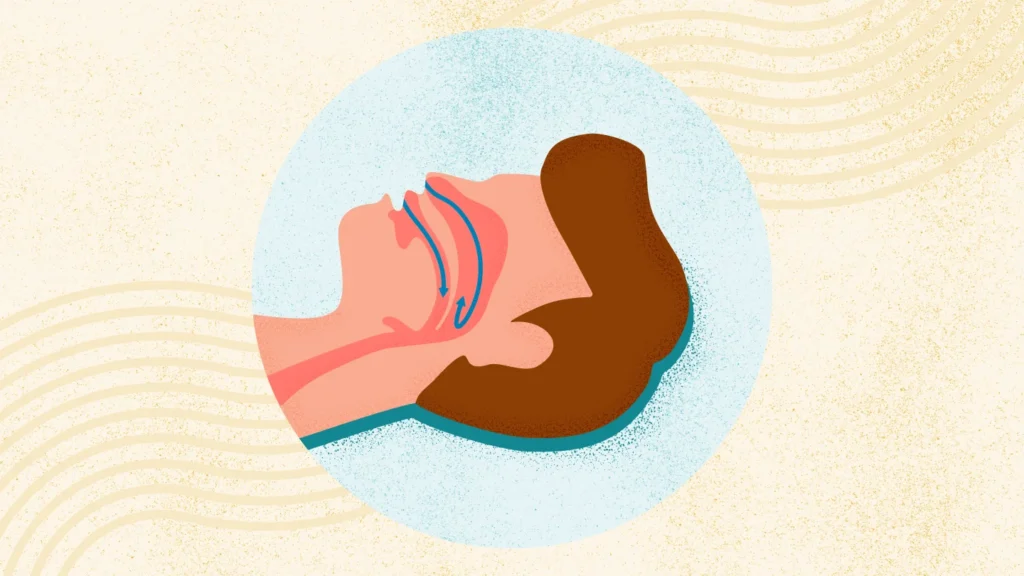
How to Identify and Treat Snoring Caused by Enlarged Tonsils
1. Nasal Steroids: These medications can help to reduce inflammation in the nasal passages and improve breathing.
2. Oral Appliances: These devices are worn in the mouth while sleeping and help to keep the airway open.
3. Weight Loss: In some cases, snoring caused by enlarged tonsils can be improved by losing weight, as excess weight can contribute to breathing difficulties.
4. Continuous Positive Airway Pressure (CPAP) Machine: This machine delivers pressurized air through a mask to keep the airway open while sleeping.
5. Allergy Medications: If allergies are causing the enlarged tonsils, taking allergy medications can help to reduce inflammation and improve breathing.
If these nonsurgical methods do not provide relief, then a tonsillectomy may be recommended.
Recovery and Aftercare
A tonsillectomy is a relatively simple and safe procedure, but it is important to follow your doctor’s instructions for a successful recovery. Here are some tips to keep in mind:
1. Rest: After surgery, it is important to rest and avoid any strenuous activities for at least a week.
2. Stay Hydrated: Drink plenty of fluids to keep your throat moist and promote healing.
3. Avoid Irritants: Stay away from acidic and spicy foods that can irritate the throat and delay healing.
4. Use Pain Medications: Your doctor may prescribe pain medications to manage discomfort after surgery.
5. Follow Up with Your Doctor: It is important to attend all follow-up appointments with your doctor to ensure proper healing.
In most cases, the recovery time for a tonsillectomy is about 10 to 14 days, and most people can return to their normal routine within two weeks.
In Summary
Snoring caused by enlarged tonsils can be disruptive and affect both children and adults. Identifying the signs and seeking proper treatment is essential for improving sleep and overall health. If nonsurgical methods do not provide relief, a tonsillectomy may be recommended. Following proper recovery guidelines and attending follow-up appointments is crucial for a successful outcome.