
Summary:
Snoring can be a frustrating and disruptive issue for both the snorer and their partner. While there are many potential causes of snoring, two common culprits are a deviated septum and mouth breathing. Fortunately, there are solutions available to help alleviate these issues and provide a better night’s sleep.
In this comprehensive guide, we will explore the relationship between snoring, a deviated septum, and mouth breathing. We will also discuss the various treatment options available, including mouthpieces and nasal dilators, and how they can help improve snoring and breathing.
Understanding the Connection Between Snoring, Deviated Septum, and Mouth Breathing:
A deviated septum occurs when the thin wall that separates the two nostrils is not straight. This can be present from birth or can be caused by injury or trauma. When the septum is deviated, it can make it difficult to breathe through the nose, leading to mouth breathing. Mouth breathing, in turn, can contribute to snoring as the muscles in the mouth and throat relax and obstruct the airway.
Treatment Options for Snoring and Deviated Septum:
1. Nasal Dilators: Nasal dilators are small devices that are inserted into the nostrils to help keep them open. They work by gently pulling the nostrils apart, allowing for easier breathing through the nose. This can help reduce snoring and alleviate the symptoms of a deviated septum.
2. Mouthpieces: Mouthpieces or oral appliances are designed to keep the jaw in a more forward position, which helps prevent the tongue from falling back and blocking the airway. This can be particularly helpful for those who snore due to mouth breathing or a deviated septum.
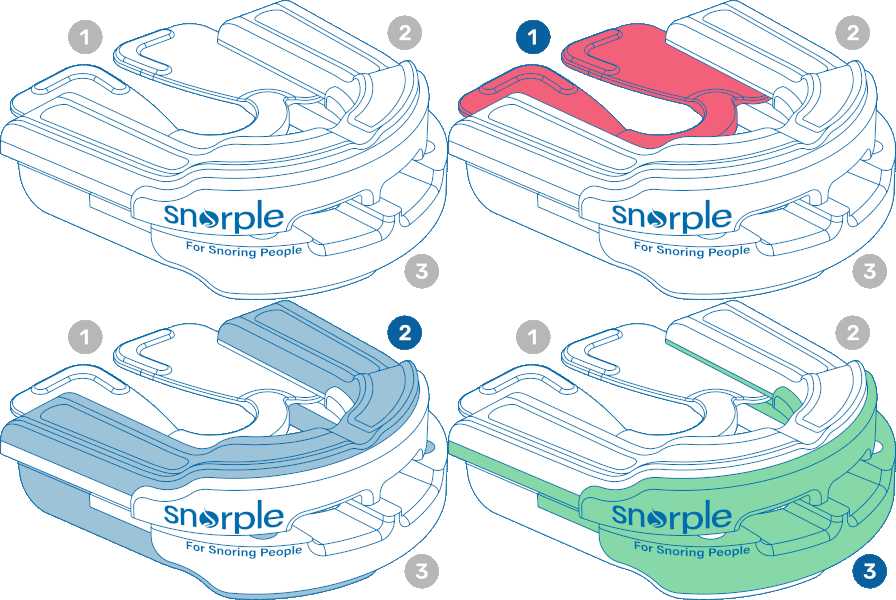
Mouthpiece for Snoring and Deviated Septum: A Comprehensive Guide
3. Nasal Strips: Nasal strips are adhesive strips that are placed over the nose to help open up the nasal passages. They work by pulling the nostrils open, allowing for better airflow. While they may not be as effective as other treatment options, they can provide temporary relief for those with a deviated septum.
4. Surgery: For severe cases of a deviated septum, surgery may be recommended. The most common procedure is called a septoplasty, where the surgeon straightens the septum and removes any excess tissue that may be obstructing the airway. This surgery can greatly improve breathing and reduce snoring.
5. Lifestyle Changes: Making lifestyle changes can also help alleviate snoring and improve breathing. These changes can include losing weight, quitting smoking, and avoiding alcohol before bedtime. These habits can contribute to snoring and may worsen the symptoms of a deviated septum.
Choosing the Right Treatment Option:
When considering treatment options for snoring and a deviated septum, it is essential to consult with a healthcare professional. They can help determine the underlying cause of your snoring and recommend the best course of action. It is also essential to consider any potential side effects or discomfort associated with each treatment option.
Additionally, it may be helpful to try different options and see which one works best for you. For example, some people may find success with nasal dilators, while others may prefer using a mouthpiece. It is also worth noting that some treatments may work better for specific individuals, depending on the severity of their deviated septum and snoring.
Conclusion:
Snoring and a deviated septum can significantly impact the quality of sleep for both the snorer and their partner. However, with the various treatment options available, there is hope for improving sleep and reducing snoring. Whether it is using a mouthpiece, nasal dilator, or making lifestyle changes, finding the right solution can lead to a better night’s sleep and improved overall health.
SEO metadata: