
Snoring is a common problem that affects millions of people around the world. It not only disrupts the quality of sleep for the person snoring, but also for their partners and family members. While snoring may seem like a harmless annoyance, it can actually be a sign of more serious underlying health issues. In recent years, research has shown a strong connection between snoring, deviated septums, and weight gain. In this blog post, we will explore this connection and understand how these three factors are related.
Let’s start by understanding what exactly snoring is. Snoring is the sound produced when the air flows through the narrowed or blocked airway during sleep. This causes the tissues in the throat to vibrate, resulting in the loud, disruptive sound. While snoring can be caused by various factors such as allergies, sinus infections, and sleep apnea, it is often associated with a deviated septum.
A deviated septum is a common condition where the nasal septum (the cartilage and bone that separates the two nostrils) is crooked or off-center. This can make one nasal passage smaller than the other, causing difficulty in breathing through the nose. This can lead to mouth breathing, which increases the risk of snoring.
But what does all of this have to do with weight gain? Well, studies have shown that people with a deviated septum are more likely to gain weight compared to those without the condition. There are a few reasons for this. Firstly, mouth breathing, which is often associated with a deviated septum, can lead to a reduction in the intake of oxygen. This can cause the body to produce more cortisol, a hormone that regulates stress and metabolism. Excess cortisol can lead to an increase in appetite and fat storage, resulting in weight gain.
Moreover, mouth breathing can also cause dry mouth, which can lead to an increased craving for sugary and high-calorie foods. This can again contribute to weight gain. Additionally, mouth breathing can also disrupt the body’s natural sleep cycle, leading to poor quality sleep. This can affect the production of hormones that regulate appetite, resulting in overeating and weight gain.
On the other hand, snoring can also be a cause of weight gain. People who snore often have disrupted sleep patterns, which can lead to fatigue and tiredness during the day. This can result in a decrease in physical activity and an increase in sedentary behavior, leading to weight gain. Moreover, snoring can also be a symptom of sleep apnea, a serious sleep disorder where breathing repeatedly stops and starts during sleep. Sleep apnea has been linked to weight gain and obesity, as it can cause disruptions in the body’s metabolism and hormone production.
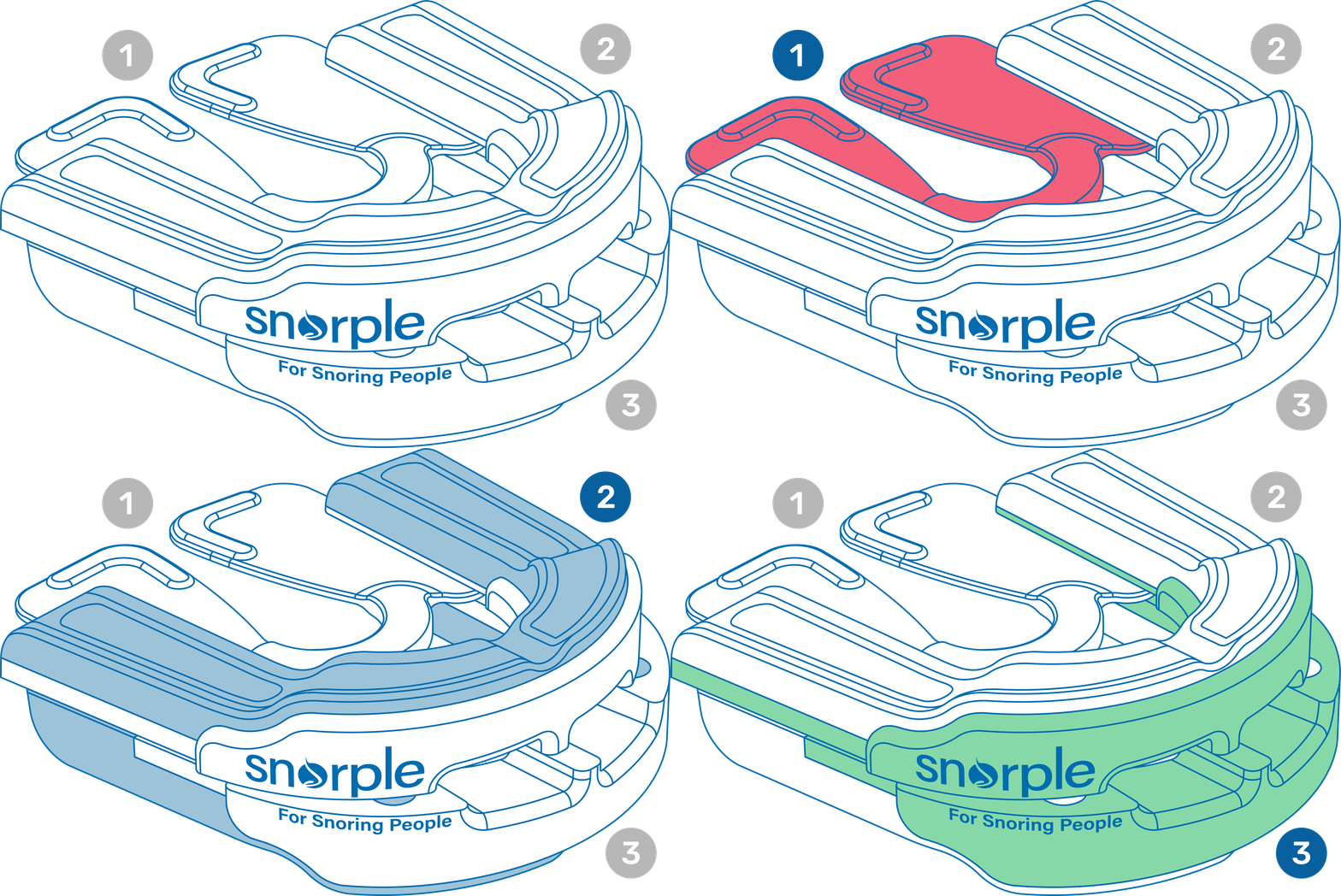
The Connection Between Snoring, Deviated Septums, and Weight Gain
Furthermore, poor sleep quality can also lead to an increase in the hunger hormone ghrelin and a decrease in the satiety hormone leptin. This imbalance can lead to overeating and weight gain. Snoring can also cause a decrease in the production of growth hormones, which are essential for maintaining a healthy weight and building muscle mass.
So, what can be done to address these issues? The first step is to consult a doctor if you or your partner snore regularly. They can diagnose a deviated septum and recommend the appropriate treatment, which may include nasal sprays, decongestants, or surgery to correct the deviation.
In addition, making lifestyle changes such as maintaining a healthy diet and regular exercise can help in managing weight gain associated with snoring and a deviated septum. Avoiding or reducing the consumption of sugary and high-calorie foods can also help in controlling weight gain caused by mouth breathing.
It is also important to address any underlying sleep disorders such as sleep apnea. Treatment for sleep apnea may involve using a continuous positive airway pressure (CPAP) machine, oral devices, or surgery. By addressing the root causes of snoring and poor sleep quality, weight gain can be managed and prevented.
In conclusion, snoring, deviated septums, and weight gain are closely interconnected. A deviated septum can lead to snoring, which in turn can cause poor sleep quality and weight gain. On the other hand, snoring can also be a symptom of underlying health issues such as sleep apnea, which can contribute to weight gain. It is important to address these issues and make necessary lifestyle changes to maintain a healthy weight and improve overall health.
In summary, snoring, deviated septums, and weight gain are all interrelated. A deviated septum can lead to snoring, which can cause poor sleep quality and weight gain. On the other hand, snoring can also be a symptom of underlying health issues such as sleep apnea, which can contribute to weight gain. By addressing these issues and making lifestyle changes, weight gain can be managed and prevented.