
Blog Post Title: Mouthpiece for Snoring and Deviated Septum: Pros and Cons
Snoring can be a major nuisance for both the snorer and their bed partner. It can lead to poor sleep quality, fatigue, and even strain relationships. While there are various solutions available in the market, one popular option is the mouthpiece. In addition to helping with snoring, mouthpieces can also be beneficial for those with a deviated septum. However, like any other treatment, there are pros and cons to using a mouthpiece for snoring and deviated septum. In this blog post, we will explore the benefits and drawbacks of using a mouthpiece for these conditions.
What is a Mouthpiece for Snoring and Deviated Septum?
A mouthpiece, also known as an oral appliance, is a device that is worn in the mouth while sleeping. It is designed to keep the airway open and prevent the tongue and soft tissues from collapsing, which can cause snoring. Mouthpieces come in various forms, including mandibular advancement devices (MADs) and tongue retaining devices (TRDs). They are custom-made to fit the individual’s mouth and can be obtained from a dentist or purchased over-the-counter.
Pros of Using a Mouthpiece for Snoring and Deviated Septum
1. Effectiveness: One of the main benefits of using a mouthpiece for snoring and deviated septum is its effectiveness. Studies have shown that mouthpieces can significantly reduce snoring and improve sleep quality for both snorers and their bed partners. In addition, they can also alleviate symptoms of a deviated septum, such as congestion and difficulty breathing.
2. Non-invasive: Mouthpieces are a non-invasive treatment option, meaning they do not require any surgery or medication. This makes them a safe and convenient choice for those who do not want to undergo invasive procedures. It also eliminates the risk of side effects that may come with medications.
3. Customizable: As mentioned, mouthpieces are custom-made to fit an individual’s mouth. This means that they are comfortable to wear and do not cause any pain or discomfort. They can also be adjusted to fit the individual’s needs, making them a personalized solution for snoring and deviated septum.
4. Portable: Mouthpieces are small and easy to carry, making them a great option for those who travel frequently. They do not require any special care or equipment, unlike other treatments like CPAP machines. This makes them a convenient choice for people who are always on the go.
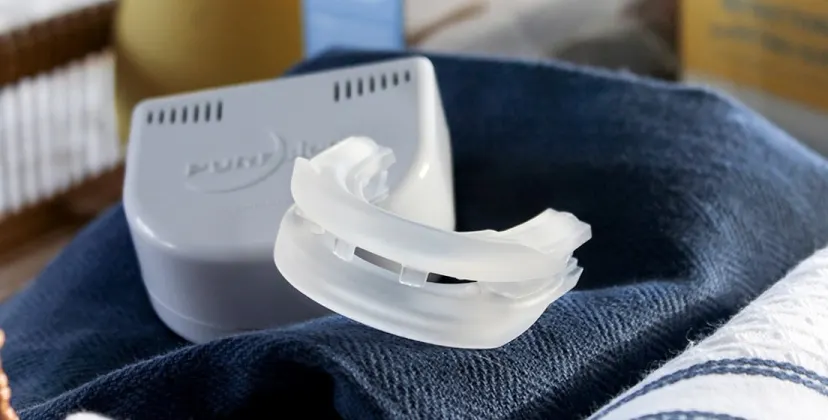
Mouthpiece for Snoring and Deviated Septum: Pros and Cons
5. Cost-effective: Compared to other snoring treatments, mouthpieces are relatively affordable. While the cost may vary depending on the type and where it is obtained, they are generally more cost-effective than surgery or CPAP machines. In addition, they last for a long time, making them a good investment in the long run.
Cons of Using a Mouthpiece for Snoring and Deviated Septum
1. Initial discomfort: It can take some time to get used to wearing a mouthpiece. In the beginning, it may feel uncomfortable, and some people may experience soreness in their jaw or teeth. However, this usually goes away after a few days or weeks of regular use.
2. Potential side effects: While mouthpieces are generally safe to use, there is a possibility of experiencing side effects such as excessive salivation, dry mouth, and jaw discomfort. These side effects are usually temporary and can be managed by adjusting the fit of the mouthpiece.
3. Not suitable for everyone: Mouthpieces may not be suitable for everyone, especially those with severe sleep apnea or other underlying medical conditions. It is important to consult with a doctor or dentist before using a mouthpiece to ensure that it is the right treatment for your specific condition.
4. Maintenance: Mouthpieces require regular cleaning and maintenance to prevent the buildup of bacteria and plaque. This can be time-consuming and may require purchasing special cleaning solutions or brushes.
5. Effectiveness may vary: While mouthpieces have been proven to be effective in reducing snoring and alleviating symptoms of a deviated septum, their effectiveness may vary from person to person. Some individuals may see significant improvement, while others may not experience much change.
Summary:
Mouthpieces are a popular treatment option for snoring and deviated septum. They are effective, non-invasive, customizable, portable, and cost-effective. However, they may cause initial discomfort, potential side effects, and may not be suitable for everyone. Maintenance and effectiveness may also vary. It is essential to consult with a doctor or dentist before using a mouthpiece and to regularly clean and maintain it for optimal results.