
Have you ever woken up feeling tired and groggy, even after a full night’s rest? If so, you may be one of the many people who struggle with snoring and a deviated septum. These two conditions can greatly impact your breathing and sleep quality, leading to a host of other health issues. In this blog post, we will discuss some tips and techniques for better breathing with snoring and a deviated septum.
First, let’s understand what snoring and a deviated septum are and how they affect breathing. Snoring is a common sleep disorder where the airway becomes partially blocked, causing vibrations and noise during breathing. This can be caused by various factors such as obesity, alcohol consumption, and nasal congestion. On the other hand, a deviated septum occurs when the thin wall between your nostrils is crooked or off-center, making it difficult to breathe through one or both nostrils. This can be a result of genetics, injury, or previous nasal surgeries.
Now, let’s dive into some tips for better breathing with snoring and a deviated septum:
1. Keep a healthy weight
Obesity is one of the leading causes of snoring and a deviated septum. When we gain weight, the fat deposits around our neck can put pressure on our airway, making it difficult for air to pass through. This can lead to snoring and interrupted breathing during sleep. Maintaining a healthy weight through a balanced diet and regular exercise can help reduce the symptoms of snoring and a deviated septum.
2. Use nasal strips or saline spray
Nasal congestion is a common symptom of both snoring and a deviated septum. To help alleviate this, you can try using nasal strips or a saline spray before going to bed. Nasal strips work by opening up the nasal passages, allowing for better airflow. Saline spray, on the other hand, can help clear out any mucus or congestion in your nose, making it easier to breathe.
3. Elevate your head while sleeping
Lying flat on your back can worsen snoring and a deviated septum as it puts pressure on your airway. To avoid this, try elevating your head while sleeping. You can do this by using a pillow or a wedge under your head. This will help open up your airway and reduce snoring and breathing difficulties.
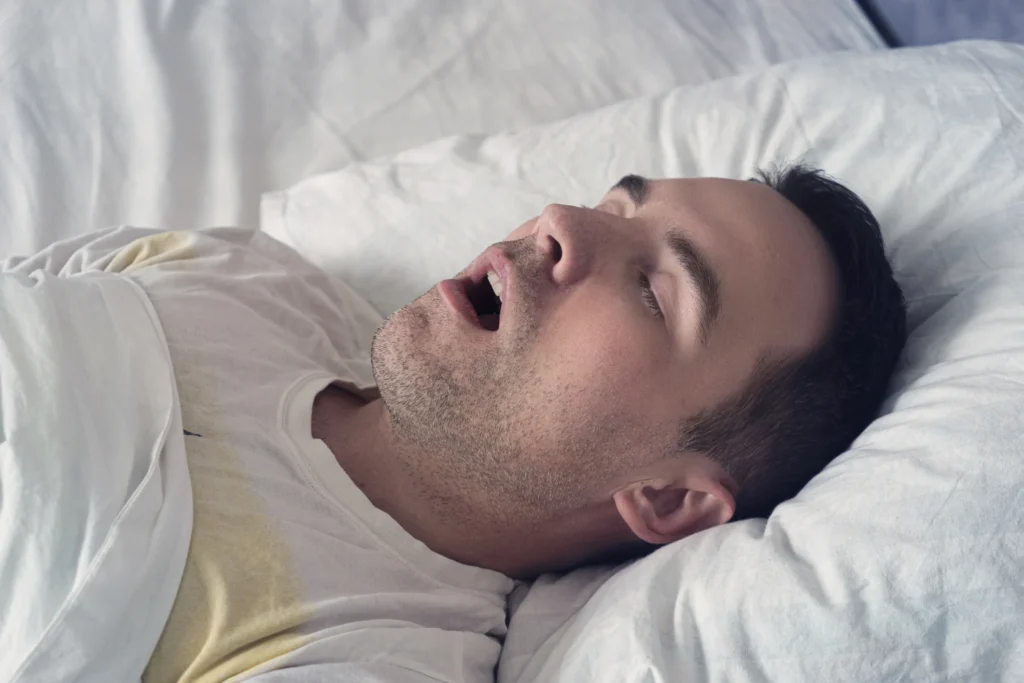
Tips for Better Breathing with Snoring and Deviated Septum
4. Use a humidifier
Dry air can irritate your nasal passages, making it difficult to breathe. A humidifier can add moisture to the air and help ease congestion and snoring. It is especially helpful during the winter months when the air tends to be drier. Make sure to clean your humidifier regularly to avoid any build-up of bacteria or mold.
5. Practice breathing exercises
Breathing exercises can help strengthen the muscles in your nasal passage and improve your breathing. One simple exercise is to inhale deeply through your nose and exhale slowly through your mouth. You can also try alternate nostril breathing, where you close one nostril with your finger and inhale through the other, then switch and exhale through the other nostril.
6. Consider surgical options
If snoring and a deviated septum are severely impacting your quality of life, you may want to consider surgical options. For snoring, there are procedures such as Uvulopalatopharyngoplasty (UPPP) or Laser-assisted Uvulopalatoplasty (LAUP) that can help widen the airway and reduce snoring. For a deviated septum, septoplasty is a common surgery that can straighten the nasal septum and improve breathing.
7. Consult with a doctor
If your snoring and deviated septum are causing serious health problems, it is important to consult with a doctor. They can provide a correct diagnosis and recommend the best treatment options for your specific case. They may also be able to identify other underlying health issues that may be contributing to your breathing difficulties.
In summary, snoring and a deviated septum can greatly impact your breathing and sleep quality. By maintaining a healthy weight, using nasal strips or saline spray, elevating your head while sleeping, using a humidifier, practicing breathing exercises, considering surgical options, and consulting with a doctor, you can improve your breathing and potentially reduce the symptoms of snoring and a deviated septum.