
Blog Post: Surprising Causes of Snoring and Deviated Septum
Snoring is a common issue that affects millions of people worldwide. While many may think that snoring is just a harmless annoyance, it can actually have serious consequences on one’s health and relationships. Most people associate snoring with being overweight or having a small airway, but there are actually some surprising causes of snoring that many may not be aware of. One such cause is a deviated septum, a condition that can lead to chronic snoring and other health problems.
In this blog post, we will delve into the surprising causes of snoring and how a deviated septum can play a major role in this issue.
What is a Deviated Septum?
Before we dive into the connection between snoring and a deviated septum, let’s first understand what a deviated septum is. The septum is the wall of cartilage and bone that separates the two nostrils. In a normal septum, this wall is perfectly straight, allowing for equal airflow through both nostrils. However, in some cases, the septum may be crooked or deviated, which can obstruct the airflow and cause breathing difficulties.
What Causes a Deviated Septum?
There are a few different reasons why someone may have a deviated septum. Some people are born with it, while others may develop it due to an injury or trauma to the nose. Common causes of a deviated septum include:
1. Genetics: Some people may have a deviated septum due to genetic factors. If a family member has a deviated septum, there is a higher chance of other family members also having it.
2. Birth defects: In rare cases, a deviated septum can be present at birth due to a developmental abnormality in the nasal septum.
3. Trauma or injury: A broken nose or other trauma to the nose can cause the septum to become crooked, leading to a deviated septum.
4. Aging: As we age, the nasal tissues can weaken and cause the septum to shift, leading to a deviated septum.
How Does a Deviated Septum Cause Snoring?
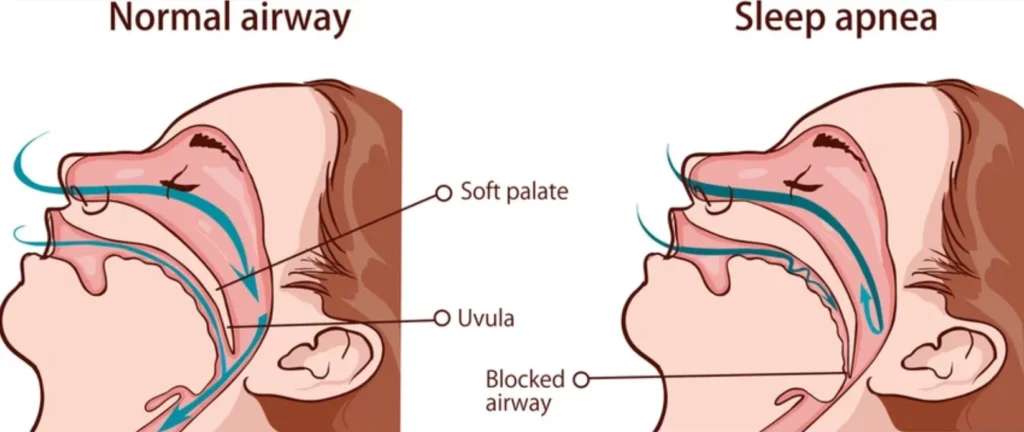
When the septum is deviated, it can obstruct the airflow through the nostrils, making it difficult to breathe through the nose. This can lead to snoring as the individual may have to breathe through their mouth while sleeping. Breathing through the mouth can cause the tissues in the throat to vibrate, resulting in the loud and disruptive sounds of snoring.
In addition to snoring, a deviated septum can also cause other health issues such as:
Surprising Causes of Snoring and Deviated Septum
1. Sleep apnea: A deviated septum can contribute to sleep apnea, a serious sleep disorder where the individual experiences pauses in breathing during sleep.
2. Chronic sinus infections: A deviated septum can make it difficult for the sinuses to drain properly, leading to chronic sinus infections.
3. Headaches: The obstruction of airflow through the nose can cause headaches, especially in the morning.
4. Difficulty breathing: A deviated septum can make it challenging to breathe through the nose, which can lead to difficulty exercising and other physical activities.
Treatment Options for a Deviated Septum
If a deviated septum is causing snoring and other health issues, there are several treatment options available. These include:
1. Nasal decongestants: Over-the-counter nasal decongestants can help reduce the swelling in the nasal tissues and improve breathing.
2. Surgery: In severe cases, surgery may be necessary to correct a deviated septum. A procedure called septoplasty can straighten the septum, allowing for better airflow through the nose.
3. Continuous Positive Airway Pressure (CPAP) therapy: This is a common treatment for sleep apnea, where a machine delivers a continuous flow of air through a mask to keep the airway open during sleep.
4. Nasal strips: These adhesive strips are placed on the bridge of the nose and can help open up the nasal passages, making it easier to breathe.
5. Lifestyle changes: Making certain lifestyle changes such as losing weight, quitting smoking, and avoiding alcohol before bedtime can also help reduce snoring caused by a deviated septum.
In conclusion, a deviated septum is a common but often overlooked cause of snoring. If you or a loved one suffers from chronic snoring, it is essential to consult a doctor to determine the underlying cause. By addressing a deviated septum, not only can snoring be reduced, but it can also prevent other health issues and improve overall quality of life.
Summary:
Snoring is a common issue that can have serious consequences on one’s health and relationships. While many may think that snoring is caused by being overweight or having a small airway, there are actually some surprising causes of snoring that many may not be aware of. One such cause is a deviated septum, a condition where the nasal septum is crooked, obstructing the airflow through the nose. This can lead to snoring, sleep apnea, sinus infections, headaches, and difficulty breathing. Treatment options for a deviated septum include nasal decongestants, surgery, CPAP therapy, nasal strips, and lifestyle changes. It is essential to consult a doctor if chronic snoring is present to determine the underlying cause and address any potential health issues.