
Hypoallergenic Snoring Mouthpieces: A Must-Have for Those with Allergies
Snoring is a common problem that affects millions of people worldwide. While it may seem like a harmless habit, snoring can actually have serious consequences on one’s health and well-being. It can disrupt sleep patterns, cause fatigue and irritability, and even lead to more serious health issues such as sleep apnea. For those with allergies, snoring can be an even bigger problem as it can aggravate their symptoms and make it difficult to breathe while sleeping. Fortunately, there is a solution that can help alleviate snoring and its effects on those with allergies – hypoallergenic snoring mouthpieces.
What are Hypoallergenic Snoring Mouthpieces?
Hypoallergenic snoring mouthpieces, also known as anti-snoring mouthpieces, are devices designed to help reduce or eliminate snoring. They are typically made of BPA-free, medical-grade materials that are safe for those with allergies. These mouthpieces work by keeping the airway open and preventing the tongue and soft tissues in the throat from collapsing and causing snoring.
How Do They Help Those with Allergies?
For people with allergies, snoring can be a major issue as it can worsen their symptoms and make it difficult to get a good night’s rest. Snoring is caused by the narrowing of the airway, which can be triggered by allergies. When the airway is blocked, the body compensates by breathing through the mouth, which can lead to snoring. By using a hypoallergenic snoring mouthpiece, the airway is kept open, allowing for proper breathing through the nose and reducing snoring.
In addition, hypoallergenic snoring mouthpieces are designed to be comfortable and non-irritating for those with allergies. They are made with materials that are less likely to cause an allergic reaction, such as silicone or latex-free materials. This is important as some people may experience an allergic reaction to the materials used in traditional snoring mouthpieces.
Benefits of Using Hypoallergenic Snoring Mouthpieces
Apart from reducing snoring and helping those with allergies breathe easier, there are other benefits of using hypoallergenic snoring mouthpieces. These include:
1. Improved Sleep Quality: Snoring can disrupt sleep patterns and lead to poor sleep quality. By reducing snoring, hypoallergenic snoring mouthpieces can help improve sleep quality and lead to more restful nights.
2. Increased Energy: With better sleep, one can wake up feeling more refreshed and energized. This can have a positive impact on one’s productivity and overall well-being.
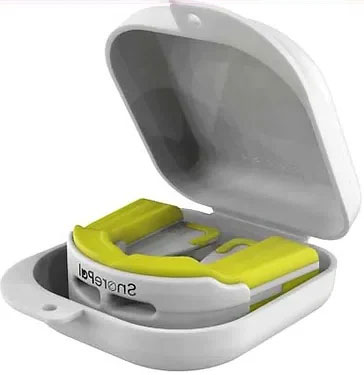
Hypoallergenic Snoring Mouthpieces: A Must-Have for Those with Allergies
3. Reduced Risk of Health Issues: Snoring has been linked to various health issues such as high blood pressure, heart disease, and stroke. By reducing snoring, hypoallergenic snoring mouthpieces can help reduce the risk of these health problems.
4. Cost-Effective: Hypoallergenic snoring mouthpieces are a more affordable alternative to other snoring solutions such as surgery or continuous positive airway pressure (CPAP) machines. They are also reusable, making them a cost-effective option in the long run.
5. Easy to Use: Unlike other snoring remedies, hypoallergenic snoring mouthpieces are easy to use and do not require any special skills or training. Simply insert the device into the mouth before going to bed, and it will do its job.
Choosing the Right Hypoallergenic Snoring Mouthpiece
With so many options available in the market, it can be overwhelming to choose the right hypoallergenic snoring mouthpiece. Here are some factors to consider when making your selection:
1. Comfort: It is important to choose a mouthpiece that is comfortable to wear. Look for devices that are adjustable and have a customizable fit.
2. Material: As mentioned earlier, hypoallergenic snoring mouthpieces are made with different materials. Make sure to choose one that is safe for those with allergies.
3. Effectiveness: Some mouthpieces may be more effective than others, so it is important to read reviews and do some research before making a purchase.
4. Price: While hypoallergenic snoring mouthpieces are generally more affordable than other snoring solutions, prices can vary. Compare different options and choose one that fits your budget.
5. Consult with a Doctor: If you have any underlying health conditions or are unsure about which mouthpiece to choose, consult with a doctor for recommendations.
In summary, snoring can be a major issue for those with allergies, but hypoallergenic snoring mouthpieces can offer relief. By keeping the airway open and reducing snoring, these devices can help improve sleep quality, increase energy levels, and reduce the risk of health issues. When choosing a hypoallergenic snoring mouthpiece, consider factors such as comfort, material, effectiveness, price, and consult with a doctor if needed.