
Blog Post:
Snoring and nasal congestion are common issues that can disrupt sleep and cause discomfort for both the snorer and their sleeping partner. While there are various methods available to manage these problems, one approach that is often overlooked is combining a mouthpiece with other methods. In this blog post, we will explore the benefits of pairing a mouthpiece with other techniques to effectively manage snoring and nasal congestion.
The Mouthpiece Solution
Mouthpieces, also known as oral appliances, have become increasingly popular as a non-invasive way to treat snoring and sleep apnea. These devices work by repositioning the jaw and tongue to keep the airway open, preventing snoring and allowing for better airflow. They are typically custom-made by a dentist or purchased over-the-counter and can be worn comfortably throughout the night.
While mouthpieces have proven to be effective for many people, they may not be a standalone solution for everyone. This is where combining a mouthpiece with other methods can provide even better results.
Nasal Congestion and Its Impact on Snoring
Nasal congestion, or a stuffy nose, is a common culprit of snoring. When the nasal passages are blocked, it forces the individual to breathe through their mouth, which can lead to snoring. This is because breathing through the mouth creates a vacuum in the throat, causing the tissues to vibrate and produce the familiar snoring sound.
Managing nasal congestion is crucial in addressing snoring. Fortunately, there are several methods available to alleviate congestion, such as nasal decongestants, nasal strips, and nasal irrigation. These methods work by clearing the nasal passages, allowing for better breathing through the nose and reducing the likelihood of snoring.
Combining a Mouthpiece with Nasal Decongestants
Nasal decongestants, whether in pill or spray form, can provide temporary relief from nasal congestion. By shrinking the swollen blood vessels in the nasal passages, these medications can help improve breathing through the nose and reduce snoring.
When paired with a mouthpiece, the effects can be even more significant. The mouthpiece helps to keep the airway open, while the decongestant reduces the inflammation in the nasal passages, resulting in improved airflow and reduced snoring. It is essential to consult with a doctor before using nasal decongestants, as they can have side effects and may not be suitable for everyone.
Nasal Strips and Mouthpieces
Another method to clear nasal congestion is by using nasal strips. These adhesive strips are placed on the bridge of the nose and work by lifting the nostrils, helping to open the nasal passages. They are a popular option for those with allergies or a deviated septum, which can cause chronic nasal congestion.
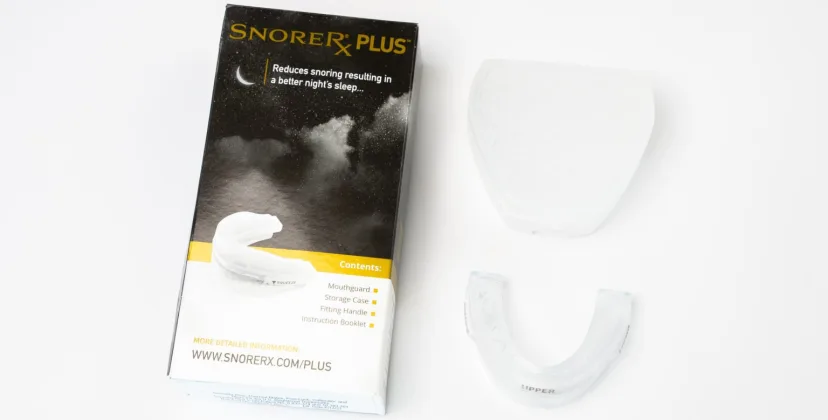
The Perfect Pair: Combining a Mouthpiece with Other Methods to Manage Snoring and Nasal Congestion
When used in conjunction with a mouthpiece, nasal strips can provide added support in keeping the nasal passages open. The mouthpiece focuses on the throat, while the nasal strip targets the nose, creating a comprehensive approach to managing snoring and congestion.
Nasal Irrigation and Mouthpieces
Nasal irrigation, also known as nasal flushing, involves rinsing the nasal passages with a saline solution. This method helps to clear mucus, allergens, and irritants from the nasal passages, providing relief from congestion and allowing for easier breathing. Nasal irrigation can be done with a neti pot or a nasal irrigation bottle.
When combined with a mouthpiece, nasal irrigation can be highly effective in managing snoring and nasal congestion. The mouthpiece keeps the airway open, while the saline solution clears the nasal passages, resulting in improved breathing and reduced snoring.
Other Methods to Consider
Aside from nasal decongestants, nasal strips, and nasal irrigation, there are other methods that can be paired with a mouthpiece to manage snoring and nasal congestion. These include:
1. Sleeping Position: Sleeping on your back can worsen snoring, as it causes the tongue to fall back and block the airway. Sleeping on your side or stomach can help reduce snoring and improve breathing.
2. Weight Management: Being overweight can contribute to snoring and sleep apnea. By maintaining a healthy weight, individuals can reduce the pressure on the airway and improve their overall sleep health.
3. Allergen Control: Allergens such as dust, pollen, and pet dander can irritate the nasal passages and contribute to congestion. By minimizing exposure to these allergens, individuals can reduce their chances of snoring and improve breathing.
In summary, combining a mouthpiece with other methods can be a highly effective approach to managing snoring and nasal congestion. By addressing both the throat and nasal passages, individuals can experience improved breathing and better sleep quality. It is essential to consult with a healthcare professional before trying any new methods and to ensure that the mouthpiece and other techniques are used correctly for maximum effectiveness.
SEO Metadata: