
Blog Post Title: Solving the Snoring and Sleepwalking Puzzle: 50 Pieces of Advice
Summary:
Snoring and sleepwalking are two common sleep disorders that can disrupt our quality of sleep and affect our overall health. While these issues may seem like simple nuisances, they can actually be symptoms of underlying health problems that require attention. In this blog post, we will explore 50 pieces of advice on how to solve the snoring and sleepwalking puzzle.
1. Understand the Causes: The first step in solving any puzzle is to understand the cause. Snoring can be caused by various factors such as nasal congestion, sleep apnea, or obesity. Sleepwalking, on the other hand, can be triggered by stress, sleep deprivation, or certain medications.
2. Keep a Sleep Diary: Keeping track of your sleep patterns and habits can help identify any patterns or triggers that may be contributing to your snoring or sleepwalking.
3. Consult a Doctor: If you are experiencing frequent snoring or sleepwalking, it is important to consult a doctor to rule out any underlying health issues.
4. Lose Weight: For those who are overweight, shedding a few pounds can help reduce snoring as excess fat around the neck can put pressure on the airway.
5. Exercise Regularly: Regular exercise can improve overall health and also help with weight loss, which can in turn reduce snoring.
6. Avoid Alcohol and Sedatives: Consuming alcohol or taking sedatives before bed can relax the muscles in the throat, leading to snoring and sleepwalking.
7. Sleep on Your Side: Sleeping on your back can cause the tongue and soft palate to collapse, obstructing the airway and causing snoring. Sleeping on your side can help reduce this.
8. Elevate Your Head: Elevating your head while sleeping can help keep the airway open and reduce snoring.
9. Try Nasal Strips: Nasal strips can help open up the nasal passages, making it easier to breathe and reducing snoring.
10. Use a Humidifier: Dry air can irritate the throat and nasal passages, leading to snoring. Using a humidifier can add moisture to the air and reduce snoring.
11. Quit Smoking: Smoking can irritate the airway and cause inflammation, making it harder to breathe and increasing the likelihood of snoring.
12. Treat Allergies: Allergies can cause nasal congestion and inflammation, making it difficult to breathe and leading to snoring.
13. Practice Good Sleep Hygiene: Maintaining a regular sleep schedule and creating a comfortable sleep environment can improve the quality of your sleep and reduce snoring.
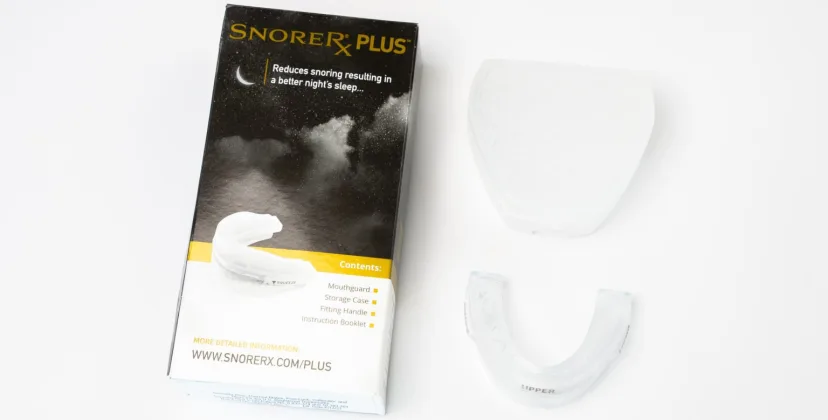
14. Try Oral Devices: Oral devices can help keep the airway open and prevent snoring.
15. Use a CPAP Machine: For those with sleep apnea, a CPAP (continuous positive airway pressure) machine can help keep the airway open while sleeping.
16. Avoid Heavy Meals Before Bed: Eating heavy meals before bed can make it harder to breathe and contribute to snoring.
17. Use Essential Oils: Certain essential oils, such as eucalyptus or peppermint, can help open up the airway and reduce snoring.
18. Try Acupuncture: Acupuncture can help improve overall health and reduce stress, which can contribute to snoring and sleepwalking.
19. Keep Your Bedroom Clean: Dust and allergens in the bedroom can trigger snoring and allergies. Keep your bedroom clean and dust-free to reduce these triggers.
20. Try White Noise: White noise machines or apps can help drown out any outside noises that may wake you up and trigger sleepwalking.
21. Limit Screen Time before Bed: The blue light from electronic devices can disrupt our sleep patterns, making it harder to fall asleep and increasing the likelihood of sleepwalking.
22. Practice Relaxation Techniques: Stress and anxiety can contribute to sleepwalking. Practicing relaxation techniques such as deep breathing or meditation can help reduce stress levels and improve sleep.
23. Keep a Regular Sleep Schedule: Going to bed and waking up at the same time every day can help regulate your sleep-wake cycle and reduce the likelihood of sleepwalking.
24. Wear Comfortable Sleepwear: Tight or uncomfortable clothing can disrupt our sleep and contribute to sleepwalking. Opt for loose and comfortable sleepwear instead.
Solving the Snoring and Sleepwalking Puzzle: 50 Pieces of Advice
25. Create a Safe Sleep Environment: For those who sleepwalk, it is important to create a safe sleep environment to prevent any accidents or injuries.
26. Remove Hazards from the Bedroom: Make sure there are no sharp objects or obstacles in the bedroom that could potentially cause harm during a sleepwalking episode.
27. Install Nightlights: Nightlights can help guide sleepwalkers safely back to bed if they do end up leaving the bedroom.
28. Keep Medications Out of Reach: If you take any medication that may cause sleepwalking, make sure to keep them out of reach to prevent accidental overdoses.
29. Talk to Your Partner: If you share a bed with a snorer or sleepwalker, make sure to communicate openly and come up with solutions together.
30. Use a Mouthguard: Mouthguards can help prevent involuntary teeth grinding, which can cause sleepwalking.
31. Try Cognitive Behavioral Therapy: Cognitive Behavioral Therapy (CBT) can help identify and address any underlying psychological factors that may contribute to sleepwalking.
32. Get Enough Sleep: Sleep deprivation can increase the likelihood of sleepwalking. Make sure to get enough sleep every night.
33. Avoid Caffeine and Heavy Meals Before Bed: Caffeine and heavy meals can disrupt our sleep and increase the likelihood of sleepwalking.
34. Use a Sleepwalking Alarm: There are special alarms available that can be placed on the bed or door to alert caregivers if a sleepwalker gets out of bed.
35. Avoid Stressful Situations: Stress can trigger sleepwalking episodes. Avoid any stressful situations before bedtime.
36. Keep a Safe Sleepwalking Journal: Keeping a journal of your sleepwalking episodes can help identify triggers and patterns.
37. Talk to a Therapist: If stress or anxiety is a contributing factor to your sleepwalking, consider talking to a therapist or counselor to address these issues.
38. Practice Good Sleep Hygiene: Just as with snoring, maintaining good sleep hygiene can improve the quality of your sleep and reduce sleepwalking.
39. Take a Warm Bath: Taking a warm bath before bed can help relax the body and promote a better night’s sleep.
40. Try Progressive Muscle Relaxation: This technique involves tensing and relaxing different muscle groups to promote relaxation and better sleep.
41. Use a Night Guard: For those who grind their teeth while sleeping, a night guard can help prevent this and reduce the risk of sleepwalking.
42. Monitor Your Sleepwalking: If you have a history of sleepwalking, consider using a sleep tracker to monitor your sleep patterns and any potential sleepwalking episodes.
43. Avoid Alcohol and Sedatives: As with snoring, consuming alcohol or sedatives before bed can relax the muscles and contribute to sleepwalking.
44. Consider Medications: In some cases, a doctor may prescribe medication to help with sleepwalking, particularly if it is caused by an underlying medical condition.
45. Use a Sleepwalking Bracelet: There are bracelets available that can be worn while sleeping and detect any unusual movements, triggering a loud alarm to wake the sleeper up.
46. Create a Relaxing Bedtime Routine: A relaxing bedtime routine can help signal to the body that it is time to sleep, promoting a better night’s rest.
47. Avoid Stimulating Activities before Bed: Activities such as watching TV or using electronic devices can stimulate the brain and make it harder to fall asleep.
48. Keep a Regular Exercise Routine: Regular exercise can help reduce stress and improve sleep quality, reducing the likelihood of sleepwalking.
49. Talk to Your Doctor about Medications: If you are taking any medications that may contribute to sleepwalking, talk to your doctor about potential alternatives.
50. Seek Professional Help: If you or a loved one are experiencing severe or frequent sleepwalking episodes, it is important to seek professional help to address the underlying issues causing it.
In conclusion, snoring and sleepwalking can be complex puzzles to solve, but with the right approach and advice, it is possible to improve these sleep disorders and get a better night’s rest. By understanding the causes, practicing good sleep hygiene, and seeking professional help when needed, we can overcome these challenges and achieve restful sleep.