
Snoring and sleepwalking are common issues that affect many children, and they can be a cause of concern for parents. These nighttime behaviors can disrupt a child’s sleep and affect their overall health and well-being. Fortunately, there are ways to address snoring and sleepwalking in children. In this blog post, we will discuss some effective strategies that parents can use to help their children overcome these problems and get a good night’s rest.
1. Identify the Underlying Cause
The first step in addressing snoring and sleepwalking in children is to identify the underlying cause. Snoring can be caused by a variety of factors, such as allergies, enlarged tonsils, or a deviated septum. Sleepwalking, on the other hand, can be a result of stress, anxiety, or a sleep disorder. It is essential to consult a pediatrician to determine the root cause of these behaviors and develop a treatment plan.
2. Create a Comfortable Sleeping Environment
A comfortable sleeping environment is crucial for children who snore or sleepwalk. Make sure the room is dark, quiet, and cool, as these conditions can promote better sleep. Consider using a white noise machine to drown out any outside noises that may disrupt your child’s sleep. Additionally, ensure that your child’s bed and pillows are comfortable and supportive to encourage a good night’s rest.
3. Establish a Consistent Bedtime Routine
A consistent bedtime routine can help children with snoring and sleepwalking. Set a specific time for your child to go to bed every night and stick to it. This routine can include activities like reading a bedtime story, taking a warm bath, or listening to soothing music. A consistent bedtime routine can help your child relax and fall asleep more easily.
4. Encourage Healthy Habits
Encouraging healthy habits can also help address snoring and sleepwalking in children. Make sure your child gets enough physical activity during the day, as exercise can promote better sleep at night. Avoid giving your child heavy meals close to bedtime, as this can contribute to snoring. Additionally, limit your child’s screen time before bed, as the blue light emitted from electronic devices can disrupt their sleep.
5. Consider Alternative Therapies
In some cases, alternative therapies can be effective in treating snoring and sleepwalking in children. Acupuncture, aromatherapy, and herbal supplements have been shown to improve sleep quality and reduce snoring in children. However, it is essential to consult a healthcare professional before trying any alternative therapies to ensure they are safe and suitable for your child.
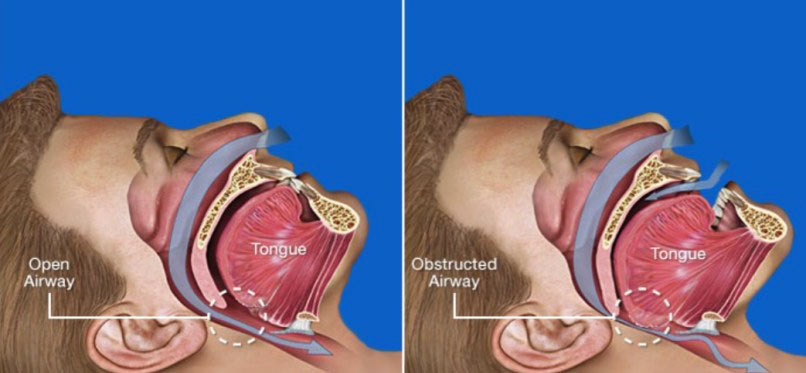
Ways to Address Snoring and Sleepwalking in Children
6. Treat Underlying Medical Conditions
If the underlying cause of snoring or sleepwalking is a medical condition, it is crucial to address it to alleviate these behaviors. For example, if your child has allergies, treating them with medication or allergy shots can help reduce snoring. If your child has obstructive sleep apnea, a CPAP machine can be used to keep their airways open during sleep. It is essential to follow the treatment plan recommended by your child’s doctor to manage their condition effectively.
7. Use Positive Reinforcement
Positive reinforcement can be an effective way to address snoring and sleepwalking in children. Praise your child for their effort in trying to improve their sleep habits, and reward them for their progress. This positive reinforcement can motivate your child to continue their efforts and can make the process more enjoyable for them.
8. Consider Cognitive Behavioral Therapy
Cognitive-behavioral therapy (CBT) has been shown to be effective in treating sleepwalking in children. This therapy can help children recognize and change their thoughts and behaviors that may contribute to sleepwalking. It can also help reduce stress and anxiety, which can be underlying causes of sleepwalking.
9. Use Safety Precautions
For children who sleepwalk, it is essential to take safety precautions to prevent any accidents. Make sure your child’s room is free of any tripping hazards, such as toys or clutter. Install safety gates on stairs to prevent your child from falling. You can also put a bell on your child’s bedroom door to alert you if they try to leave their room during the night.
In conclusion, snoring and sleepwalking can be challenging issues for parents to deal with, but there are ways to address them effectively. By identifying the underlying cause, creating a comfortable sleeping environment, establishing a consistent bedtime routine, and encouraging healthy habits, you can help your child get a good night’s rest. Additionally, considering alternative therapies, treating underlying medical conditions, using positive reinforcement, and taking safety precautions can also aid in managing these behaviors. Remember to consult a healthcare professional for guidance and support in addressing snoring and sleepwalking in children.
Summary: Snoring and sleepwalking are common problems that can affect children’s sleep and overall health. To address these behaviors, it is essential to identify the underlying cause and create a comfortable sleeping environment. A consistent bedtime routine, healthy habits, alternative therapies, treating underlying medical conditions, positive reinforcement, and safety precautions can also be effective in managing snoring and sleepwalking in children.