
Blog Post:
Do you suffer from allergies and find yourself snoring or sleepwalking? You are not alone. Recent studies have shown a strong connection between allergies and these sleep-related issues. Allergies can cause congestion, inflammation, and other symptoms that can disrupt our breathing and sleep patterns. In this blog post, we will explore the connection between allergies and snoring/sleepwalking, and provide 50 tips for relief.
The Connection Between Allergies and Snoring:
It is estimated that around 20 million Americans suffer from chronic snoring, with allergies being one of the leading causes. Allergies can cause nasal congestion, making it difficult to breathe through the nose. As a result, many people are forced to breathe through their mouths, leading to snoring. In addition, allergies can cause inflammation and irritation in the throat and airways, further contributing to snoring.
Sleepwalking is another common sleep-related issue that has been linked to allergies. Allergies can cause disruptions in the sleep cycle, leading to sleepwalking episodes. In some cases, allergies can cause restless sleep, leading to sleepwalking as the body tries to find a more comfortable position.
50 Tips for Relief:
1. Identify Your Allergies: The first step in managing allergies is to identify what you are allergic to. This can be done through allergy testing or by keeping a record of your symptoms and identifying patterns.
2. Avoid Triggers: Once you know what you are allergic to, try to avoid triggers as much as possible. This may include staying indoors during high pollen counts or avoiding certain foods that trigger allergies.
3. Keep Your Bedroom Clean: Dust and pet dander are common allergens that can cause snoring and sleepwalking. Keep your bedroom clean and dust-free to minimize exposure.
4. Use a Humidifier: Dry air can irritate the nasal passages, making allergies worse. Use a humidifier to add moisture to the air and ease congestion.
5. Try Nasal Strips: Nasal strips can help open up the nasal passages and improve airflow, reducing snoring.
6. Elevate Your Head: Elevating your head while sleeping can help alleviate congestion and reduce snoring.
7. Use Saline Nasal Sprays: Saline nasal sprays can help flush out allergens and ease congestion.
8. Use Allergy Medications: Over-the-counter or prescription allergy medications can help control symptoms and reduce snoring and sleepwalking.
9. Keep Pets Out of the Bedroom: If you have allergies to pet dander, it is best to keep your pets out of the bedroom to minimize exposure.
10. Wash Bedding Regularly: Dust mites can accumulate in bedding, triggering allergies. Wash your bedding regularly in hot water to eliminate dust mites.
11. Replace Old Mattresses and Pillows: Old mattresses and pillows can harbor dust mites and other allergens. Consider replacing them with hypoallergenic options.
12. Practice Good Sleep Hygiene: Maintaining a regular sleep schedule and creating a comfortable sleep environment can help improve sleep quality and reduce sleepwalking.
13. Stay Hydrated: Drinking plenty of water can help thin mucus and ease congestion.
14. Use Essential Oils: Some essential oils, such as eucalyptus and peppermint, can help open up the airways and ease congestion.
15. Avoid Alcohol and Sedatives: Alcohol and sedatives can relax the muscles in the throat and contribute to snoring.
16. Lose Weight: Excess weight can contribute to snoring by putting pressure on the airways. Losing weight can help reduce snoring.
17. Exercise Regularly: Regular physical activity can help improve overall health and reduce snoring.
18. Quit Smoking: Smoking can irritate the nasal passages and throat, worsening allergies and contributing to snoring.
19. Try Acupuncture: Acupuncture has been shown to be effective in reducing allergy symptoms and improving sleep quality.
20. Practice Breathing Exercises: Breathing exercises, such as deep breathing and nasal breathing, can help improve airflow and reduce snoring.
21. Use a Neti Pot: A neti pot can help flush out allergens and ease congestion.
22. Use a Steam Inhaler: A steam inhaler can help open up the nasal passages and ease congestion.
23. Try Allergy Shots: Allergy shots can help desensitize the body to allergens and reduce symptoms.
The Connection Between Allergies and Snoring/Sleepwalking: 50 Tips for Relief
24. Use a HEPA Filter: A HEPA filter can help remove allergens from the air and improve air quality.
25. Try Herbal Remedies: Certain herbs, such as butterbur and stinging nettle, have been shown to be effective in reducing allergy symptoms.
26. Eat a Healthy Diet: Consuming a diet rich in fruits, vegetables, and whole grains can help boost the immune system and reduce allergies.
27. Use Nasal Irrigation: Nasal irrigation can help flush out allergens and ease congestion.
28. Take Probiotics: Probiotics can help improve gut health and reduce allergy symptoms.
29. Try Homeopathic Remedies: Homeopathic remedies, such as honey and quercetin, have been shown to be effective in reducing allergy symptoms.
30. Use a CPAP Machine: If you have sleep apnea, using a CPAP machine can help improve breathing and reduce snoring.
31. Keep Windows Closed: Keeping windows closed can help prevent allergens from entering your home.
32. Use a Face Mask: If you are allergic to dust or pet dander, consider wearing a face mask while cleaning to avoid exposure.
33. Use Hypoallergenic Products: Use hypoallergenic products for cleaning, laundry, and personal care to minimize exposure to allergens.
34. Take a Shower Before Bed: Taking a shower before bed can help remove allergens from your skin and hair, reducing exposure while sleeping.
35. Try Allergy-Friendly Foods: Some foods, such as honey and spicy foods, have been shown to have anti-inflammatory properties and can help reduce allergy symptoms.
36. Avoid Stress: Stress can weaken the immune system and worsen allergy symptoms. Practice stress-reducing activities such as yoga or meditation.
37. Get Plenty of Rest: A lack of sleep can worsen allergy symptoms. Make sure to get enough rest to support your immune system.
38. Use a Nasal Dilator: A nasal dilator can help open up the nasal passages and improve airflow, reducing snoring.
39. Try Tongue Exercises: Tongue exercises can help strengthen the muscles in the throat and reduce snoring.
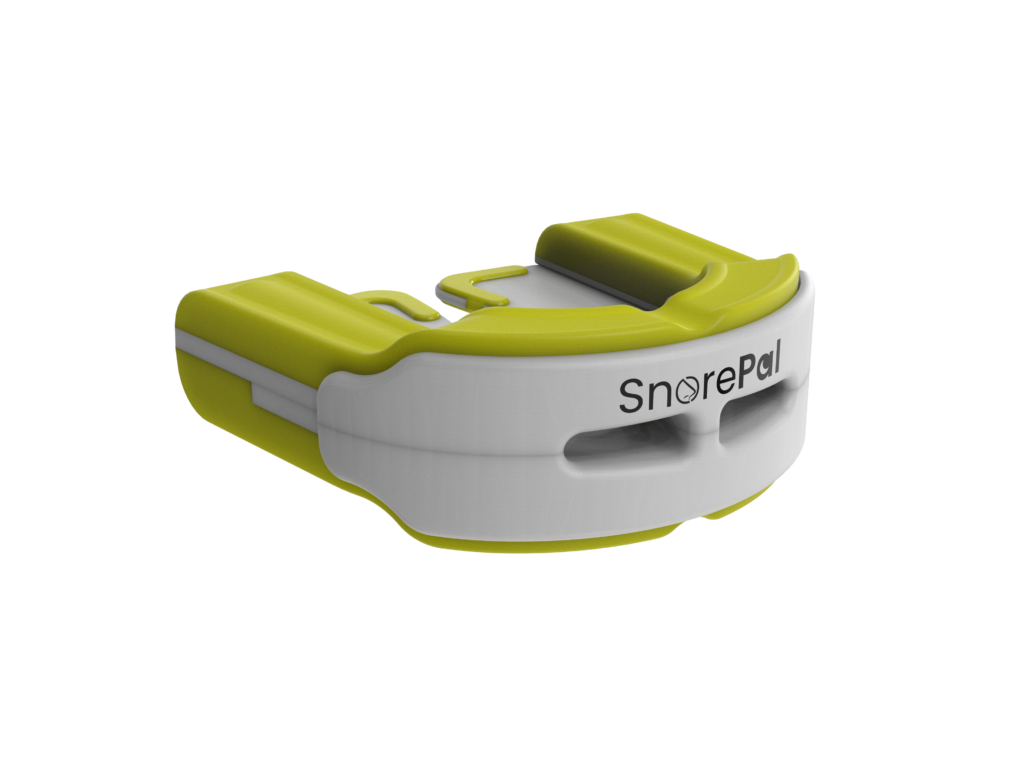
40. Use a Mouthguard: A mouthguard can help keep the tongue in a forward position, reducing snoring.
41. Keep Your Allergy Medications Handy: Make sure to keep your allergy medications within reach in case of an allergic reaction during the night.
42. Consult with an Allergist: If your allergies are severe, consult with an allergist for a personalized treatment plan.
43. Consider Immunotherapy: Immunotherapy, such as allergy shots or sublingual tablets, can help desensitize the body to allergens and reduce symptoms.
44. Keep a Symptom Diary: Keeping a record of your symptoms can help you identify triggers and track the effectiveness of treatments.
45. Use Nasal Filters: Nasal filters can help block allergens and improve breathing.
46. Avoid Eating Before Bed: Eating before bed can contribute to acid reflux, which can worsen snoring.
47. Try a Gluten-Free Diet: Some people with allergies may benefit from a gluten-free diet, as gluten can increase inflammation in the body.
48. Sleep on Your Side: Sleeping on your back can worsen snoring. Try sleeping on your side to improve airflow.
49. Consider Herbal Teas: Certain herbal teas, such as chamomile and ginger, can help reduce inflammation and improve sleep.
50. Consult with a Sleep Specialist: If your snoring or sleepwalking persists despite trying these tips, consult with a sleep specialist for a comprehensive evaluation and personalized treatment plan.
In conclusion, allergies can have a significant impact on our sleep and contribute to snoring and sleepwalking. By identifying and avoiding triggers and implementing these 50 tips, we can effectively manage allergies and improve our sleep quality.
Summary:
Allergies can cause congestion, inflammation, and other symptoms that can disrupt our breathing and sleep patterns, leading to snoring and sleepwalking. To manage allergies and reduce these sleep-related issues, we can identify our allergies, avoid triggers, keep our bedroom clean, use a humidifier, try nasal strips, and use allergy medications. Other tips include staying hydrated, elevating our head while sleeping, using essential oils, losing weight, and practicing good sleep hygiene. It is also essential to consult with an allergist or sleep specialist for a personalized treatment plan.