
Sleep apnea is a common sleep disorder that affects millions of people worldwide. It is characterized by pauses in breathing during sleep, which can lead to a variety of health issues. One of the most common symptoms of sleep apnea is snoring, which can not only be disruptive to a person’s sleep but also impact their overall health and well-being. In addition, sleep apnea has also been linked to sleepwalking, a parasomnia disorder that can have serious consequences. In this blog post, we will explore the impact of sleep apnea on snoring and sleepwalking, and provide 50 facts to help you better understand this condition.
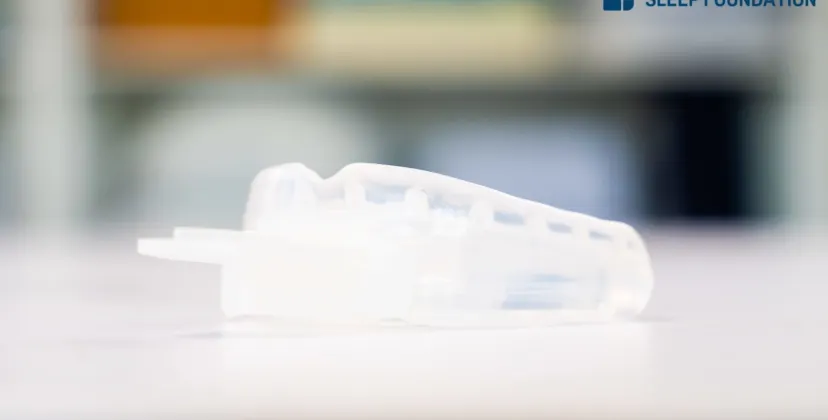
The Impact of Sleep Apnea on Snoring and Sleepwalking: 50 Facts
1. Sleep apnea is a serious disorder that affects approximately 22 million Americans, with 80% of cases going undiagnosed.
2. It is estimated that 1 in 5 adults have mild sleep apnea, while 1 in 15 have moderate to severe sleep apnea.
3. Men are more likely to develop sleep apnea than women, with a ratio of 2:1.
4. The most common type of sleep apnea is obstructive sleep apnea, which occurs when the airway is blocked during sleep.
5. Central sleep apnea, another type of sleep apnea, is less common and occurs when the brain fails to send proper signals to the muscles that control breathing.
6. Snoring is a common symptom of sleep apnea, caused by the vibration of the soft tissues in the back of the throat.
7. People with sleep apnea may experience daytime sleepiness, morning headaches, and difficulty concentrating due to poor sleep quality.
8. In addition to snoring, sleep apnea can also cause pauses in breathing, gasping or choking during sleep, and restless sleep.
9. Sleep apnea has been linked to a variety of health issues, including high blood pressure, heart disease, and stroke.
10. Studies have shown that people with sleep apnea are at a higher risk for developing type 2 diabetes.
11. In severe cases, sleep apnea can even lead to sudden death due to the strain it puts on the heart and other organs.
12. While anyone can develop sleep apnea, certain risk factors increase a person’s likelihood of developing the disorder, such as obesity, smoking, and a family history of sleep apnea.
13. Children can also develop sleep apnea, and it is often caused by enlarged tonsils or adenoids.
14. Snoring is not always a sign of sleep apnea, but it should be taken seriously and evaluated by a doctor.
15. Sleep apnea can be diagnosed through a sleep study, which involves monitoring a person’s breathing and other bodily functions during sleep.
16. Treatment options for sleep apnea include lifestyle changes, such as weight loss and quitting smoking, as well as the use of a continuous positive airway pressure (CPAP) machine.
17. Wearing a CPAP mask can be uncomfortable for some people, but it is the most effective treatment for sleep apnea.
18. In some cases, surgery may be recommended to correct the underlying issue causing sleep apnea, such as an enlarged uvula or deviated septum.
19. Untreated sleep apnea can have a significant impact on a person’s quality of life, leading to fatigue, irritability, and mood changes.
20. People with sleep apnea may also experience difficulties in their relationships due to snoring and other symptoms.
21. Sleepwalking, also known as somnambulism, is a parasomnia disorder that can occur in people with sleep apnea.
22. It is estimated that 1 in 3 adults have experienced sleepwalking at least once in their lifetime.
23. Sleepwalking often occurs during the first few hours of sleep and can last anywhere from a few seconds to 30 minutes.
24. People who sleepwalk may engage in activities such as walking, talking, or even driving while asleep.
25. Sleepwalking is more common in children, with a peak prevalence between the ages of 4 and 8.
26. Like sleep apnea, sleepwalking is also more common in males than females.
27. Sleepwalking can have serious consequences, such as injuries from falls or accidents, and can even be life-threatening if the person engages in dangerous activities.
28. Sleepwalking is often triggered by factors such as stress, sleep deprivation, and certain medications.
29. People with obstructive sleep apnea may be more prone to sleepwalking due to the fragmented sleep caused by their condition.
30. Treatment for sleepwalking may involve addressing any underlying sleep disorders, as well as implementing safety measures to prevent injury.
31. The relationship between sleep apnea and sleepwalking is not fully understood, but it is believed that the disruption of sleep caused by sleep apnea may trigger sleepwalking episodes.
32. Sleep apnea can also lead to other parasomnia disorders, such as sleep terrors and sleep talking.
33. People with sleep apnea may also experience other sleep-related issues, such as sleep paralysis and nightmares.
34. Sleep apnea can have a significant impact on a person’s mental health, leading to depression, anxiety, and other mood disorders.
35. In children, sleep apnea has been linked to behavioral problems, such as hyperactivity and difficulty concentrating.
36. Sleep apnea can also affect a person’s physical appearance, causing dark circles under the eyes, dry mouth, and a puffy face.
37. People with sleep apnea are at a higher risk for accidents, as they are more likely to fall asleep during the day.
38. Sleep apnea can also impact a person’s job performance, leading to poor concentration and productivity.
39. The use of alcohol and sedatives can worsen sleep apnea symptoms and should be avoided.
40. People with sleep apnea should also avoid sleeping on their back, as this can worsen snoring and breathing difficulties.
41. Losing weight can significantly improve sleep apnea symptoms, as excess weight can lead to a narrowing of the airway.
42. In some cases, people may not be aware that they have sleep apnea until a bed partner notices their snoring or breathing pauses.
43. It is important to seek treatment for sleep apnea, as untreated sleep apnea can lead to serious health issues and even premature death.
44. Sleep apnea can also have a significant impact on a person’s sex life, as it can lead to a decrease in libido and sexual dysfunction.
45. People with sleep apnea are more likely to experience fatigue and low energy levels, making it difficult to engage in physical activity and maintain a healthy lifestyle.
46. Children with sleep apnea may experience difficulties in school due to poor sleep quality and daytime sleepiness.
47. In addition to its physical and mental health impacts, sleep apnea can also have financial consequences, as it may require expensive treatment and lead to missed work days.
48. People with sleep apnea should inform their doctor of any new or worsening symptoms, as well as any changes in their treatment plan.
49. With proper treatment and management, the symptoms of sleep apnea can be significantly reduced, leading to improved overall health and well-being.
50. It is crucial to raise awareness about sleep apnea and its impact on snoring and sleepwalking, as early detection and treatment can prevent serious health issues and improve the quality of life for those affected by this disorder.
In summary, sleep apnea is a common and serious disorder that can impact a person’s snoring and sleepwalking. It can have a significant impact on a person’s physical and mental health, as well as their relationships and daily life. Early detection and proper treatment are crucial in managing sleep apnea and its associated symptoms. If you or a loved one are experiencing snoring or sleepwalking, it is important to consult a doctor for proper diagnosis and treatment.