
Blog Post:
Sleep apnea is a common sleep disorder in which a person’s breathing is interrupted or repeatedly stops and starts while they sleep. This condition not only affects the quality of sleep, but it can also lead to serious health issues such as high blood pressure, heart disease, and stroke. While there are various treatments available for sleep apnea, one that has gained attention in recent years is meditation.
Meditation is a practice that involves training the mind to focus and redirect thoughts, often leading to a state of relaxation and calmness. It has been used for centuries in different cultures and religions as a way to improve mental and physical well-being. In recent years, meditation has gained popularity as a holistic approach to managing various health issues, including sleep apnea.
In this blog post, we will explore the role of meditation in managing sleep apnea and how incorporating this practice into your daily routine can improve your overall sleep quality and health.
Understanding Sleep Apnea
Before we dive into the impact of meditation on sleep apnea, it is important to understand the condition itself. Sleep apnea is a sleep disorder that is characterized by pauses in breathing or shallow breathing during sleep. These pauses can last for a few seconds to minutes and can occur multiple times throughout the night, disrupting the normal sleep cycle. The most common type of sleep apnea is obstructive sleep apnea, where the airway is blocked, causing breathing to stop. Other types include central sleep apnea, which occurs when the brain fails to send signals to the muscles that control breathing, and complex sleep apnea syndrome, which is a combination of obstructive and central sleep apnea.
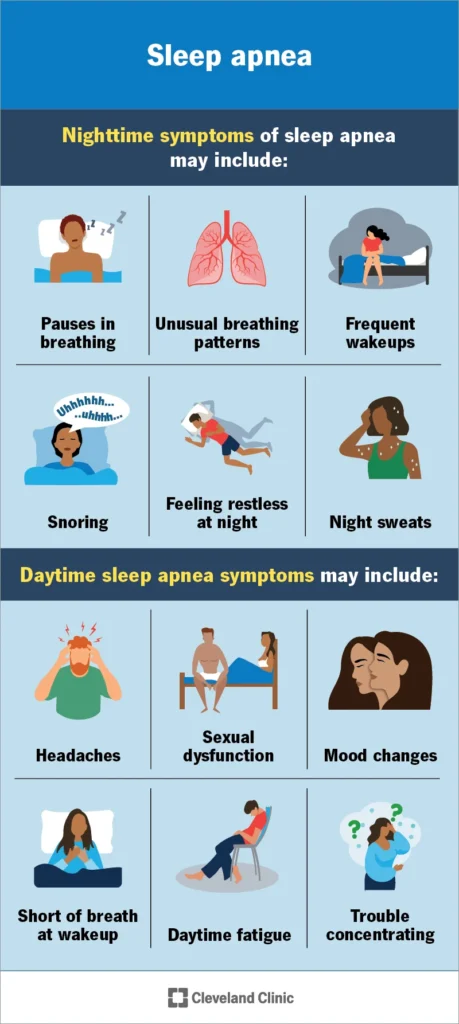
Symptoms of sleep apnea include loud snoring, morning headaches, fatigue, and irritability. If left untreated, it can increase the risk of heart disease, stroke, and diabetes. While there are various treatments available for sleep apnea, such as continuous positive airway pressure (CPAP) therapy and oral appliances, these may not work for everyone. This is where meditation comes into play.
The Impact of Meditation on Sleep Apnea
Meditation has been shown to have a positive impact on sleep apnea by reducing stress, promoting relaxation, and improving overall sleep quality. A study published in the Journal of Clinical Sleep Medicine found that participants who practiced mindfulness meditation for eight weeks saw a significant reduction in the severity of their sleep apnea. This was due to the fact that meditation helps to relax the muscles in the airway, reducing the likelihood of blockage and improving breathing during sleep.
Moreover, meditation has been found to reduce stress and anxiety, which are common triggers for sleep apnea. When we are stressed, our body produces cortisol, also known as the stress hormone, which can cause inflammation and lead to airway obstruction. By incorporating meditation into your daily routine, you can lower your stress levels and promote relaxation, reducing the risk of sleep apnea episodes.
The Role of Meditation in Managing Sleep Apnea
Additionally, meditation has been linked to improved sleep quality overall. A study conducted by the University of Southern California found that participants who practiced meditation for eight weeks reported better sleep quality, including longer sleep duration and less waking up during the night. This is because meditation helps to calm the mind and promote a sense of peace and tranquility, making it easier to fall asleep and stay asleep throughout the night.
How to Incorporate Meditation into Your Daily Routine
Now that we understand the benefits of meditation for managing sleep apnea, let’s explore how to incorporate this practice into your daily routine.
1. Find a quiet and comfortable space: The first step is to find a quiet and comfortable space where you can sit or lie down without any distractions. This could be in your bedroom, living room, or any other peaceful area in your home.
2. Focus on your breath: Start by focusing on your breath and allowing it to become slow and steady. This will help to calm your mind and relax your body.
3. Practice deep breathing: Take deep, slow breaths, and focus on the sensation of the breath entering and leaving your body. This will help to increase oxygen flow and relax the muscles in your airway.
4. Use guided meditation: If you are new to meditation, using guided meditation apps or videos can be helpful. These provide step-by-step instructions and can help you stay focused during your practice.
5. Be consistent: Like any other practice, consistency is key when it comes to meditation. Try to incorporate it into your daily routine, whether it’s first thing in the morning or before going to bed.
Incorporating meditation into your daily routine can not only improve your sleep quality but also have a positive impact on your overall health and well-being.
Summary:
In summary, sleep apnea is a common sleep disorder that can lead to serious health issues if left untreated. While there are various treatments available, incorporating meditation into your daily routine can be a holistic approach to managing this condition. Meditation has been shown to reduce the severity of sleep apnea, lower stress and anxiety levels, and improve sleep quality overall. By finding a quiet and comfortable space, focusing on the breath, and being consistent with your practice, you can reap the benefits of meditation in managing sleep apnea.