
Blog Post:
Sleep apnea is a common sleep disorder that affects millions of people worldwide. It is characterized by pauses in breathing or shallow breathing during sleep, leading to poor quality sleep and potential health risks. While sleep apnea is often associated with snoring and fatigue, it can also have a significant impact on dental health. In this blog post, we will discuss the relationship between sleep apnea and dental health and how remedies can improve both.
The Link between Sleep Apnea and Dental Health:
Sleep apnea can have a detrimental effect on dental health in several ways. The most common type of sleep apnea, obstructive sleep apnea (OSA), occurs when the airway is partially or completely blocked during sleep. This obstruction can lead to dry mouth, which can cause tooth decay, gum disease, and bad breath. Additionally, people with sleep apnea are more likely to breathe through their mouths, which can also contribute to dry mouth and dental health problems.
Moreover, sleep apnea can also lead to bruxism, a condition where a person clenches or grinds their teeth during sleep. This can result in tooth damage, jaw pain, and headaches. The repeated pauses in breathing during sleep can also cause a decrease in oxygen levels in the body, leading to inflammation and tissue damage in the mouth. This inflammation can contribute to gum disease, which has been linked to other health issues such as heart disease, stroke, and diabetes.
How Remedies Can Improve Both Sleep Apnea and Dental Health:
Fortunately, there are various remedies available to improve both sleep apnea and dental health. The most common treatment for sleep apnea is continuous positive airway pressure (CPAP) therapy, which involves wearing a mask over the nose or mouth during sleep. This mask delivers a steady stream of air, keeping the airway open and preventing pauses in breathing. CPAP therapy has been shown to not only improve sleep apnea symptoms but also reduce the risk of related health issues such as high blood pressure and heart disease.
Sleep Apnea and Dental Health: How Remedies Can Improve Both
In terms of dental health, CPAP therapy can also have a positive impact. By keeping the airway open, it reduces the likelihood of breathing through the mouth, which can contribute to dry mouth and tooth decay. Additionally, CPAP therapy can help alleviate bruxism by promoting better sleep and reducing stress levels, which are often linked to teeth grinding. However, some people find CPAP therapy uncomfortable and have difficulty adjusting to it. In such cases, alternative treatments can be explored.
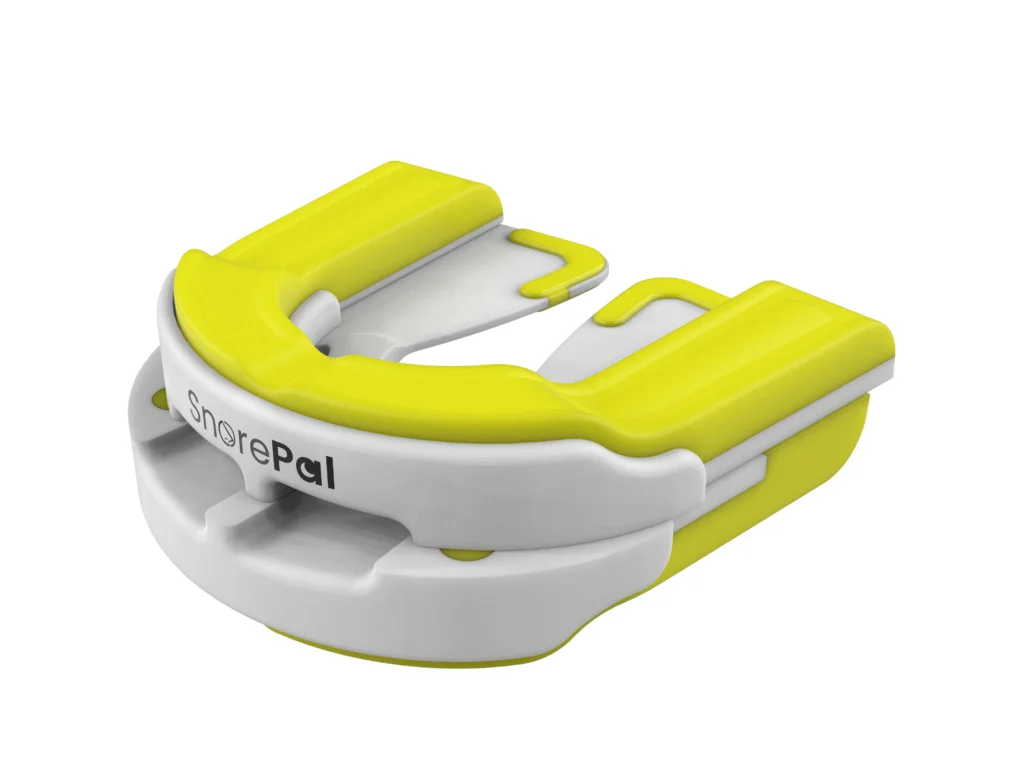
Another effective way to improve both sleep apnea and dental health is through oral appliance therapy. This involves wearing a customized mouthguard while sleeping to help keep the airway open. Unlike CPAP therapy, oral appliances are compact, portable, and easy to use, making them a convenient option for those who travel frequently. They can also be a more comfortable alternative for people who find CPAP therapy uncomfortable.
In addition to these treatments, making lifestyle changes such as quitting smoking, losing weight, and avoiding alcohol and sedatives before bed can also help improve both sleep apnea and dental health. These lifestyle changes can help reduce inflammation in the airway and improve overall sleep quality.
The Role of Dentists in Managing Sleep Apnea:
Dentists play a crucial role in identifying and managing sleep apnea. As sleep apnea can have a significant impact on dental health, dentists are often the first healthcare professionals to notice signs of the disorder. They can examine the mouth and throat for any abnormalities that may contribute to sleep apnea and refer patients for further diagnosis and treatment. Dentists can also play a role in treating sleep apnea through oral appliance therapy and providing education on lifestyle changes that can improve sleep apnea and dental health.
Summary:
Sleep apnea is a common sleep disorder that can have a significant impact on dental health. It can lead to dry mouth, bruxism, and other oral health issues, which can increase the risk of other health problems. However, there are various remedies available to improve both sleep apnea and dental health. CPAP therapy and oral appliance therapy are effective treatments for sleep apnea that can also have a positive impact on dental health. Making lifestyle changes and seeking support from dentists can also help manage sleep apnea and improve dental health.
In conclusion, sleep apnea and dental health are closely linked, and treating one can improve the other. If you suspect you may have sleep apnea, it is essential to seek medical advice and explore treatment options to improve your overall health and well-being.