
Blog Post:
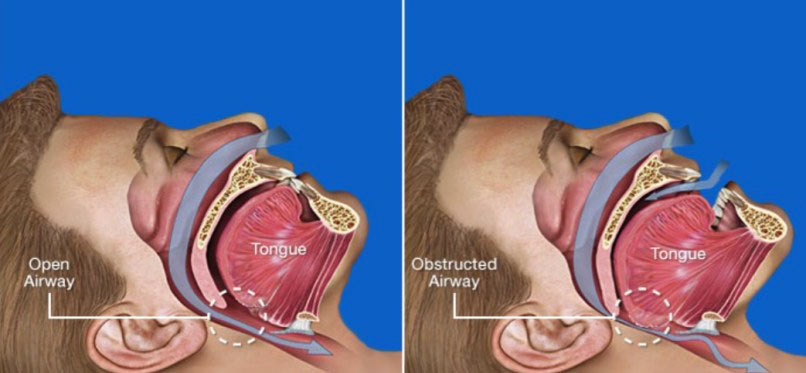
Sleep is a crucial aspect of our overall health and well-being. It allows our bodies to rest and recharge, and is essential for proper cognitive function, emotional regulation, and physical health. However, for many people, getting a good night’s sleep is easier said than done. Sleep disorders such as insomnia, sleep apnea, and restless leg syndrome can greatly impact our ability to fall asleep and stay asleep, leaving us feeling tired and unrefreshed the next day.
While there are many medications available to treat sleep disorders, exercise has been proven to be a natural and effective way to improve sleep quality and reduce symptoms of sleep disorders. In this blog post, we will explore the role of exercise in treating sleep disorders and provide 5 workouts to try in order to promote better sleep.
The Role of Exercise in Treating Sleep Disorders:
Regular exercise has been shown to improve sleep quality, increase sleep duration, and reduce the severity of sleep disorders. This is due to the fact that exercise not only has physical benefits, but also affects our mental and emotional well-being, which are closely linked to our sleep patterns.
Exercise helps to regulate our circadian rhythm, also known as our internal body clock, which controls our sleep-wake cycle. By engaging in physical activity during the day, our bodies become more in tune with our natural sleep-wake cycle, making it easier to fall asleep at night. Studies have also shown that exercise can decrease the amount of time it takes to fall asleep and decrease the number of times we wake up during the night.
In addition, exercise has been found to reduce stress and anxiety, which are common factors in many sleep disorders. Regular exercise can release endorphins, which are natural mood-boosters that help to reduce stress and promote relaxation. This can greatly improve our ability to fall asleep and stay asleep.
5 Workouts to Try for Better Sleep:
1. Yoga:
The Role of Exercise in Treating Sleep Disorders: 5 Workouts to Try
Yoga is a form of exercise that combines physical postures, breathing techniques, and meditation to promote overall well-being. It has been found to be particularly beneficial for those with sleep disorders due to its calming and relaxing effects on the mind and body. Certain yoga poses, such as forward folds and twists, can also help to release tension in the body and promote relaxation.
2. Pilates:
Pilates is a low-impact exercise that focuses on core strength, flexibility, and mind-body connection. It can be a great workout for those with sleep disorders, as it helps to improve posture and relieve tension in the body. Pilates also incorporates breathing techniques and mindfulness, which can promote relaxation and better sleep.
3. Cardiovascular Exercise:
Engaging in cardiovascular exercise, such as running, swimming, or cycling, has been found to be highly beneficial for improving sleep quality. It not only burns off excess energy, making it easier to fall asleep, but also releases endorphins, which can reduce stress and promote relaxation. However, it is important to avoid intense cardio workouts close to bedtime, as it can have the opposite effect and make it harder to fall asleep.
4. Strength Training:
Strength training, also known as resistance training, involves using weights or resistance bands to build muscle and improve overall strength. This type of exercise has been shown to improve sleep quality and reduce symptoms of sleep disorders. It can also help to alleviate chronic pain, which is a common cause of sleep disturbances.
5. Mindful Movement:
Mindful movement practices, such as tai chi and qigong, combine physical movement with breathing techniques and meditation. These gentle exercises can improve balance, flexibility, and mental well-being, making them a great option for those with sleep disorders. They can also help to reduce stress and promote relaxation, leading to better sleep.
In summary, exercise plays a crucial role in improving sleep quality and reducing symptoms of sleep disorders. It helps to regulate our internal body clock, reduce stress and anxiety, and promote relaxation. By incorporating various types of exercise into our routines, we can greatly improve our sleep and overall well-being.