
Blog Post: Sleep Soundly: How to Stop Snoring for Good
Snoring is a common issue that affects many people around the world. Not only can it be disruptive to your own sleep, but it can also impact the sleep of those around you. In some cases, snoring can even be a sign of a more serious health issue. If you or a loved one is struggling with snoring, you may be wondering how to stop it for good. In this blog post, we will discuss the causes of snoring, the potential health risks, and provide tips on how to stop snoring and sleep soundly.
Causes of Snoring:
Snoring occurs when the airway is partially blocked, causing vibrations in the throat. This can be caused by a variety of factors such as:
1. Nasal and Sinus Issues: Any blockage in the nasal passages, such as a deviated septum or allergies, can contribute to snoring.
2. Obesity: Excess weight can lead to an increase in fatty tissue in the throat, which can obstruct the airway and cause snoring.
3. Drinking Alcohol: Consuming alcohol before bedtime can relax the muscles in the throat, leading to snoring.
4. Sleeping Position: Sleeping on your back can cause the tongue to fall back and block the airway, resulting in snoring.
5. Aging: As we age, the muscles in our throat can become weaker, making it easier for them to collapse and cause snoring.
Potential Health Risks of Snoring:
While snoring may seem like a harmless annoyance, it can actually be a sign of a more serious health issue. Chronic snoring can lead to the following health risks:
1. Sleep Apnea: This is a disorder where breathing repeatedly stops and starts during sleep. It can lead to fatigue, high blood pressure, and other health issues.
2. Cardiovascular Disease: Snoring has been linked to an increased risk of heart disease, as it can cause changes in the blood vessels and oxygen levels in the body.
Sleep Soundly: How to Stop Snoring for Good
3. Stroke: People who snore are at a higher risk of having a stroke, as it can lead to the formation of blood clots.
4. Mental Health Issues: Chronic snoring can lead to sleep deprivation, which can result in mood changes, irritability, and even depression.
Tips to Stop Snoring:
Fortunately, there are steps you can take to stop snoring and improve your sleep quality. Here are some tips to help you stop snoring for good:
1. Maintain a Healthy Weight: As mentioned earlier, obesity can contribute to snoring, so maintaining a healthy weight can help reduce snoring.
2. Change Your Sleeping Position: Sleeping on your side can help keep the airway open and prevent snoring. You can also try elevating your head with an extra pillow to improve airflow.
3. Avoid Alcohol and Sedatives: These substances can relax the muscles in the throat, leading to snoring. It’s best to avoid them before bedtime.
4. Stay Hydrated: Drinking plenty of water can help thin out mucus and reduce nasal congestion, making it easier to breathe and reducing snoring.
5. Use Nasal Strips: These strips can help open up the nasal passages and improve airflow, reducing snoring.
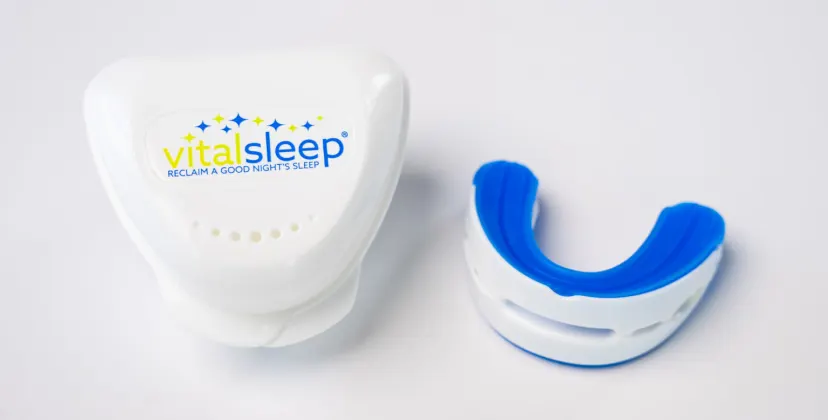
6. Try an Anti-Snoring Device: There are various devices on the market, such as mouthguards and nasal dilators, that can help keep the airway open and reduce snoring.
7. Consult with a Doctor: If your snoring persists despite trying these tips, it’s important to consult with a doctor. They can determine if there is an underlying health issue causing your snoring and provide appropriate treatment.
In conclusion, snoring can be a frustrating issue that disrupts your sleep and can even have serious health consequences. By understanding the causes of snoring and implementing these tips, you can stop snoring and improve your overall sleep quality. If your snoring persists, it’s important to seek medical advice for proper diagnosis and treatment.
Summary:
Snoring is a common issue that can disrupt your sleep and impact your health. It occurs when the airway is partially blocked, and can be caused by factors such as nasal and sinus issues, excess weight, alcohol consumption, and aging. Chronic snoring can lead to health risks such as sleep apnea, cardiovascular disease, stroke, and mental health issues. To stop snoring for good, it’s important to maintain a healthy weight, avoid alcohol and sedatives, stay hydrated, and try anti-snoring devices. If snoring persists, consulting with a doctor is recommended for proper diagnosis and treatment.