
Blog Post:
In today’s fast-paced and noisy world, getting a good night’s sleep can be a challenge. From loud neighbors and street noise to the constant buzzing of electronic devices, there are countless factors that can disrupt our sleep and leave us feeling drained and exhausted in the morning. However, with a few simple tips and changes to your sleeping habits, you can create a quieter and more restful environment that will help you snooze without noise. Here are some tips for a quieter, more restful sleep.
1. Invest in a White Noise Machine
If you live in a noisy environment or find it difficult to fall asleep due to external sounds, consider investing in a white noise machine. These devices emit a consistent background noise, such as the sound of rain or waves, that can help drown out other sounds and create a soothing environment for sleep. You can also use a fan or a white noise app on your phone as an alternative.
2. Use Earplugs
For those who are sensitive to noise, earplugs can be a lifesaver. They are inexpensive and can block out most external sounds, allowing you to sleep in peace. There are various types of earplugs available, from disposable foam ones to custom-made ones that fit your ears perfectly. Experiment with different types and find the one that works best for you.
3. Try Soundproofing
If you live in a busy area, soundproofing your bedroom can be an effective way to reduce noise levels. This can include installing a heavy-duty door, sealing any gaps or cracks in your walls, and using sound-absorbing materials like carpets and curtains. While this may require some investment, it can significantly improve the quality of your sleep in the long run.
4. Keep Your Bedroom Dark
Light can also be a significant factor in disrupting our sleep. Even a small amount of light can interfere with our natural sleep patterns and make it difficult to fall asleep. Invest in blackout curtains or wear an eye mask to block out any light sources in your room.
5. Establish a Relaxing Bedtime Routine
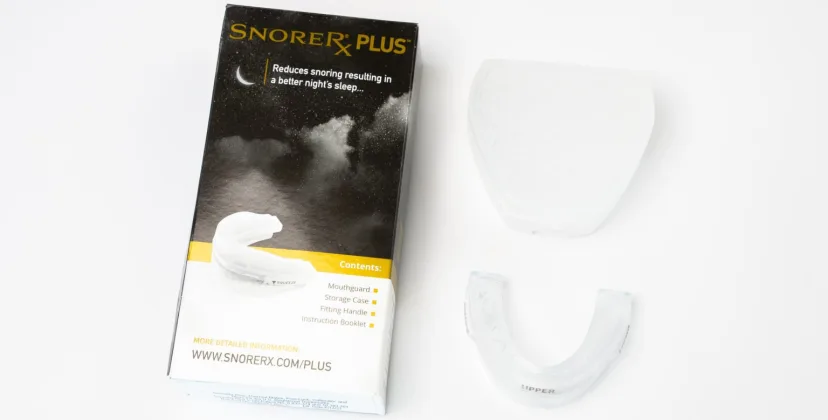
Snooze Without Noise: Tips for a Quieter, More Restful Sleep
Having a calming bedtime routine can signal to your body that it’s time to wind down and prepare for sleep. This can include taking a warm bath, reading a book, or listening to soothing music. Avoid using screens, such as your phone or TV, as the blue light emitted can suppress the production of melatonin, a hormone that helps us sleep.
6. Keep Your Bedroom Cool and Comfortable
The temperature and comfort level of your bedroom can also play a significant role in your sleep quality. Experts recommend keeping your bedroom between 60-67 degrees Fahrenheit for optimal sleep. Additionally, investing in a comfortable mattress and pillows can make a world of difference in how well you sleep.
7. Use Essential Oils
Certain essential oils, like lavender, chamomile, and valerian root, have calming properties that can promote relaxation and improve sleep quality. You can use them in a diffuser or add a few drops to your pillow before bedtime. Just make sure to use high-quality, pure essential oils and follow proper dilution guidelines.
8. Practice Relaxation Techniques
Stress and anxiety can also keep us up at night, so incorporating relaxation techniques into your bedtime routine can help calm your mind and body. This can include deep breathing exercises, meditation, or gentle stretching. Find what works best for you and make it a part of your nightly routine.
9. Consider a Weighted Blanket
Weighted blankets have become increasingly popular in recent years for their ability to reduce anxiety and promote relaxation. These blankets provide gentle pressure on the body, mimicking the feeling of a hug, and can help improve sleep quality for those who struggle with anxiety or restlessness.
10. Try a Sleep Mask or White Noise App for Travel
If you’re someone who struggles to sleep while traveling, a sleep mask or white noise app can be your best friend. They can help block out unfamiliar sounds and create a familiar and soothing environment for sleep.
In summary, getting a good night’s sleep without noise is possible with a few simple tips and changes to your sleeping habits. Whether it’s investing in a white noise machine, using earplugs, or establishing a relaxing bedtime routine, there are various ways to create a quieter and more restful environment for sleep. Experiment with different techniques and find what works best for you to achieve a peaceful and rejuvenating night’s sleep.