
Snoring is a common issue that affects both the snorer and their sleep partner. It can be caused by a variety of factors such as nasal congestion, sleeping position, or even the anatomy of the throat. While it may seem like a minor inconvenience, snoring can actually have a significant impact on the quality of sleep for both parties. Fortunately, there are simple tips and tricks that can help quiet the noise and promote a peaceful night’s rest.
One of the first steps to quieting snoring is to identify the root cause. For some people, snoring may be a result of allergies or sinus congestion. In these cases, using a nasal spray or decongestant before bed can help open up the airways and reduce snoring. It’s also important to keep the bedroom clean and dust-free to minimize the potential for allergens.
Another common cause of snoring is sleeping position. Sleeping on your back can cause the tongue to fall back and block the airway, leading to snoring. To combat this, try sleeping on your side or using a body pillow to keep you in a more comfortable position throughout the night. Additionally, elevating your head with an extra pillow can also help reduce snoring.
For some individuals, snoring may be a result of excess weight or poor muscle tone in the throat. In these cases, incorporating regular exercise and maintaining a healthy weight can help strengthen the muscles in the throat and reduce snoring. Certain exercises, such as singing or playing wind instruments, can also help strengthen these muscles.
In addition to lifestyle changes, there are also various products and devices that can aid in reducing snoring. Nasal strips, which are placed over the nose, can help widen the nasal passages and improve airflow. Mouthguards, also known as mandibular advancement devices, can help keep the tongue and jaw in a forward position to prevent them from blocking the airway. These devices can be purchased over-the-counter or custom-made by a dentist.
Hush Your Snoring: Simple Tips for Quieting the Noise
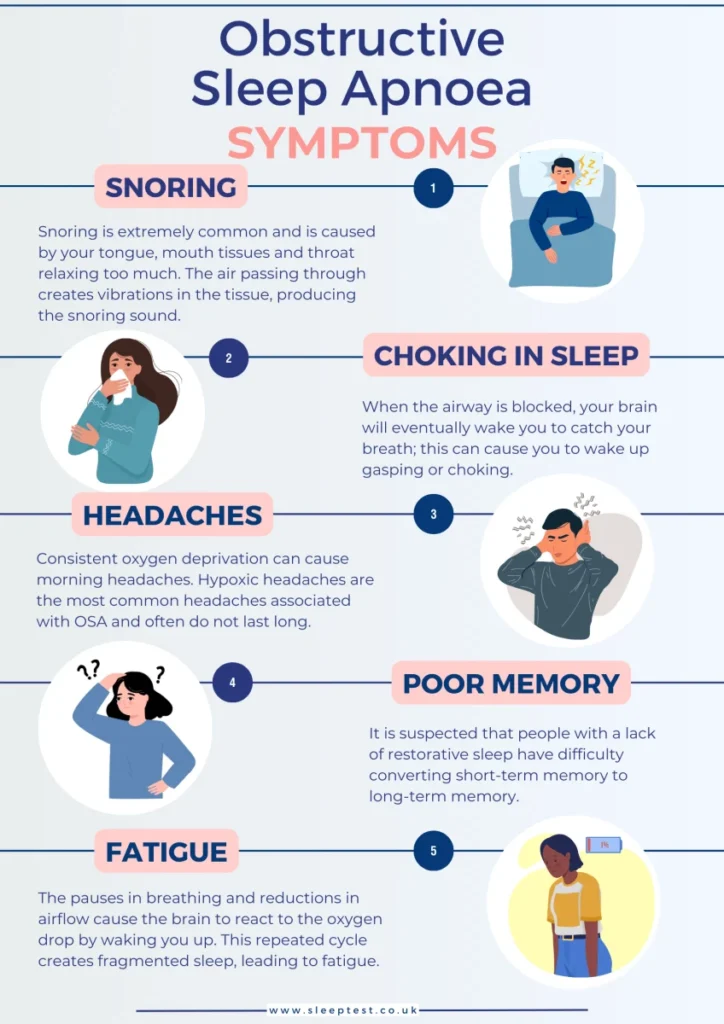
In more severe cases, snoring may be a symptom of sleep apnea, a serious sleep disorder. In this condition, the airway becomes blocked, causing pauses in breathing during sleep. If snoring is accompanied by excessive daytime sleepiness, morning headaches, or gasping for air during sleep, it’s important to consult a doctor for a proper diagnosis and treatment plan.
Aside from these practical tips, there are also some lifestyle habits that can contribute to snoring. Alcohol consumption, smoking, and sedative medications can all relax the muscles in the throat and contribute to snoring. Limiting or avoiding these substances can help reduce snoring and improve overall sleep quality.
In addition to these tips, there are also some natural remedies that may help reduce snoring. Herbs like peppermint, eucalyptus, and lavender have been found to have anti-inflammatory properties and can help open up the airways. Essential oils can also be used in a diffuser or applied topically to promote relaxation and ease snoring.
It’s also important to maintain a consistent sleep schedule and practice good sleep hygiene. Going to bed and waking up at the same time each day can help regulate the body’s sleep-wake cycle and promote better sleep. Additionally, keeping the bedroom dark, cool, and quiet can create a more conducive environment for restful sleep.
In summary, snoring is a common issue that can have a significant impact on sleep quality. By identifying the root cause and implementing some simple tips and tricks, such as using nasal strips, sleeping in a different position, or incorporating exercise, snoring can be reduced. It’s also important to address any underlying health conditions, such as sleep apnea, and practice good sleep hygiene for overall better sleep.