
Quiet Nights Ahead: Lifestyle Changes for Snoring Reduction
Snoring is a common problem that affects millions of people worldwide. It not only disrupts the sleep of the snorer, but also their partner and other family members. Snoring can be caused by various factors such as obesity, smoking, alcohol consumption, and sleep apnea. While some people may find relief through medical treatments, others may benefit from making simple lifestyle changes to reduce their snoring.
In this blog post, we will discuss some lifestyle changes that can help reduce snoring and improve the quality of sleep for both the snorer and their loved ones.
1. Maintain a Healthy Weight
Obesity is one of the leading causes of snoring. Excess weight around the neck and throat can put pressure on the airways, leading to snoring. Losing weight can reduce the amount of tissue in the throat, making it easier for air to pass through and reducing snoring. Incorporating a healthy diet and regular exercise into your routine can help you maintain a healthy weight and reduce snoring.
2. Quit Smoking
Smoking is not only harmful to your overall health but can also contribute to snoring. The chemicals in cigarettes can irritate the tissues in the nose and throat, causing inflammation and congestion. This can lead to snoring or make an existing snoring problem worse. Quitting smoking can improve your overall health and reduce snoring.
3. Limit Alcohol Consumption
Alcohol is a sedative that relaxes the muscles in the throat, causing them to collapse and obstruct the airways. This can lead to snoring, especially for those who do not normally snore. Limiting alcohol consumption, especially before bedtime, can help reduce snoring and improve the quality of sleep.
4. Change Sleeping Position
Sleeping on your back can make snoring worse as it allows the tongue and soft palate to collapse onto the back of the throat, obstructing the airway. Sleeping on your side or elevating your head with an extra pillow can help keep the airway open and reduce snoring.
5. Keep a Regular Sleep Schedule
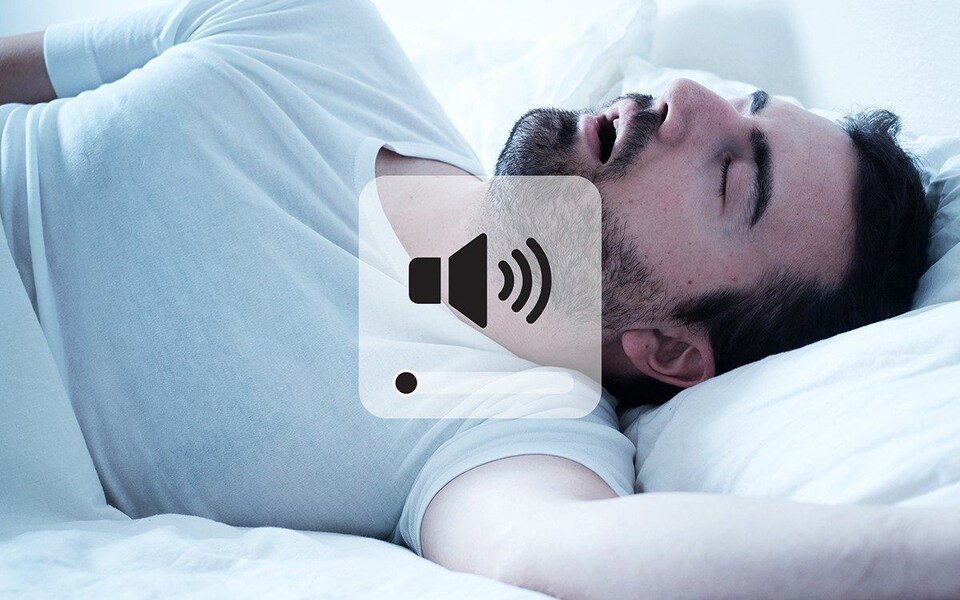
Quiet Nights Ahead: Lifestyle Changes for Snoring Reduction
Irregular sleep patterns can disrupt the body’s natural sleep cycle, leading to poor quality of sleep and snoring. It is important to maintain a regular sleep schedule, going to bed and waking up at the same time each day. This will help regulate your body’s sleep-wake cycle and reduce snoring.
6. Use a Humidifier
Dry air can irritate the nasal passages and throat, leading to congestion and snoring. Using a humidifier in your bedroom can add moisture to the air and reduce congestion, making it easier to breathe and reducing snoring.
7. Try Nasal Strips
Nasal strips are adhesive strips that are placed on the outside of the nose. They work by widening the nostrils, allowing for easier breathing and reducing snoring. Nasal strips are a non-invasive and affordable option for those looking to reduce snoring.
8. Treat Underlying Medical Conditions
In some cases, snoring can be caused by underlying medical conditions such as allergies, sinus infections, or sleep apnea. Treating these conditions can help reduce snoring and improve overall health.
9. Practice Good Sleep Hygiene
Good sleep hygiene involves creating an environment that promotes good quality sleep. This includes keeping your bedroom dark, quiet, and cool, avoiding electronic devices before bedtime, and practicing relaxation techniques. Good sleep hygiene can help reduce snoring and improve the overall quality of sleep.
10. Consult a Doctor
If lifestyle changes do not seem to help reduce snoring, it is important to consult a doctor. They can assess the cause of your snoring and recommend appropriate treatment options, such as a Continuous Positive Airway Pressure (CPAP) machine or surgery.
In conclusion, snoring can have a significant impact on the quality of sleep for both the snorer and their loved ones. Making simple lifestyle changes can help reduce snoring and improve overall health. It is important to maintain a healthy weight, quit smoking, limit alcohol consumption, change sleeping positions, keep a regular sleep schedule, use a humidifier, try nasal strips, treat underlying medical conditions, practice good sleep hygiene, and consult a doctor if necessary.
By incorporating these lifestyle changes, you can look forward to quiet nights ahead and a better quality of sleep for you and your loved ones.