
Surprising Lifestyle Changes That Can Reduce Snoring: A Comprehensive Guide
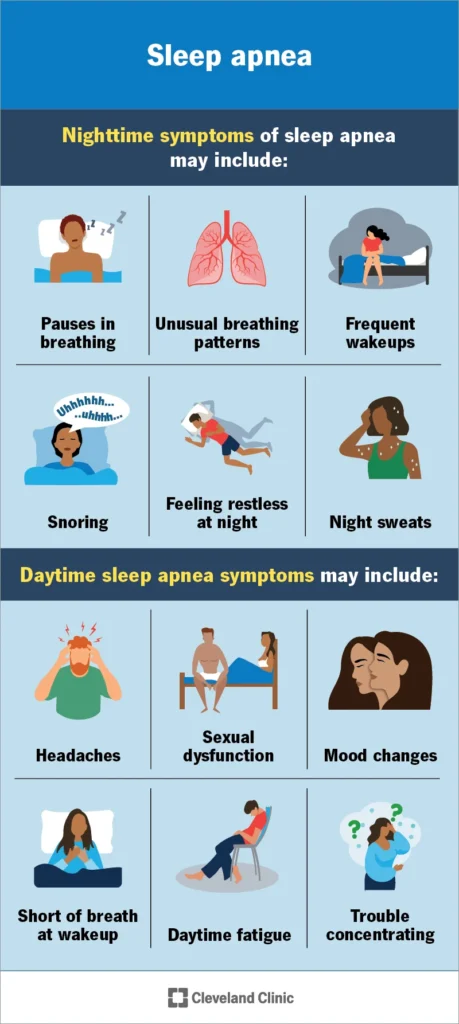
Snoring is a common issue that affects millions of people around the world. It can disrupt your sleep and your partner’s sleep, leading to fatigue, irritability, and other health problems. While some snoring may be harmless, it can also be a sign of a more serious underlying condition, such as sleep apnea. While many people may turn to medical solutions or devices to manage their snoring, there are also surprising lifestyle changes that can significantly reduce snoring. In this blog post, we will explore some unexpected changes that can help you say goodbye to snoring and improve your overall health and well-being.
1. Quit Smoking
Smoking is not only harmful to your overall health, but it can also worsen snoring. This is because smoking irritates the tissues in your throat and nose, causing them to swell and block your airway. Additionally, smoking can also lead to inflammation and excess mucus production, further obstructing your airway. By quitting smoking, you can reduce the inflammation and swelling in your airway, making it easier to breathe and reducing the chances of snoring.
2. Avoid Alcohol Before Bed
While a glass of wine or a nightcap may seem like a relaxing way to unwind before bed, it can actually contribute to snoring. Alcohol relaxes the muscles in your throat, causing them to collapse and obstruct your airway. This leads to increased snoring and can even worsen sleep apnea. Avoiding alcohol before bedtime can help keep your airway open and reduce snoring.
3. Change Your Sleeping Position
Believe it or not, your sleeping position can also play a significant role in snoring. Sleeping on your back can cause your tongue to fall back and block your airway, leading to snoring. To reduce snoring, try sleeping on your side instead. You can also invest in a body pillow or prop yourself up with extra pillows to keep you from rolling onto your back while you sleep.
4. Stay Hydrated
Dehydration can cause the secretions in your nose and soft palate to become stickier, leading to blocked airways and snoring. Make sure to drink plenty of water throughout the day to keep your airway lubricated and reduce snoring. Additionally, staying hydrated can also help thin out mucus, making it easier to breathe.
5. Maintain a Healthy Weight
Being overweight or obese can contribute to snoring as it can lead to excess fat around the neck, which can put pressure on your airway and cause it to collapse. Losing weight can help reduce the amount of tissue in your throat, making it easier to breathe and reducing snoring. Additionally, maintaining a healthy weight can also improve your overall health and reduce the risk of other health issues related to obesity.
Surprising Lifestyle Changes That Can Reduce Snoring
6. Exercise Regularly
Regular exercise not only helps with weight management but can also improve muscle tone and reduce snoring. Stronger throat muscles are less likely to collapse and obstruct your airway, leading to reduced snoring. Aim for at least 30 minutes of exercise each day, and incorporate activities that can strengthen your throat and neck muscles, such as singing or playing a wind instrument.
7. Manage Allergies and Nasal Congestion
Allergies and nasal congestion can make it difficult to breathe through your nose, causing you to breathe through your mouth and leading to snoring. By managing your allergies and congestion, you can keep your nasal passages clear and reduce snoring. Try using allergy medication or nasal sprays to alleviate symptoms and improve your breathing.
8. Try Throat Exercises
Just like any other muscle in your body, your throat muscles can also benefit from targeted exercises. These exercises can help strengthen your throat muscles, reducing the likelihood of them collapsing and causing snoring. Some simple exercises you can try include singing, repeating vowel sounds, and pushing your tongue against the roof of your mouth.
9. Use a Humidifier
Dry air can irritate your throat and nasal passages, causing congestion and snoring. Using a humidifier can help add moisture to the air, reducing the chances of snoring. Additionally, a humidifier can also help alleviate other symptoms associated with dry air, such as dry skin and a sore throat.
10. Consider Your Mattress and Pillow
Your mattress and pillow can also contribute to snoring. An old, worn-out mattress can cause you to sink and put pressure on your airway, leading to snoring. Similarly, a pillow that is too high or low can also obstruct your airway. Consider investing in a new mattress and pillow that provides proper support and alignment for your head and neck.
Summary:
Snoring can be a nuisance for both the snorer and their partner, but it can also be a sign of a more serious underlying condition. While many may turn to medical solutions, there are also surprising lifestyle changes that can reduce snoring. These changes include quitting smoking, avoiding alcohol before bed, changing your sleeping position, staying hydrated, maintaining a healthy weight, exercising regularly, managing allergies and congestion, trying throat exercises, using a humidifier, and considering your mattress and pillow. By making these lifestyle changes, you can say goodbye to snoring and improve your overall health and well-being.