
Lifestyle Changes to Keep Snoring at Bay
Snoring is a common problem that affects millions of people around the world. It not only disrupts the sleep of the person snoring but also those around them. In some cases, snoring can even be a sign of a more serious health issue. Therefore, it is important to address snoring and find ways to keep it at bay. While there are many medical treatments available, there are also lifestyle changes that can greatly reduce snoring. In this blog post, we will discuss some effective lifestyle changes that can help you keep snoring at bay.
1. Maintain a Healthy Weight
One of the most common causes of snoring is excess weight. When a person gains weight, it can lead to an accumulation of fat in the neck area, which can put pressure on the airways and cause snoring. Therefore, it is important to maintain a healthy weight to reduce snoring. This can be achieved through a combination of a healthy diet and regular exercise. Losing just a few pounds can make a significant difference in reducing snoring.
2. Avoid Alcohol and Sedatives
Alcohol and sedatives can relax the muscles in the throat, making it easier for them to collapse and block the airways, leading to snoring. Therefore, it is important to avoid consuming alcohol and sedatives before bedtime. Instead, try drinking herbal tea or warm milk to help you relax and fall asleep.
3. Quit Smoking
Smoking is not only harmful to your overall health but can also contribute to snoring. The chemicals in cigarettes can irritate the lining of the throat and nasal passages, causing swelling and congestion, which can lead to snoring. Quitting smoking can greatly improve your respiratory health and reduce snoring.
4. Sleep on Your Side
Sleeping on your back can cause the tongue and soft palate to collapse, blocking the airways and causing snoring. Sleeping on your side can help keep the airways open and reduce snoring. You can try using a body pillow or placing a tennis ball at the back of your pajamas to prevent you from rolling onto your back while sleeping.
5. Keep Your Bedroom Clean and Dust-free
Lifestyle Changes to Keep Snoring at Bay
Allergens such as dust and pet dander can irritate your nasal passages and cause congestion, leading to snoring. It is important to keep your bedroom clean and dust-free to reduce the chances of snoring. Regularly vacuum and dust your bedroom, change your sheets and pillowcases, and keep pets out of the bedroom to minimize exposure to allergens.
6. Stay Hydrated
Dehydration can lead to the production of thicker mucus in the nose and throat, which can obstruct the airways and cause snoring. It is important to stay hydrated throughout the day by drinking an adequate amount of water. This can help thin out the mucus and reduce snoring.
7. Use a Humidifier
Dry air can irritate the nasal passages and throat, leading to congestion and snoring. Using a humidifier in your bedroom can add moisture to the air and help reduce snoring. This is especially helpful for those who live in dry climates or during the winter months when the air tends to be drier.
8. Elevate Your Head While Sleeping
Elevating your head while sleeping can help keep the airways open and reduce snoring. You can achieve this by using an extra pillow or a wedge pillow. This can also be helpful for those who suffer from acid reflux, as it can prevent stomach acid from traveling up the esophagus and causing snoring.
9. Practice Good Sleep Hygiene
Having a regular sleep schedule and practicing good sleep hygiene can greatly reduce snoring. This includes going to bed and waking up at the same time every day, avoiding caffeine and heavy meals close to bedtime, and creating a comfortable and relaxing sleep environment.
10. Consider Nasal Strips or Mouthpieces
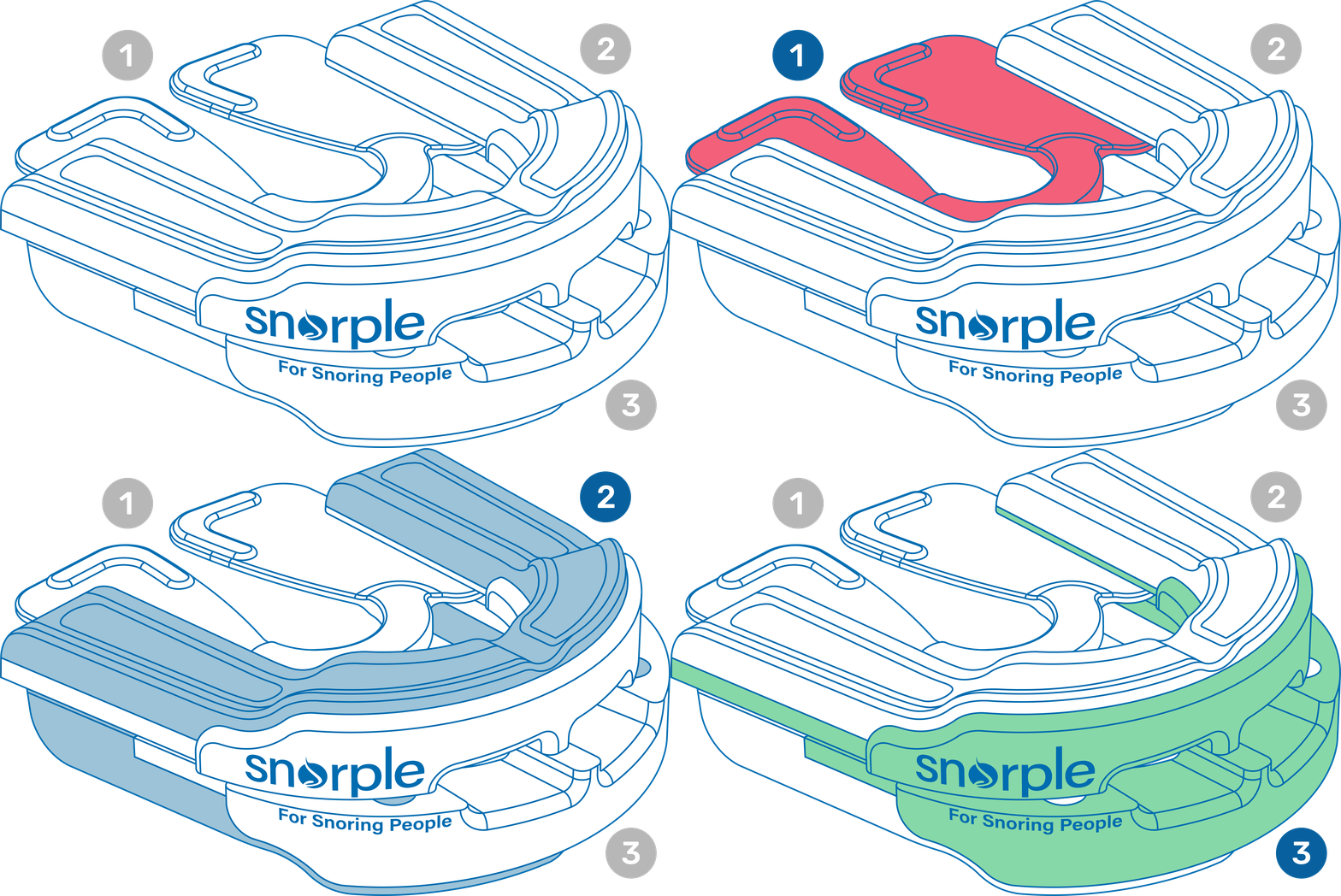
If your snoring is caused by nasal congestion or obstruction, nasal strips can be a helpful solution. These strips are placed on the outside of the nose and work by widening the nasal passages and reducing congestion. Mouthpieces, on the other hand, can be a helpful option for those whose snoring is caused by tongue or jaw position. These devices can help keep the airways open and reduce snoring.
In conclusion, snoring can be a disruptive and frustrating problem, but it is not something that cannot be managed. By making simple lifestyle changes, such as maintaining a healthy weight, avoiding alcohol and smoking, and practicing good sleep hygiene, you can greatly reduce snoring and improve your overall well-being. It is important to remember that snoring can also be a sign of a more serious health issue, so if snoring persists despite lifestyle changes, it is important to consult a doctor for further evaluation.