
Blog Post Title: Sleep Hygiene 101: A Guide for Snorers
Summary:
Snoring is a common problem that affects millions of people around the world. It not only disrupts the sleep of the person snoring but also their partner and other family members. While occasional snoring may not be a cause for concern, chronic snoring can be an indication of a serious underlying health issue. In addition, snoring can also lead to poor sleep quality, daytime fatigue, and other health problems. This is why it is important for snorers to practice good sleep hygiene to improve their quality of sleep and overall health. In this blog post, we will discuss sleep hygiene 101 for snorers, including its definition, causes, and practical tips to reduce snoring and improve sleep quality.
Firstly, let’s define sleep hygiene. It refers to a set of habits and practices that promote good sleep. These practices include having a comfortable sleep environment, following a regular sleep schedule, and avoiding habits that can disrupt sleep, such as excessive caffeine intake, smoking, and heavy meals before bedtime. For snorers, good sleep hygiene is crucial as it can help reduce snoring and improve the quality of their sleep.
One of the primary causes of snoring is the relaxation of muscles in the throat and tongue during sleep, obstructing the airway and causing vibrations that result in the snoring sound. This can be exacerbated by factors such as obesity, alcohol consumption, and certain medications. However, there are several steps snorers can take to improve their sleep hygiene and reduce snoring.
Firstly, maintaining a healthy weight through regular exercise and a balanced diet can help reduce snoring. Obesity is a major contributor to snoring, as excess fat in the neck area can put pressure on the airway, making it harder to breathe. Losing even a small amount of weight can make a significant difference in snoring frequency and intensity.
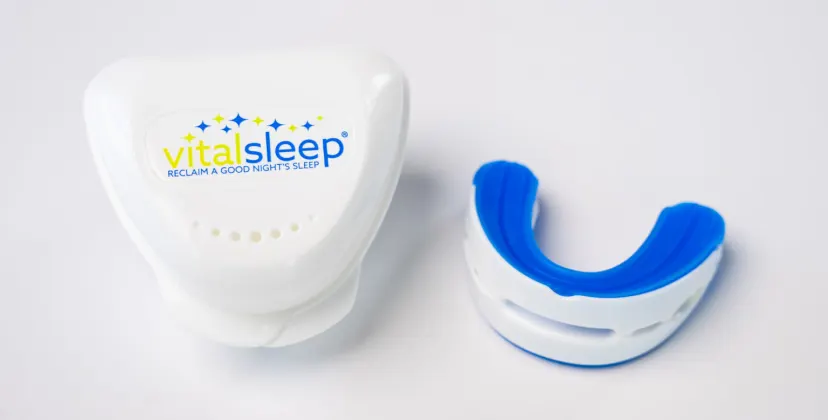
Sleep Hygiene 101: A Guide for Snorers
Next, avoiding alcohol and sedatives before bedtime can also help reduce snoring. These substances can relax the muscles in the throat, making it easier for them to collapse and obstruct the airway. Additionally, smoking can irritate the throat and cause inflammation, leading to snoring. Quitting smoking can not only improve snoring but also has numerous other health benefits.
Another important aspect of good sleep hygiene is having a comfortable sleep environment. This includes using a comfortable and supportive pillow and mattress, keeping the bedroom cool and dark, and reducing noise levels. For snorers, elevating the head of the bed by a few inches can also help reduce snoring by keeping the airway open.
In addition to external factors, snorers can also practice certain habits and exercises to reduce snoring. One effective exercise is singing. Singing helps strengthen the muscles in the throat and can reduce snoring. Another useful habit is sleeping on your side instead of your back. Sleeping on your back can cause the tongue to fall back and obstruct the airway, leading to snoring. Using nasal strips or a nasal dilator can also help open up the nasal passages and reduce snoring.
Snorers should also pay attention to their sleep schedule and make sure to get enough sleep each night. Lack of sleep can lead to fatigue and irritability, which can make snoring worse. It is recommended to aim for at least 7-9 hours of sleep each night for adults. Additionally, maintaining a regular sleep schedule, even on weekends, can help improve sleep quality.
In some cases, snoring may be a symptom of a more serious health issue, such as sleep apnea. If snoring is accompanied by excessive daytime sleepiness, morning headaches, or pauses in breathing during sleep, it is important to consult a doctor for further evaluation and treatment. Sleep apnea can increase the risk of heart disease, stroke, and other health problems if left untreated.
In conclusion, snoring can be a nuisance for both the snorer and their partner, but it can also be a sign of underlying health issues. Practicing good sleep hygiene can help reduce snoring and improve the quality of sleep for snorers. This includes maintaining a healthy weight, avoiding alcohol and smoking, creating a comfortable sleep environment, and practicing certain habits and exercises. By following these tips, snorers can improve their sleep quality and overall health.