
Blog Post: Maximizing the Effectiveness of CPAP Therapy for Snoring
If you or your partner suffers from snoring, chances are you have heard of CPAP therapy as a potential solution. CPAP (Continuous Positive Airway Pressure) therapy is a common treatment for obstructive sleep apnea, a condition where the airway becomes blocked during sleep, causing disrupted breathing and snoring. While CPAP therapy has been proven to be effective in treating snoring, it is not a one-size-fits-all solution. In this blog post, we will discuss tips and strategies for maximizing the effectiveness of CPAP therapy for snoring.
1. Find the Right Fit
The first step in maximizing the effectiveness of CPAP therapy is to find the right fit for your needs. CPAP machines come in various shapes and sizes, and it is essential to find one that is comfortable and fits your face and head properly. A mask that is too big or too small can cause discomfort and lead to air leaks, which can affect the effectiveness of the therapy. It is recommended to try out different masks and consult with your healthcare provider to find the right fit for you.
2. Keep Your Equipment Clean
It is crucial to keep your CPAP equipment clean to ensure its effectiveness. Bacteria and germs can build up in the mask, tubing, and humidifier, leading to infections and respiratory issues. It is recommended to clean your equipment daily with mild soap and warm water, and replace the filters and tubing regularly as per the manufacturer’s instructions.
3. Use Distilled Water
If your CPAP machine has a built-in humidifier, it is essential to use distilled water instead of tap water. Tap water can contain minerals and other contaminants that can build up in the humidifier and cause health issues. Using distilled water will ensure that your equipment stays clean and functioning correctly.
4. Wear Your Mask Consistently
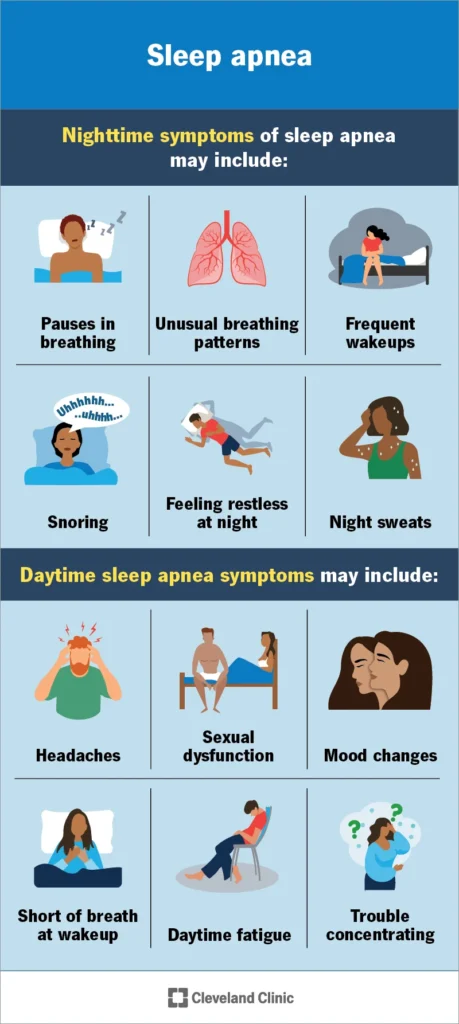
Maximizing the Effectiveness of CPAP Therapy for Snoring
Consistency is key in maximizing the effectiveness of CPAP therapy. Many people tend to remove their mask in the middle of the night due to discomfort or feeling claustrophobic. However, it is essential to wear the mask consistently throughout the night to see positive results. It may take some time to get used to wearing a mask while sleeping, but with patience and practice, it can become a comfortable routine.
5. Adjust the Pressure Settings
CPAP machines have adjustable pressure settings, and it is crucial to have them set correctly for your needs. If the pressure is too low, it may not effectively keep your airway open, and if it is too high, it can cause discomfort and lead to air leaks. It is recommended to work with your healthcare provider to find the appropriate pressure setting for you based on your sleep study results.
6. Monitor Your Sleeping Habits
CPAP therapy can be a significant lifestyle change, and it is essential to monitor your sleeping habits to ensure you are getting the most out of it. This includes keeping a sleep diary to track your sleep patterns, such as the time you go to bed, how long it takes you to fall asleep, and how often you wake up during the night. It is also essential to avoid alcohol and heavy meals close to bedtime, as they can affect the quality of your sleep.
7. Maintain a Healthy Weight
Obesity is a common risk factor for snoring and sleep apnea. If you are overweight, losing weight can significantly improve the effectiveness of CPAP therapy. Extra weight can put pressure on the airway, making it more difficult for the CPAP machine to keep it open. By maintaining a healthy weight through proper diet and exercise, you can see a significant reduction in snoring and an improvement in your sleep quality.
8. Be Patient and Persistent
Like any treatment, CPAP therapy takes time and patience to see results. It may take a few weeks or even months to adjust to the therapy and see significant improvements in your snoring and sleep quality. It is essential to be persistent and not give up on the treatment too soon. If you are experiencing issues with the therapy, consult with your healthcare provider to find solutions and make adjustments as necessary.
In summary, CPAP therapy can be a highly effective treatment for snoring, but it is essential to maximize its effectiveness by finding the right fit, keeping your equipment clean, wearing your mask consistently, adjusting pressure settings, monitoring your sleeping habits, maintaining a healthy weight, and being patient and persistent. By following these tips and strategies, you can improve your sleep quality and say goodbye to snoring.