
Summary:
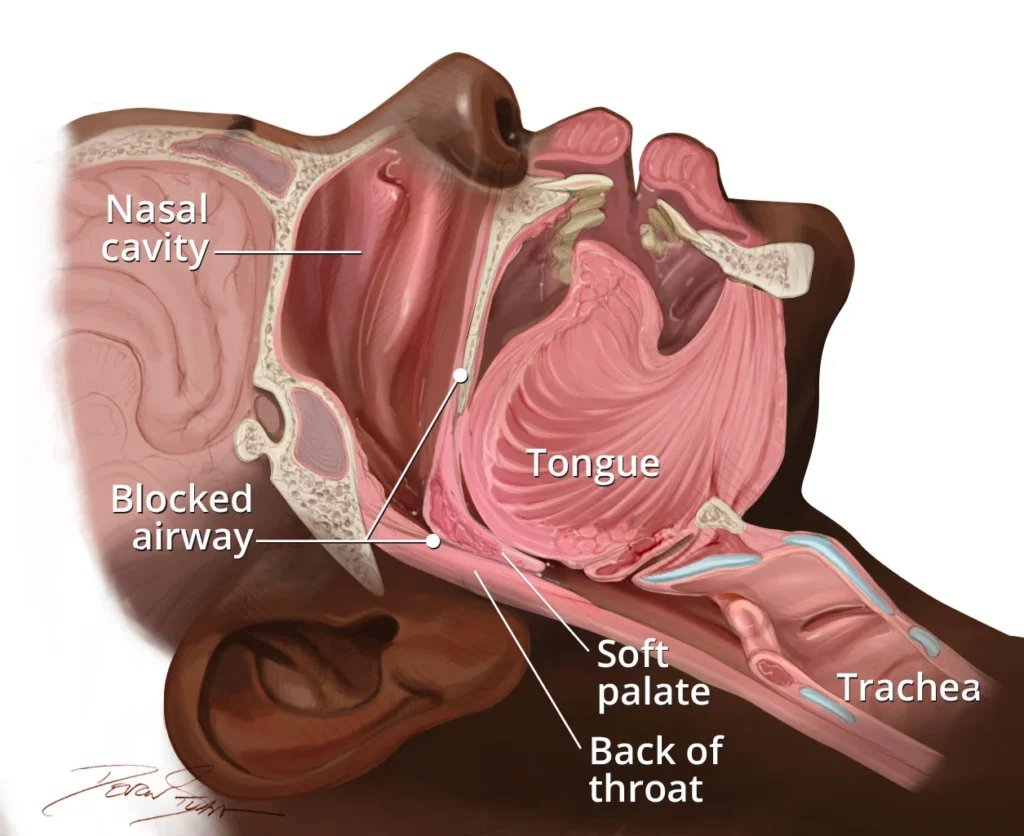
Snoring is a common problem that affects both the snorer and their sleeping partner. It is often caused by the relaxation of the muscles in the throat, which leads to the narrowing of the airway and the vibration of tissues. Snoring not only disrupts the quality of sleep but can also lead to serious health issues, such as sleep apnea. While there are various methods to reduce snoring, positional therapy has emerged as a promising solution.
Positional therapy involves changing the sleeping position to prevent the collapse of the airway and reduce snoring. It can be done in different ways, such as using specialized pillows, wearing positional belts, or using positional therapy devices. These methods aim to keep the snorer from sleeping on their back, which is the most common position associated with snoring.
One of the most effective positional therapy devices is the Zzoma Positional Therapy Device. It is a small, lightweight device that is worn around the chest and back, keeping the snorer in a side-sleeping position. This position helps to keep the airway open and reduces snoring. The Zzoma device is comfortable, easy to use, and has been clinically proven to reduce snoring and improve sleep quality.
Breaking the Habit: Using Positional Therapy to Stop Snoring
Another popular positional therapy device is the Philips SmartSleep Snoring Relief Band. This device uses positional feedback technology to detect when the snorer is sleeping on their back and gently vibrates to encourage them to change positions. It is a non-invasive and comfortable solution that has shown significant improvements in snoring reduction.
In addition to devices, there are also exercises and techniques that can be used to encourage positional therapy. These include tongue and throat exercises, yoga poses, and sleeping on a reclining bed. These methods aim to strengthen the muscles in the throat and promote side-sleeping, which can lead to a decrease in snoring.
Aside from devices and exercises, there are also lifestyle changes that can help reduce snoring. These include maintaining a healthy weight, avoiding alcohol and sedatives before bedtime, and quitting smoking. These changes can improve overall health and reduce snoring by reducing the relaxation of throat muscles.
While positional therapy has shown great promise in reducing snoring, it may not work for everyone. It is important to consult a doctor before trying any positional therapy methods, especially for those with underlying medical conditions. A doctor can also recommend the most suitable device or technique for each individual’s specific needs.
In conclusion, snoring is a common problem that can cause sleep disruptions and lead to serious health issues. Positional therapy has emerged as an effective solution to reduce snoring by encouraging side-sleeping and keeping the airway open. With the use of devices, exercises, and lifestyle changes, snorers can find relief and improve their overall sleep quality.