
Blog Post Title: How Losing Weight Can Help Stop Your Snoring
Summary:
Snoring is a common problem that affects millions of people worldwide. While occasional snoring may not be a cause for concern, chronic snoring can lead to serious health issues such as sleep apnea, high blood pressure, and heart disease. Many factors can contribute to snoring, including excess weight. In fact, obesity is one of the leading causes of snoring. However, the good news is that losing weight can help stop your snoring and improve your overall health.
In this blog post, we will discuss the connection between weight and snoring and how shedding a few pounds can have a significant impact on your snoring. We will also explore some effective ways to lose weight and reduce snoring, so keep reading to find out more.
The Link Between Weight and Snoring:
Excess weight, especially around the neck and throat area, can put pressure on the airways and cause them to narrow, leading to snoring. When we gain weight, the fat deposits in our body also accumulate in the throat, making it more difficult for air to pass through. This results in vibrations in the throat tissues, which produce the snoring sound.
Moreover, obesity can also cause the muscles in the upper airway to become weaker, making them more likely to collapse during sleep and obstruct the airways. This obstruction causes snoring and can also lead to a condition called sleep apnea, where the breathing stops and starts repeatedly during sleep.
How Losing Weight Can Help:
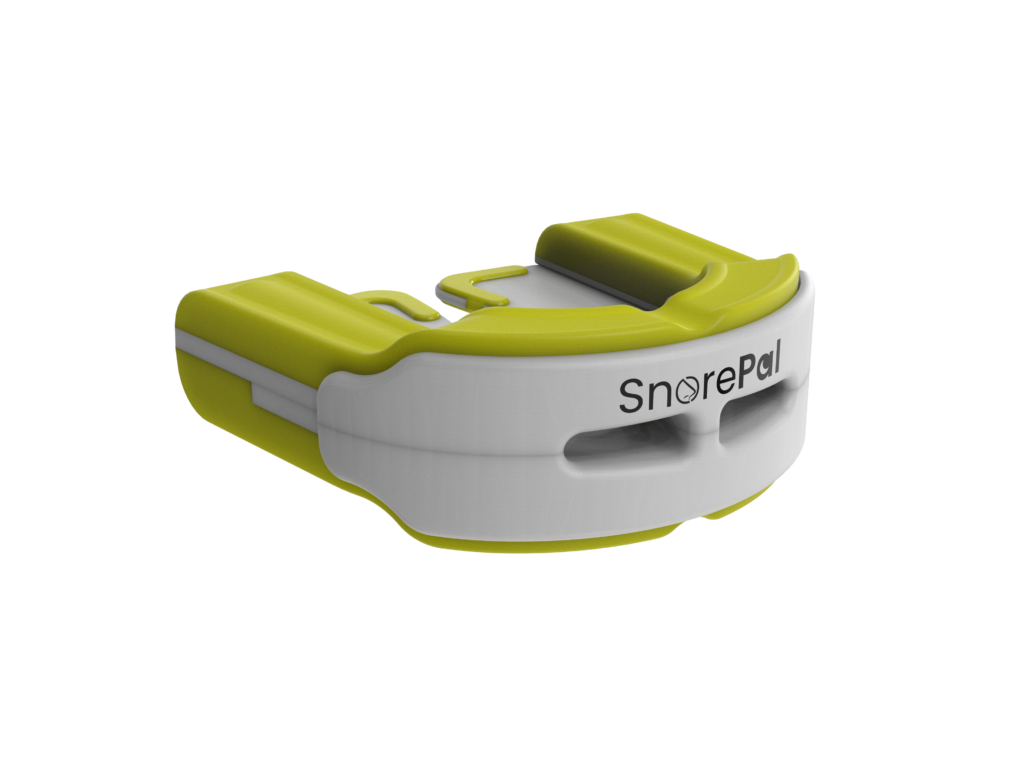
How Losing Weight Can Help Stop Your Snoring
Losing weight can significantly reduce snoring or even eliminate it altogether. When we shed excess pounds, we also lose the fat deposits in our throat, which can open up the airways and allow for smoother breathing. This reduces the vibrations in the throat tissues, leading to less snoring.
Moreover, losing weight can also improve the strength of the muscles in the upper airway, reducing the risk of them collapsing and causing snoring. This can also help prevent sleep apnea and improve overall sleep quality.
Effective Ways to Lose Weight and Reduce Snoring:
1. Follow a Healthy Diet:
One of the best ways to lose weight is by following a healthy diet. This involves reducing your calorie intake and focusing on whole, nutritious foods such as fruits, vegetables, lean proteins, and whole grains. Avoid processed and high-fat foods, as they can contribute to weight gain and worsen snoring.
2. Exercise Regularly:
Regular physical activity is crucial for weight loss and can also help strengthen the muscles in the upper airway. Aim for at least 30 minutes of moderate to vigorous exercise each day, such as walking, jogging, or cycling.
3. Avoid Eating Late at Night:
Eating late at night can lead to weight gain and increase the risk of snoring. This is because when we lie down to sleep, the food in our stomach can put pressure on the diaphragm, making it more difficult to breathe. Avoid eating at least 2-3 hours before bedtime.
4. Limit Alcohol and Smoking:
Both alcohol and smoking can contribute to snoring and weight gain. Alcohol relaxes the throat muscles, making them more likely to collapse, while smoking can irritate the throat and cause swelling, leading to snoring. Limit or avoid these habits to reduce snoring and improve overall health.
5. Consider Weight Loss Surgery:
In some cases, weight loss surgery may be recommended for those who are severely obese and have not been successful in losing weight through diet and exercise. This surgery can help reduce snoring and improve overall health, but it should only be considered after consulting with a doctor.
In conclusion, losing weight can have a significant impact on reducing snoring and improving overall health. By following a healthy diet, exercising regularly, avoiding late-night eating, and limiting alcohol and smoking, you can shed excess pounds and breathe easier at night. However, if snoring persists even after weight loss, it is essential to consult a doctor for further evaluation and treatment.