
The Science Behind Weight Loss and Snoring
Weight loss and snoring are two common health concerns that many people struggle with. While they may seem unrelated, there is actually a strong connection between the two. In this blog post, we will dive into the science behind weight loss and snoring, and how they are linked.
Weight Loss and Snoring: What is the Connection?
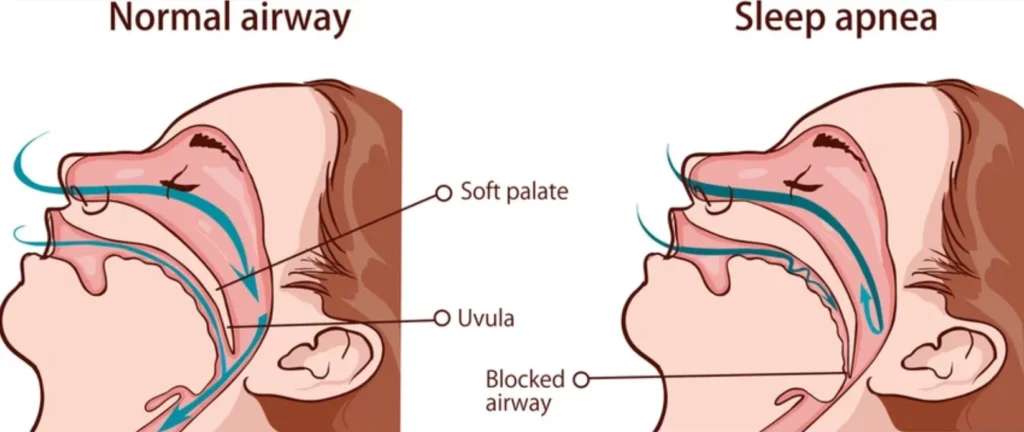
First, let’s define what snoring is. Snoring is the hoarse or harsh sound that occurs when air flows past relaxed tissues in your throat, causing the tissues to vibrate. This can happen while you are awake or asleep, but it is most common during sleep.
On the other hand, weight loss refers to the process of losing body fat or excess weight. While many people may focus on weight loss for aesthetic reasons, it is also crucial for overall health and well-being.
So, what is the connection between these two? The answer lies in the anatomy of our respiratory system. When we gain weight, especially in the neck and chest area, it can lead to narrowing of the airway. This means that there is less space for air to flow freely, causing the soft tissues in the throat to vibrate and create the snoring sound.
Moreover, excess weight can also put pressure on the diaphragm, making it harder for the lungs to expand and contract properly. This can result in shallow breathing and disruptions in sleep, leading to snoring.
The Role of Body Fat in Snoring
Body fat plays a significant role in snoring. As we mentioned earlier, excess weight in the neck and chest area can cause the airway to narrow, leading to snoring. But there is also a link between body fat and inflammation in the body, which can contribute to snoring.
Studies have shown that people with a higher body mass index (BMI) are more likely to have inflammation in their airways. This inflammation can cause the airway to become swollen and narrow, making it harder to breathe and increasing the chances of snoring.
Furthermore, body fat can also affect the hormones in our body. Hormones, such as leptin and ghrelin, play a role in regulating our appetite and metabolism. When we have excess body fat, these hormones can become imbalanced, leading to increased hunger and slower metabolism. This can contribute to weight gain, which, as we know, can lead to snoring.
The Impact of Snoring on Weight Loss
While excess weight can contribute to snoring, snoring can also impact weight loss efforts. Snoring can disrupt sleep, leading to poor sleep quality and less restorative sleep. This, in turn, can affect our hormones, making it harder to lose weight.
The Science Behind Weight Loss and Snoring
Moreover, snoring can also cause daytime fatigue and sleepiness, making it challenging to find the motivation to exercise and make healthy food choices. It can also affect our mood and energy levels, making us more prone to stress eating and making unhealthy food choices.
How to Break the Cycle: Weight Loss and Snoring
Now that we understand the connection between weight loss and snoring, it’s essential to address how we can break the cycle and improve both our weight and snoring.
1. Focus on a Healthy Diet
The first step towards weight loss is to focus on a healthy and balanced diet. Eating a diet rich in fruits, vegetables, whole grains, and lean proteins can help you lose excess weight and reduce inflammation in the body. Reducing processed and high-fat foods can also help improve hormone balance and reduce snoring.
2. Exercise Regularly
Regular exercise is crucial for weight loss, but it can also help reduce snoring. Exercise can help strengthen the muscles in the throat, making it less likely for them to relax and vibrate during sleep. It can also improve overall sleep quality and reduce daytime fatigue.
3. Quit Smoking and Limit Alcohol Intake
Smoking and excessive alcohol consumption can contribute to weight gain and increase the chances of snoring. Quitting smoking and limiting alcohol intake can improve overall health and reduce snoring.
4. Consider Weight Loss Programs
For individuals struggling with significant weight loss, a structured weight loss program may be beneficial. These programs can help you make sustainable lifestyle changes and provide support and guidance throughout your weight loss journey.
5. Seek Treatment for Snoring
If snoring is significantly impacting your quality of life, it’s essential to seek treatment. There are various treatment options available, such as oral appliances, CPAP machines, and surgery, depending on the severity and underlying cause of snoring.
In conclusion, weight loss and snoring are closely linked, and addressing one can have a significant impact on the other. By understanding the science behind this connection, we can take steps towards improving our overall health and well-being.