
From Snoring to Silent Nights: The Weight Loss Solution
Snoring is a common problem that affects millions of people worldwide. Not only does it disrupt your sleep and that of your partner, but it can also be a sign of underlying health issues. Many people turn to various solutions such as nasal strips, mouth guards, and even surgery to combat snoring. However, what most people don’t realize is that weight loss can be the ultimate solution to snoring.
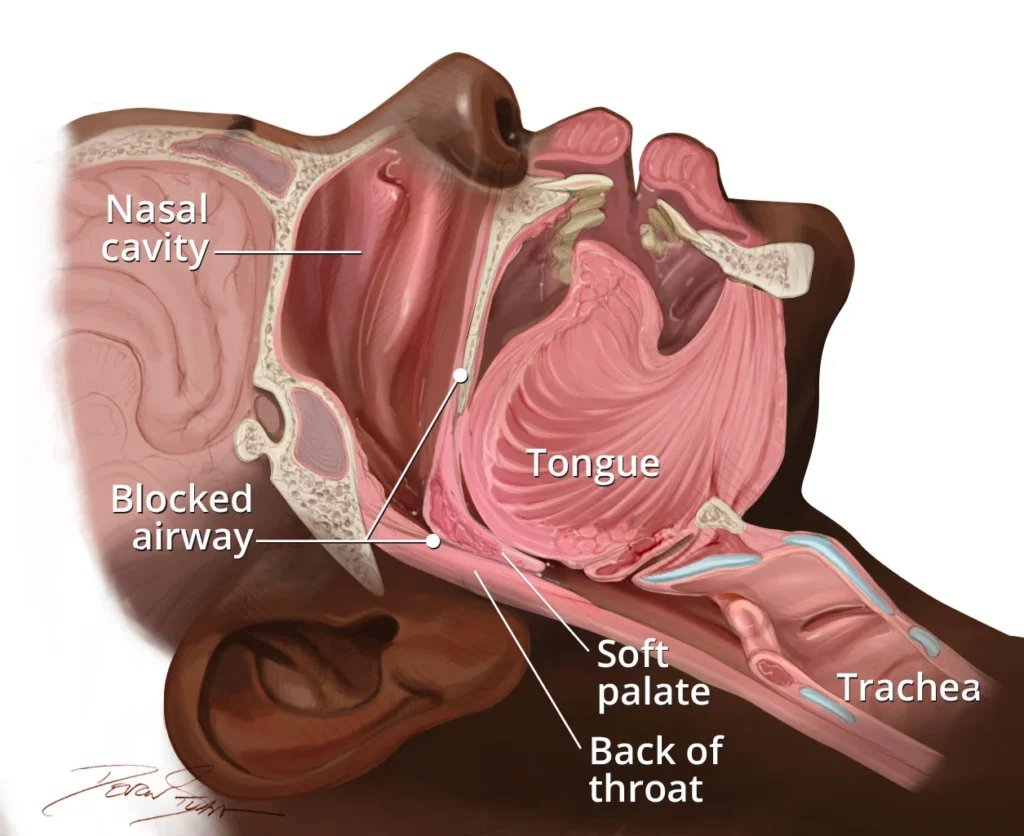
Being overweight or obese is one of the main risk factors for snoring. The excess fat around the neck and throat can put pressure on the airway, causing it to narrow and vibrate during sleep, resulting in snoring. Additionally, being overweight can also lead to other health issues such as sleep apnea, which is characterized by pauses in breathing during sleep.
So, how can weight loss help with snoring? Let’s take a closer look at the connection between the two and how shedding those extra pounds can lead to silent nights.
1. Reduced Neck Circumference
One of the most significant ways in which weight loss helps with snoring is by reducing neck circumference. As mentioned earlier, excess fat around the neck can put pressure on the airway, causing it to narrow and vibrate during sleep. By losing weight, you can reduce the fat around your neck, thus reducing the pressure on your airway and preventing snoring.
2. Improved Muscle Tone
Apart from reducing fat, weight loss can also improve muscle tone, particularly in the throat and neck area. When these muscles are stronger, they are less likely to collapse during sleep, keeping the airway open and reducing the risk of snoring.
3. Prevention of Sleep Apnea
As mentioned earlier, being overweight or obese is a significant risk factor for sleep apnea. This condition is characterized by pauses in breathing during sleep and can lead to serious health problems if left untreated. Weight loss can help prevent sleep apnea by reducing the pressure on the airway and improving overall respiratory function.
4. Better Sleep Quality
Losing weight can also lead to better sleep quality, which can indirectly help with snoring. When you are overweight, you are more likely to experience disrupted sleep due to factors such as sleep apnea, acid reflux, and other health issues. By shedding those extra pounds, you can improve your overall sleep quality, leading to a reduction in snoring.
5. Improved Overall Health
From Snoring to Silent Nights: The Weight Loss Solution
Apart from its direct impact on snoring, weight loss can also improve your overall health. Being overweight or obese can increase your risk of developing other health issues such as high blood pressure, diabetes, and heart disease. These conditions can also contribute to snoring. By losing weight, you can reduce the risk of these health issues, leading to better sleep and reduced snoring.
Now that we understand the connection between weight loss and snoring, let’s explore some tips for losing weight and achieving silent nights.
1. Eat a Healthy Diet
A healthy diet is crucial for weight loss. Focus on incorporating plenty of fruits, vegetables, lean proteins, and whole grains into your meals, while limiting your intake of processed and high-fat foods. Additionally, try to reduce your portion sizes and avoid eating late at night, as this can contribute to weight gain and snoring.
2. Exercise Regularly
Regular exercise is essential for weight loss and overall health. Aim for at least 30 minutes of moderate to vigorous exercise, such as walking, running, or cycling, five days a week. Not only will this help you shed pounds, but it can also improve your muscle tone, leading to reduced snoring.
3. Get Enough Sleep
Getting enough sleep is crucial for weight loss and overall health. Lack of sleep can disrupt your hormones, leading to increased appetite and weight gain. Additionally, not getting enough sleep can also worsen snoring. Aim for seven to nine hours of quality sleep each night.
4. Reduce Stress
Stress can lead to emotional eating and weight gain, which can contribute to snoring. Find ways to reduce your stress levels, such as practicing relaxation techniques like meditation or yoga, and engaging in activities you enjoy.
5. Seek Professional Help
If you have tried various weight loss methods and are still struggling to lose weight, consider seeking professional help. A registered dietitian or a personal trainer can help create a personalized plan to help you reach your weight loss goals.
In conclusion, weight loss can be the ultimate solution for snoring. By reducing neck circumference, improving muscle tone, preventing sleep apnea, and improving overall health, losing weight can lead to silent nights. By following a healthy diet, exercising regularly, getting enough sleep, reducing stress, and seeking professional help, you can achieve your weight loss goals and say goodbye to snoring.