
Blog Post:
A peaceful night’s sleep is essential for our physical and mental well-being. However, snoring can interfere with our ability to get a good night’s rest. Not only does it disturb our own sleep, but it can also disrupt our partner’s sleep and lead to relationship problems. Fortunately, there are various tips and techniques that can help us reduce or eliminate snoring and achieve a peaceful night’s sleep. In this blog post, we will discuss some effective ways to stop snoring and have a restful night.
1. Change your sleeping position:
The most common cause of snoring is sleeping on your back. When we sleep on our back, the muscles in our throat relax and can block our airway, causing snoring. To prevent this, try sleeping on your side or stomach. You can also use a body pillow or wedge pillow to keep you in a side-sleeping position throughout the night.
2. Use a humidifier:
Dry air can irritate our nasal and throat tissues, leading to snoring. Using a humidifier in your bedroom can add moisture to the air, reducing congestion and opening up your airways. This can help reduce snoring and promote a peaceful sleep.
3. Keep your bedroom clean:
Dust and allergens in our bedroom can contribute to snoring. Make sure to regularly clean your bedroom and change your bedding to reduce the amount of dust and allergens in the air. You can also invest in an air purifier to improve the air quality in your bedroom.
4. Avoid alcohol and sedatives:
Alcohol and sedatives can relax the muscles in our throat, making snoring more likely. Avoid consuming these substances close to bedtime to reduce the chance of snoring. Instead, opt for a calming herbal tea or warm milk to help you relax and sleep better.
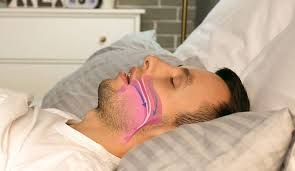
Tips for a Peaceful Night's Sleep Without Snoring
5. Stay hydrated:
Dehydration can cause our nasal and throat tissues to become dry and swollen, leading to snoring. Make sure to drink plenty of water throughout the day to keep yourself hydrated and reduce the likelihood of snoring at night.
6. Use nasal strips:
Nasal strips can help open up our nasal passages, making it easier to breathe through our nose and reducing snoring. These strips are placed on the bridge of our nose and work by pulling our nostrils open, providing more space for air to flow through.
7. Try throat exercises:
Just like any other muscle in our body, the muscles in our throat can benefit from regular exercises. Strengthening these muscles can help prevent them from collapsing and blocking our airway, reducing snoring. Some simple throat exercises include singing, pronouncing vowel sounds, and repeating tongue twisters.
8. Quit smoking:
Smoking can irritate our throat and nasal tissues, leading to congestion and snoring. Quitting smoking not only has numerous health benefits but can also help improve our sleep quality by reducing snoring.
9. Use a snoring mouthpiece:
A snoring mouthpiece, also known as a mandibular advancement device, can help keep our airway open by gently pushing our lower jaw forward. This can help prevent snoring and promote a peaceful night’s sleep.
10. Consult a doctor:
If snoring persists despite trying these tips, it is essential to consult a doctor. Snoring can sometimes be a sign of a more serious underlying condition, such as sleep apnea. A doctor can diagnose and treat any underlying issues that may be causing snoring.
In summary, snoring can be a frustrating and disruptive issue that can interfere with our ability to get a good night’s sleep. However, by following these tips, we can reduce or eliminate snoring and achieve a peaceful night’s sleep. Remember to change your sleeping position, use a humidifier, keep your bedroom clean, avoid alcohol and sedatives, stay hydrated, use nasal strips, try throat exercises, quit smoking, use a snoring mouthpiece, and consult a doctor if needed. With these tips, you can say goodbye to snoring and hello to a peaceful night’s sleep.