
Snoring is a common problem that affects millions of people worldwide. It can be disruptive to not only the snorer but also their partner and anyone else sharing a room with them. As a result, there is a lot of information, advice, and myths surrounding snoring and its causes. One of the most popular beliefs is that sleeping on your side can help reduce or eliminate snoring. However, is this really true? In this blog post, we will debunk the myths surrounding side sleeping and its effects on snoring.
Myth #1: Side sleeping eliminates snoring completely.
Many people believe that sleeping on their side can completely eliminate snoring. This is not entirely true. While it is true that side sleeping can help reduce snoring, it does not guarantee that it will completely eliminate it. Snoring can be caused by various factors, such as obesity, allergies, or sleep apnea, which cannot be solved simply by changing your sleeping position. However, for some people, side sleeping can significantly reduce snoring as it helps keep the airway open and allows for better airflow.
Myth #2: Only sleeping on the left side can prevent snoring.
Another common myth is that only sleeping on the left side can prevent snoring. This belief stems from the fact that the human anatomy is slightly asymmetrical, and the heart is located towards the left side of the body. Therefore, sleeping on the left side can aid in the circulation of blood and reduce pressure on the heart, leading to a better night’s sleep. However, there is no scientific evidence to support the claim that sleeping on the left side is more effective in preventing snoring than sleeping on the right side. The key is to find a side sleeping position that is comfortable for you.
Myth #3: Side sleeping leads to shoulder pain.
Some people avoid sleeping on their side because they believe it will lead to shoulder pain. While this can be true for some individuals, it is not a general rule. Shoulder pain can be caused by various factors, such as an underlying medical condition or an unsupportive mattress. Sleeping on a supportive mattress and using pillows to support the head, neck, and shoulders can help alleviate any discomfort and prevent shoulder pain.
Myth #4: Pregnant women should only sleep on their left side.
Pregnant women are often advised to sleep on their left side to improve blood flow to the fetus and reduce the risk of stillbirth. However, this does not mean that they should only sleep on their left side. As mentioned earlier, the human anatomy is slightly asymmetrical, and sleeping on either side can be beneficial for pregnant women. The key is to find a comfortable sleeping position that allows for proper blood flow and does not put pressure on the growing belly.
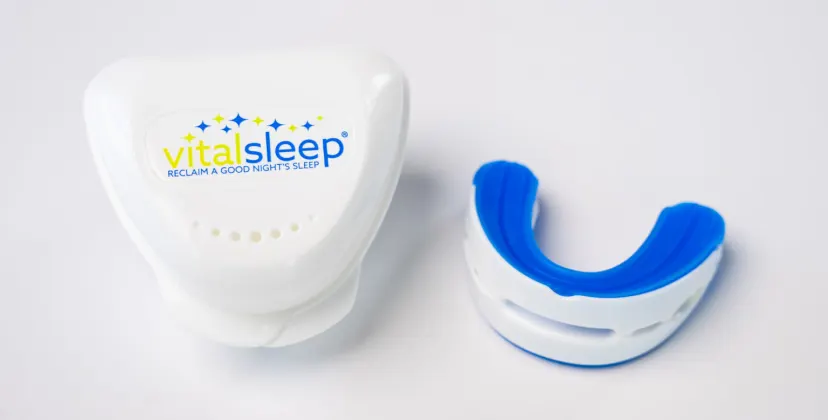
Snoring Myths Debunked: The Truth About Side Sleeping
Myth #5: Side sleeping can cause wrinkles.
One of the most common beauty myths surrounding side sleeping is that it can cause wrinkles. The logic behind this belief is that sleeping on one side of the face can cause the skin to crease, leading to wrinkles over time. While it is true that sleeping on one side can cause temporary creases on the skin, it is not a significant cause of wrinkles. Wrinkles are mainly caused by factors such as aging, sun exposure, and genetics. So, you can continue to sleep on your side without worrying about wrinkles.
Myth #6: Side sleeping causes acid reflux.
Many people believe that sleeping on their side can cause acid reflux or heartburn. However, this is not entirely true. Acid reflux is caused by the stomach acids moving up into the esophagus, and it can be exacerbated by lying flat on your back. Sleeping on your side can actually help prevent acid reflux as it allows gravity to keep the stomach contents in place. However, if you suffer from acid reflux, it is best to avoid eating close to bedtime and elevate your head while sleeping to reduce symptoms.
Myth #7: Side sleeping is the only solution for snoring.
While side sleeping can be beneficial for reducing snoring, it is not the only solution. As mentioned earlier, snoring can be caused by various factors, and changing your sleeping position may not be enough to eliminate the problem. If you or your partner suffer from chronic snoring, it is essential to consult a doctor to determine the underlying cause and find a suitable treatment plan.
In conclusion, side sleeping can be a helpful factor in reducing snoring, but it is not a foolproof solution. It is essential to understand that snoring can have various causes, and changing your sleeping position may not be enough to eliminate it entirely. However, side sleeping can aid in keeping the airway open and improve airflow, making it a viable option to try. Additionally, it is crucial to find a comfortable sleeping position that works for you and to address any underlying issues that may be causing snoring.
In summary, side sleeping is not a guaranteed solution for snoring, but it can be beneficial in reducing it. It is important to understand the various factors that can contribute to snoring and to consult a doctor for proper diagnosis and treatment. Side sleeping may not work for everyone, but it is worth trying as it can lead to a better night’s sleep for both the snorer and their partner.