
Blog Post Title: Sleep Apnea Relief: How Mouthguards Can Improve Your Quality of Sleep
Sleep apnea is a common sleep disorder that affects millions of people worldwide. It is characterized by pauses in breathing or shallow breaths during sleep, leading to disrupted sleep patterns and poor quality of sleep. While there are various treatment options available for sleep apnea, one effective and non-invasive solution is the use of mouthguards. In this blog post, we will explore how mouthguards can help relieve sleep apnea and improve the quality of your sleep.
Understanding Sleep Apnea
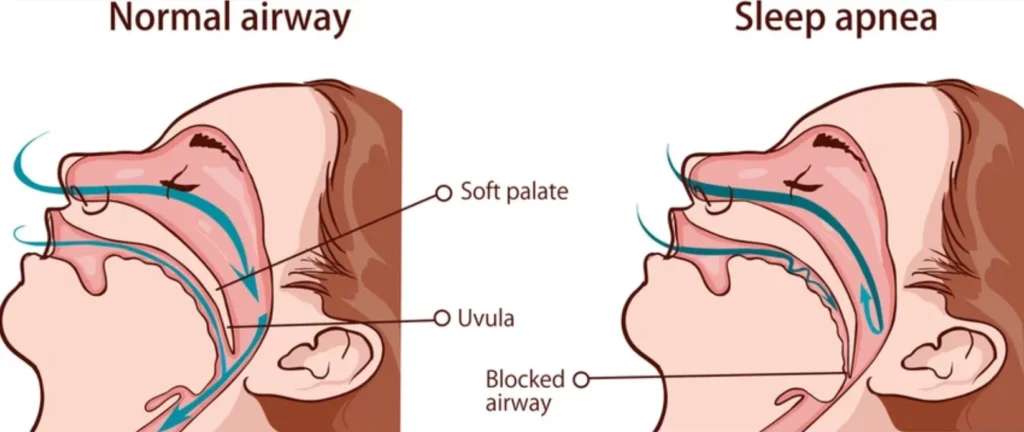
Before we dive into the benefits of mouthguards, it is essential to understand what sleep apnea is and its causes. Sleep apnea is a condition that causes a person’s breathing to repeatedly stop and start during sleep. This happens when the muscles in the throat relax and block the airway, leading to pauses in breathing. The most common type of sleep apnea is obstructive sleep apnea (OSA), which occurs due to the collapse of the soft tissue at the back of the throat. Some of the risk factors for sleep apnea include obesity, smoking, family history, age, and certain medical conditions such as diabetes and high blood pressure.
Symptoms of Sleep Apnea
The most common symptom of sleep apnea is loud snoring, but other signs and symptoms include gasping or choking during sleep, morning headaches, daytime sleepiness, irritability, and difficulty concentrating. If left untreated, sleep apnea can lead to serious health problems such as high blood pressure, heart disease, and stroke. Moreover, the constant interruptions in sleep can leave a person feeling exhausted and fatigued, affecting their overall quality of life.
How Mouthguards Can Help
Mouthguards, also known as oral appliances, are custom-made devices that fit over the teeth and are worn during sleep. They are designed to keep the airway open by moving the lower jaw forward, preventing the collapse of the soft tissue at the back of the throat. This helps to maintain a steady flow of air and reduces the pauses in breathing, providing relief for those with sleep apnea.
Types of Mouthguards
There are various types of mouthguards available, and the type recommended by your dentist will depend on the severity of your sleep apnea. The most common type is the mandibular advancement device (MAD), which resembles a sports mouthguard and is worn over the top and bottom teeth. MADs have adjustable settings to gradually move the jaw forward, and they are known to be effective in treating mild to moderate sleep apnea.
Sleep Apnea Relief: How Mouthguards Can Improve Your Quality of Sleep
Another type of mouthguard is the tongue retaining device (TRD), which is a suction cup that holds the tongue in place to prevent it from blocking the airway. TRDs are suitable for those with mild sleep apnea or who have trouble tolerating a MAD. Lastly, there are hybrid devices that combine the features of both MADs and TRDs for maximum effectiveness.
Benefits of Using Mouthguards for Sleep Apnea
One of the main benefits of using mouthguards for sleep apnea is improved sleep quality. By keeping the airway open, mouthguards can reduce the frequency of pauses in breathing, allowing for uninterrupted sleep. This can lead to improved energy levels, mood, and overall well-being. Moreover, using a mouthguard can also reduce the risk of developing serious health conditions associated with sleep apnea, such as heart disease and stroke.
In addition, mouthguards are a non-invasive and comfortable alternative to other treatment options for sleep apnea, such as continuous positive airway pressure (CPAP) machines. While CPAP machines use a mask and air pressure to keep the airway open, many people find them uncomfortable and have trouble adjusting to them. Mouthguards, on the other hand, are custom-made to fit the individual’s mouth, making them more comfortable to wear.
Tips for Using Mouthguards
To ensure the effectiveness of mouthguards, it is essential to follow these tips for proper use:
1. Get a custom-made mouthguard from your dentist, as it will fit better and be more comfortable to wear.
2. Clean your mouthguard regularly to prevent bacteria buildup.
3. Replace your mouthguard as recommended by your dentist to ensure it is in good condition and functioning properly.
4. Do not adjust the settings of your mouthguard without consulting your dentist.
5. If you experience any discomfort or changes in your sleep apnea symptoms, consult your dentist.
In conclusion, sleep apnea can significantly impact a person’s quality of life, but there are effective treatment options available. Mouthguards have been proven to provide relief for sleep apnea and improve the quality of sleep. By keeping the airway open, mouthguards can reduce the frequency of breathing pauses and prevent the development of serious health conditions. If you are experiencing symptoms of sleep apnea, consult your dentist to see if a mouthguard is a suitable treatment option for you.
Summary:
– Sleep apnea is a common sleep disorder that causes pauses in breathing during sleep.
– Mouthguards, also known as oral appliances, can help relieve sleep apnea by keeping the airway open.
– There are various types of mouthguards, including MADs, TRDs, and hybrid devices.
– Using mouthguards can improve sleep quality, reduce the risk of health problems, and are a non-invasive and comfortable treatment option.
– To ensure the effectiveness of mouthguards, it is essential to get a custom-made one from your dentist and follow proper usage tips.