
Summary:
Snoring is a common problem that affects millions of people around the world. It can disrupt sleep, cause irritability, and even lead to more serious health issues. While there are many factors that can contribute to snoring, one potential solution is the use of mouthguards. In recent years, mouthguards have gained popularity as a way to reduce snoring and improve overall sleep quality. But what is the science behind this link between snoring and mouthguards? In this blog post, we will explore the science behind snoring and mouthguards, and how they can help each other in improving sleep quality.
The Anatomy of Snoring:
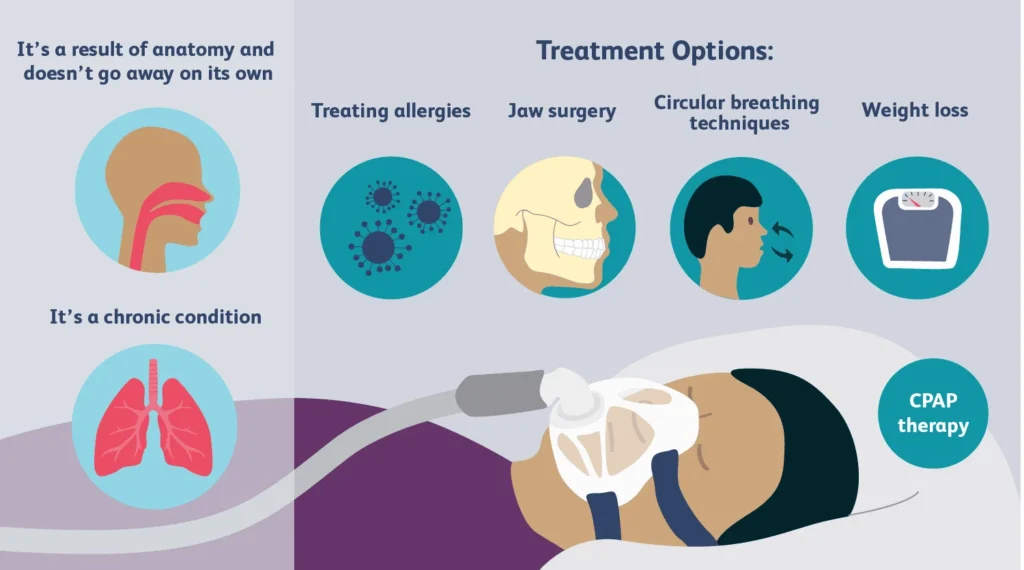
Before delving into the science behind snoring and mouthguards, it’s important to understand the anatomy of snoring. Snoring occurs when the muscles and tissues in the back of the throat relax, narrowing the airway. As air passes through this narrowed airway, it causes the surrounding tissues to vibrate, resulting in the characteristic snoring sound. This narrowing can be caused by various factors, such as obesity, nasal congestion, and the position of the tongue and jaw.
The Role of Mouthguards:
Mouthguards, also known as oral appliances, are typically used to protect teeth and prevent teeth grinding during sleep. However, they have also been found to be effective in reducing snoring. So how exactly do they work? Mouthguards are designed to keep the airway open by slightly shifting the position of the jaw forward. This slight adjustment helps to prevent the collapse of the airway, reducing the vibrations that cause snoring.
Scientific Studies:
Several scientific studies have been conducted to explore the link between snoring and mouthguards. A study published in the Journal of Clinical Sleep Medicine found that mouthguards were effective in reducing both the frequency and intensity of snoring in people with mild to moderate sleep apnea. Another study published in the Journal of Dental Sleep Medicine showed that mouthguards significantly improved sleep quality and reduced snoring in people with obstructive sleep apnea.
The Link Between Snoring and Mouthguards: Exploring the Science
Types of Mouthguards:
There are various types of mouthguards available, each with its own unique design and function. The most commonly used mouthguards for snoring are mandibular advancement devices (MADs) and tongue retaining devices (TRDs). MADs work by holding the jaw in a slightly forward position, while TRDs hold the tongue in place to prevent it from falling back and blocking the airway. It’s important to consult with a dentist or sleep specialist to determine the most suitable type of mouthguard for individual needs.
Benefits of Using Mouthguards:
Apart from reducing snoring, mouthguards have several other benefits. They are non-invasive and easy to use, making them a more comfortable alternative to other snoring solutions, such as CPAP machines. Mouthguards are also portable and do not require any external power source, making them an ideal option for people who travel frequently. Additionally, they can also help improve overall sleep quality, leading to better energy levels and overall health.
Limitations of Mouthguards:
While mouthguards have shown to be effective in reducing snoring, they may not be suitable for everyone. People with severe sleep apnea may require a more advanced treatment, such as CPAP therapy. Mouthguards may also cause discomfort or jaw pain in some individuals. It’s important to consult with a healthcare professional before using a mouthguard to ensure it is the right solution for individual needs.
In Conclusion:
The link between snoring and mouthguards is a promising one, backed by scientific evidence. Mouthguards can help to keep the airway open and reduce the vibrations that cause snoring. However, it’s important to keep in mind that snoring can also be a symptom of a more serious condition, such as sleep apnea. It’s always best to consult with a healthcare professional to determine the underlying cause of snoring and find the most suitable treatment.
In summary, mouthguards can be an effective solution for reducing snoring and improving sleep quality. They work by keeping the airway open and preventing the vibrations that cause snoring. However, they may not be suitable for everyone and it’s important to seek professional advice before using them. With proper usage, mouthguards can help individuals get a good night’s sleep and improve their overall health and well-being.