
Silencing the Snore: The Effectiveness of Mouthguards
Snoring is a common problem that affects millions of people worldwide. Not only does it disrupt the sleep of the snorer, but it can also lead to sleep disturbances for their partner and other family members. While there are various methods to reduce snoring, one effective and non-invasive solution is the use of mouthguards. In this blog post, we will explore the effectiveness of mouthguards in silencing the snore and how they work to provide a peaceful sleep for both the snorer and their loved ones.
What Causes Snoring?
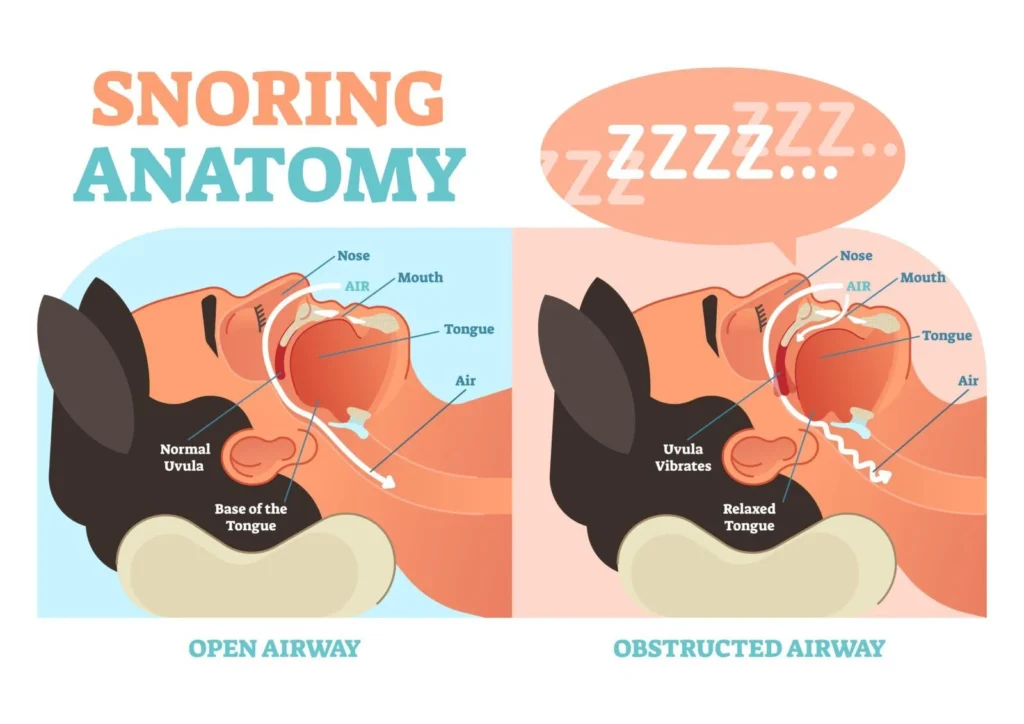
Before delving into the effectiveness of mouthguards, it is essential to understand what causes snoring. Snoring is the sound produced when the airflow through the mouth and nose is obstructed during sleep. This obstruction can be caused by various factors, including:
1. Narrowed airways: Some people have naturally narrower airways, making it easier for them to snore.
2. Nasal congestion: Allergies, colds, or sinus infections can cause the nasal passages to become blocked, leading to snoring.
3. Sleep position: Sleeping on your back can cause the tongue and soft palate to collapse back into the throat, obstructing the airway and causing snoring.
4. Excessive throat tissue: Extra weight or enlarged tonsils can contribute to snoring by narrowing the airway.
5. Alcohol consumption: Alcohol relaxes the muscles in the throat, leading to increased snoring.
How Do Mouthguards Work?
Mouthguards are oral devices designed to keep the airway open during sleep, allowing for uninterrupted breathing and preventing snoring. They work by positioning the jaw slightly forward, which keeps the tongue from falling back and blocking the airway. This forward position also helps to keep the throat muscles from relaxing and obstructing the airway, reducing the chances of snoring.
Types of Mouthguards
There are various types of mouthguards available, each with its own unique features and benefits. These include:
1. Mandibular Advancement Devices (MADs): These mouthguards are the most commonly used and are designed to hold the lower jaw slightly forward to keep the airway open.
Silencing the Snore: The Effectiveness of Mouthguards
2. Tongue Retaining Devices (TRDs): Unlike MADs, TRDs do not hold the jaw forward. Instead, they use suction to hold the tongue in place, preventing it from blocking the airway.
3. Boil-and-Bite Mouthguards: These are over-the-counter mouthguards that can be shaped to fit the individual’s mouth by boiling them and then biting down on them to create a custom fit.
4. Custom-made Mouthguards: These mouthguards are made by a dentist to fit the individual’s mouth perfectly and provide optimal comfort and effectiveness.
Effectiveness of Mouthguards in Silencing the Snore
Numerous studies have shown the effectiveness of mouthguards in reducing and even eliminating snoring. A study published in the Journal of Dental Sleep Medicine found that MADs were successful in reducing snoring in 90% of the participants. Another study published in the Sleep and Breathing Journal reported that TRDs were effective in reducing snoring in 79% of participants.
Not only do mouthguards reduce snoring, but they also improve the quality of sleep for both the snorer and their partner. By keeping the airway open, mouthguards allow for uninterrupted breathing, leading to a more restful sleep. This can result in increased energy levels, improved mood, and better overall health.
In addition to reducing snoring, mouthguards have also been found to be effective in treating obstructive sleep apnea (OSA). OSA is a severe sleep disorder where the airway becomes completely blocked, causing breathing to stop for short periods during sleep. By keeping the airway open, mouthguards can help to treat OSA and improve the quality of life for those suffering from this condition.
Tips for Using Mouthguards
To ensure the effectiveness of mouthguards, it is essential to follow these tips:
1. Get a custom-made mouthguard: While boil-and-bite mouthguards may be a more affordable option, they may not provide the same level of comfort and effectiveness as custom-made mouthguards.
2. Keep the mouthguard clean: Regularly clean the mouthguard with a toothbrush and toothpaste to prevent bacteria buildup.
3. Replace when necessary: Over time, mouthguards may wear out and become less effective. It is recommended to replace them every six months to a year.
4. Consult with a dentist: If you are unsure which type of mouthguard is best for you, consult with a dentist who can recommend the most suitable option based on your individual needs.
In conclusion, mouthguards are a highly effective solution for silencing the snore. They work by keeping the airway open during sleep, reducing snoring, and improving the quality of sleep for both the snorer and their partner. With various types of mouthguards available, it is important to consult with a dentist to determine the best option for your specific needs. Say goodbye to snoring and hello to a peaceful night’s sleep with the help of mouthguards.