
Say Goodbye to Snoring: The Effectiveness of Mouthguards
Snoring can be a major issue for both the snorer and their partners or roommates. It can disrupt sleep, cause fatigue and irritability, and even lead to more serious health problems. While there are various remedies and treatments available, one effective solution that is gaining popularity is the use of mouthguards. In this blog post, we will explore the effectiveness of mouthguards in reducing snoring and improving overall sleep quality.
What is a Mouthguard?
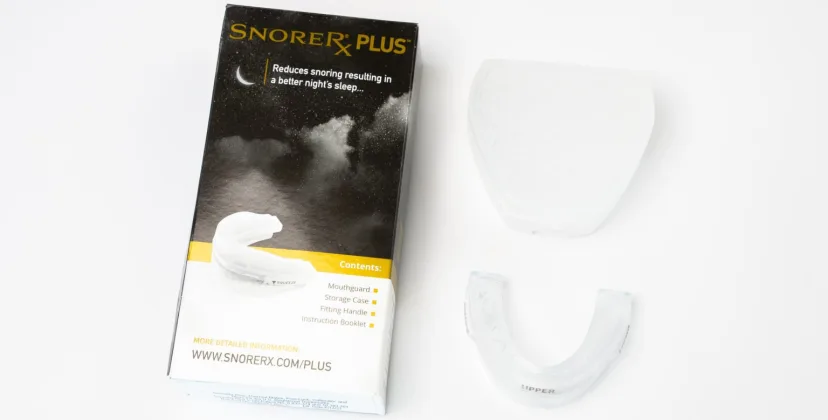
A mouthguard, also known as a mandibular advancement device (MAD), is a dental appliance worn during sleep to hold the jaw in a slightly forward position. This helps to keep the airway open and prevent the soft tissues in the back of the throat from collapsing and causing snoring. Mouthguards are typically custom-made by a dentist or can be purchased over the counter. They are made of a soft plastic material that molds to the shape of the teeth and can be adjusted for a comfortable fit.
The Science behind Mouthguards and Snoring
Snoring occurs when the soft tissues in the back of the throat relax and vibrate as air passes through, causing a loud, hoarse noise. Mouthguards work by repositioning the jaw slightly forward, which helps to tighten the muscles in the upper airway and keep the airway open. This prevents the soft tissues from collapsing and reduces snoring. According to a study published in the Journal of Dental Sleep Medicine, wearing a mouthguard can reduce snoring by up to 80%.
Benefits of Using Mouthguards
Apart from reducing snoring, there are several other benefits of using mouthguards. These include:
1. Improved Sleep Quality: Snoring can disrupt sleep for both the snorer and their partner. By reducing snoring, mouthguards can improve the quality of sleep for both individuals, leading to a more restful night.
2. Reduced Daytime Fatigue: People who snore often experience daytime fatigue due to the disrupted sleep. By improving sleep quality, mouthguards can help reduce fatigue and improve overall energy levels.
3. Better Breathing: Mouthguards can also be beneficial for people with sleep apnea, a serious sleep disorder where the airway becomes blocked, causing the person to stop breathing temporarily. By keeping the airway open, mouthguards can improve breathing and reduce the risk of sleep apnea episodes.
Say Goodbye to Snoring: The Effectiveness of Mouthguards
4. Non-Invasive: Unlike other treatments for snoring, such as surgery or continuous positive airway pressure (CPAP) machines, mouthguards are non-invasive and do not require any complicated procedures. They are also easily portable, making them a convenient option for people who travel often.
Choosing the Right Mouthguard
There are several types of mouthguards available, and it can be overwhelming to choose the right one. Here are a few things to consider when selecting a mouthguard:
1. Comfort: A good mouthguard should be comfortable to wear, and it should not cause any pain or discomfort in the jaw or teeth.
2. Customization: Custom-made mouthguards are generally more effective than over the counter ones as they are specifically designed for the individual’s mouth shape.
3. Material: Mouthguards can be made of different materials, such as soft plastic or a combination of hard and soft materials. It is essential to choose a material that is comfortable and effective for your needs.
4. Breathing Holes: Some mouthguards come with breathing holes to improve airflow. This can be beneficial for people who have difficulty breathing through their nose.
5. Adjustability: It is important to choose a mouthguard that can be adjusted for a comfortable fit. This allows for a more personalized and effective treatment.
In conclusion, snoring can have a significant impact on daily life and overall health. Mouthguards offer a non-invasive and effective solution for reducing snoring and improving sleep quality. With the wide variety of mouthguards available, it is essential to choose one that is comfortable and meets your specific needs. So, say goodbye to snoring and hello to a restful night’s sleep with the help of a mouthguard.
Summary:
Snoring can be a disruptive and potentially harmful issue, but mouthguards offer an effective solution for reducing snoring and improving sleep quality. These dental appliances work by repositioning the jaw to keep the airway open and prevent the soft tissues in the throat from collapsing. In addition to reducing snoring, mouthguards also offer benefits such as improved sleep quality, reduced daytime fatigue, and better breathing. When choosing a mouthguard, it is essential to consider factors such as comfort, customization, material, and adjustability. With the right mouthguard, individuals can say goodbye to snoring and hello to a restful night’s sleep.