
Summary:
Snoring is a common problem that affects millions of people around the world. It not only disrupts the sleep of the snorer but also their partner and anyone else sharing the same room. While alcohol is a known contributor to snoring, there are many other non-alcoholic factors that can lead to snoring, such as allergies, sinus issues, and sleep disorders. In this blog post, we will explore various non-alcoholic alternatives that can help alleviate snoring and improve the quality of sleep for both the snorer and their partner.
Firstly, we will discuss the importance of understanding the root cause of snoring. Often, snoring is a symptom of an underlying issue, and addressing that issue can help reduce or eliminate snoring. For example, allergies can cause nasal congestion, which can lead to snoring. In such cases, identifying and treating the allergies can help alleviate snoring. Similarly, sleep disorders like sleep apnea can also contribute to snoring, and seeking medical treatment for these disorders can greatly improve snoring.
Secondly, we will explore lifestyle changes that can help reduce snoring. One major lifestyle factor that contributes to snoring is being overweight. Excess weight can lead to soft tissue around the throat and neck, which can obstruct the airway and cause snoring. Therefore, maintaining a healthy weight through a balanced diet and regular exercise can be beneficial in reducing snoring.
Sip This Instead: Non-Alcoholic Alternatives for Snoring Relief
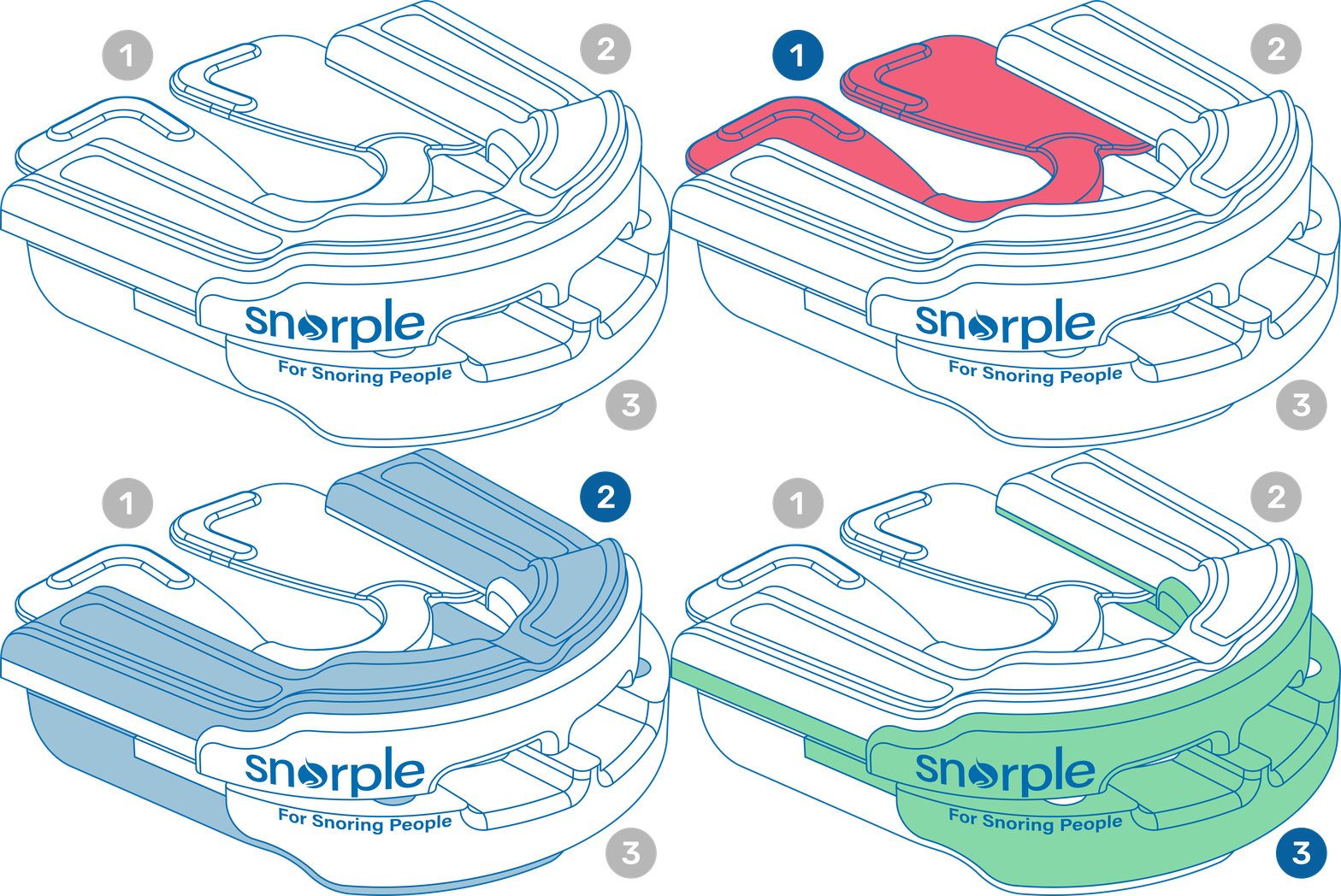
Next, we will delve into the world of non-alcoholic remedies for snoring. One effective solution is using nasal strips or dilators. These devices work by opening up the nasal passages, allowing for easier breathing and reducing snoring. Another option is using a mouthpiece or oral appliance, which helps to keep the airway open during sleep. There are also special pillows designed to keep the head and neck in a proper position, which can help prevent snoring.
In addition to these physical remedies, there are also natural alternatives that can help alleviate snoring. For example, certain essential oils, such as eucalyptus or peppermint, have anti-inflammatory properties that can help reduce congestion and improve breathing. Herbal teas like chamomile or lavender can also have a calming effect, promoting better sleep and reducing snoring. It is important to note that while these natural remedies can be effective, they may not work for everyone and it is always best to consult with a doctor before trying them.
Lastly, we will discuss the importance of proper sleep hygiene in reducing snoring. This includes establishing a regular sleep schedule, avoiding electronic devices before bedtime, and creating a comfortable sleep environment. Additionally, practicing relaxation techniques such as deep breathing or meditation can help improve sleep quality and reduce snoring.
In conclusion, while alcohol is a known contributor to snoring, there are many other non-alcoholic factors that can lead to snoring. By understanding the root cause and making necessary lifestyle changes, using non-alcoholic remedies, and practicing good sleep hygiene, snoring can be reduced or eliminated. It is important to consult with a doctor if snoring persists, as it could be a symptom of a more serious underlying issue. With these alternatives, both the snorer and their partner can enjoy a restful and peaceful night’s sleep.