
The combination of alcohol and snoring is a common occurrence, often experienced after a night of drinking. While many people may dismiss snoring as a minor annoyance, it can actually have negative effects on our health and well-being. It is important to understand the science behind alcohol and snoring in order to recognize the potential risks and take steps to avoid them.
Alcohol is a depressant that affects the central nervous system, slowing down brain activity and causing relaxation. This relaxation extends to the muscles in the body, including those in the throat. When these muscles relax, they can block the airway and cause the characteristic snoring sound. Additionally, alcohol can also cause inflammation in the nose and throat, leading to further obstruction of the airway.
Snoring itself may seem harmless, but it can actually be a symptom of a more serious condition called sleep apnea. This is a sleep disorder where the airway becomes completely blocked, resulting in pauses in breathing and a drop in oxygen levels. While not all snorers have sleep apnea, it is important to be aware of the potential risks and seek medical attention if necessary.
The combination of alcohol and snoring can also have a negative impact on the quality of our sleep. Snoring can disrupt our sleep cycle, preventing us from getting the deep and restorative sleep we need. This can result in fatigue, irritability, and difficulty concentrating the next day. When alcohol is added to the mix, it can further disrupt our sleep by causing more frequent awakenings and reducing the amount of time spent in the important REM stage of sleep.
In addition to the negative effects on sleep, the combination of alcohol and snoring can also have long-term health consequences. Chronic snoring and sleep apnea have been linked to an increased risk of cardiovascular problems such as high blood pressure, heart disease, and stroke. These conditions are also associated with heavy alcohol consumption, making the combination of the two even more concerning.
The Science Behind Alcohol and Snoring: How Avoiding One Can Curb the Other
But the good news is that avoiding alcohol can help curb snoring and reduce the risks associated with it. By understanding the science behind alcohol and snoring, we can take proactive steps to prevent snoring and improve our overall health.
First and foremost, limiting alcohol consumption is key. The more alcohol we consume, the more relaxed our muscles become, making snoring more likely. It is recommended to avoid alcohol at least 3-4 hours before bedtime to give the body time to process and metabolize it.
Maintaining a healthy weight can also help reduce snoring. Excess weight can contribute to snoring by putting pressure on the airway and causing it to narrow. By maintaining a healthy weight, we can reduce the risk of snoring and improve our overall sleep quality.
In addition, practicing good sleep hygiene can also help prevent snoring. This includes establishing a regular sleep schedule, avoiding screens and stimulating activities before bedtime, and creating a comfortable sleep environment. By getting enough restful sleep, our muscles will be less likely to relax and cause snoring.
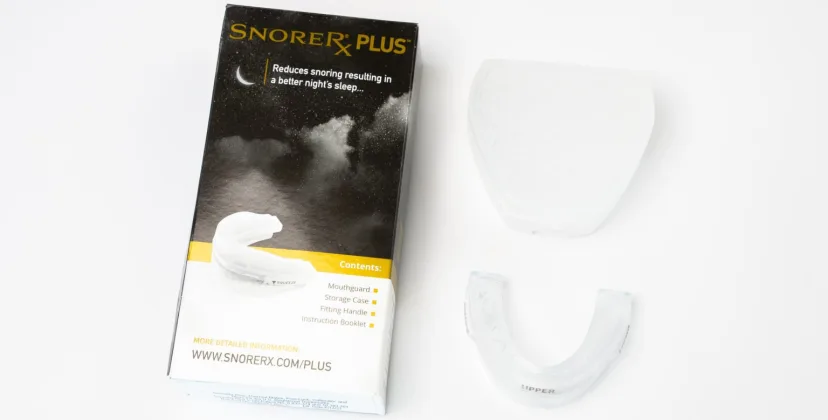
For those who already suffer from chronic snoring and sleep apnea, there are various treatments available. These may include lifestyle changes such as weight loss and quitting smoking, as well as medical interventions such as oral devices and continuous positive airway pressure (CPAP) machines.
In conclusion, the science behind alcohol and snoring shows us that the two are closely linked and can have significant impacts on our health and well-being. By understanding how alcohol affects our bodies and contributes to snoring, we can take steps to avoid it and improve our overall sleep quality. This includes limiting alcohol consumption, maintaining a healthy weight, and practicing good sleep hygiene. For those who already struggle with chronic snoring and sleep apnea, seeking medical attention and making necessary lifestyle changes can greatly improve their condition. By addressing snoring, we can not only get a better night’s sleep but also reduce the risks of long-term health consequences.