
Blog Post Title: Snooze Without the Booze: How Avoiding Alcohol Can Reduce Snoring and Improve Sleep
Summary:
Snoring is a common problem that affects millions of people worldwide. Not only does it disrupt your own sleep, but it can also disturb your partner’s sleep and lead to relationship problems. While there are many factors that can contribute to snoring, one often overlooked culprit is alcohol consumption. In this blog post, we will explore the connection between alcohol and snoring, and how avoiding alcohol can improve your sleep and reduce snoring.
Alcohol and Snoring:
Alcohol is a depressant that relaxes the muscles in the body, including the throat muscles. When these muscles relax too much, they can obstruct the airway and cause snoring. This is because the relaxed muscles vibrate as air passes through them, creating the snoring sound. Additionally, alcohol can also cause inflammation and irritation in the airway, making it more difficult to breathe and increasing the likelihood of snoring.
Alcohol and Sleep Quality:
While alcohol may initially make you feel drowsy and help you fall asleep faster, it actually disrupts the quality of your sleep. It reduces the amount of REM (rapid eye movement) sleep, which is crucial for restorative sleep. This means that even if you sleep for the recommended 7-9 hours, you may still wake up feeling tired and groggy due to the lack of quality sleep. This can also contribute to snoring as the body tries to compensate for the lack of restful sleep.
How Avoiding Alcohol Can Help:
The most obvious benefit of avoiding alcohol is that it reduces the likelihood of snoring. By eliminating alcohol from your bedtime routine, you can help keep your throat muscles from relaxing too much and obstructing your airway. This can significantly reduce or eliminate snoring altogether, allowing you and your partner to enjoy a peaceful night’s sleep.
In addition, avoiding alcohol can also improve the overall quality of your sleep. Without alcohol disrupting your REM sleep, you will wake up feeling more refreshed and energized. This will also help reduce daytime sleepiness and improve your overall mood and productivity.
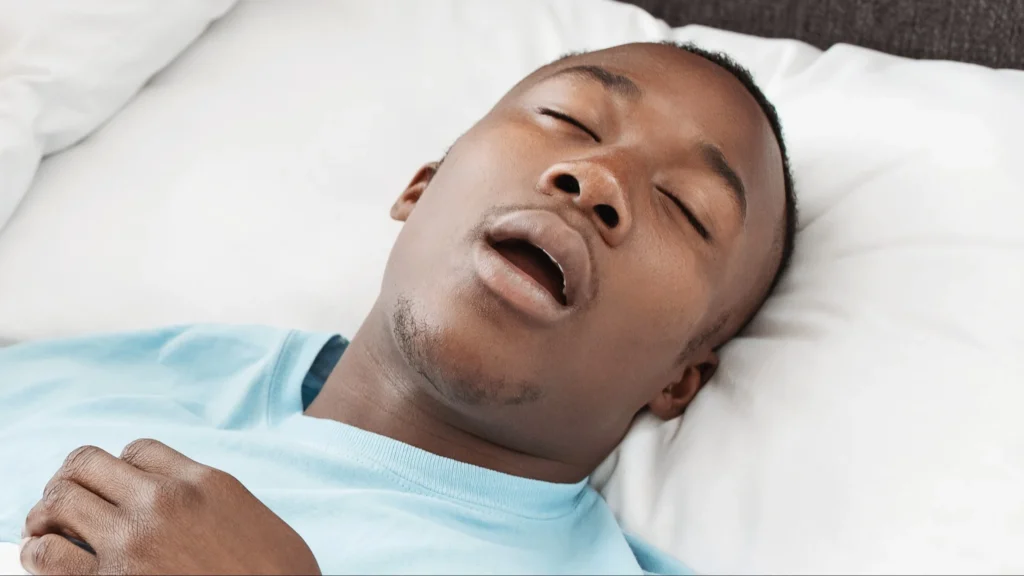
Snooze Without the Booze: How Avoiding Alcohol Can Reduce Snoring and Improve Sleep
Tips for Avoiding Alcohol:
If you’re used to having a drink before bed, it may be challenging to cut out alcohol completely. Here are some tips to help you avoid alcohol and reduce snoring:
1. Plan alternative activities: Instead of reaching for a drink, plan alternative activities to help you wind down before bed. This could include reading, taking a warm bath, or practicing relaxation techniques like deep breathing or meditation.
2. Avoid caffeine and heavy meals: Both caffeine and heavy meals can disrupt sleep and contribute to snoring. Try to avoid caffeine and heavy meals at least 2-3 hours before bedtime.
3. Create a bedtime routine: Establishing a bedtime routine can help signal to your body that it’s time to sleep. This can include things like taking a warm shower, listening to calming music, or reading a book.
4. Seek support: If you find it challenging to avoid alcohol on your own, seek support from friends and family. You can also join online support groups or seek professional help if needed.
5. Be patient: It may take some time for your body to adjust to the absence of alcohol. Be patient and give yourself time to adapt to the new routine.
Conclusion:
Snoring is a common problem that can have a significant impact on your sleep and overall well-being. While there are many factors that can contribute to snoring, avoiding alcohol is one simple and effective way to reduce or eliminate snoring. By eliminating alcohol from your bedtime routine, you can improve your sleep quality, reduce daytime sleepiness, and enjoy a peaceful night’s sleep.
SEO metadata: