
Snoring is a common issue that affects many individuals, causing disruption in their sleep and affecting the quality of their lives. While there are various methods and products available in the market claiming to help with snoring, one simple and effective solution is often overlooked – avoiding alcohol. In this blog post, we will dive deep into the relationship between alcohol and snoring, and how cutting down on alcohol consumption can significantly reduce snoring and improve overall sleep quality.
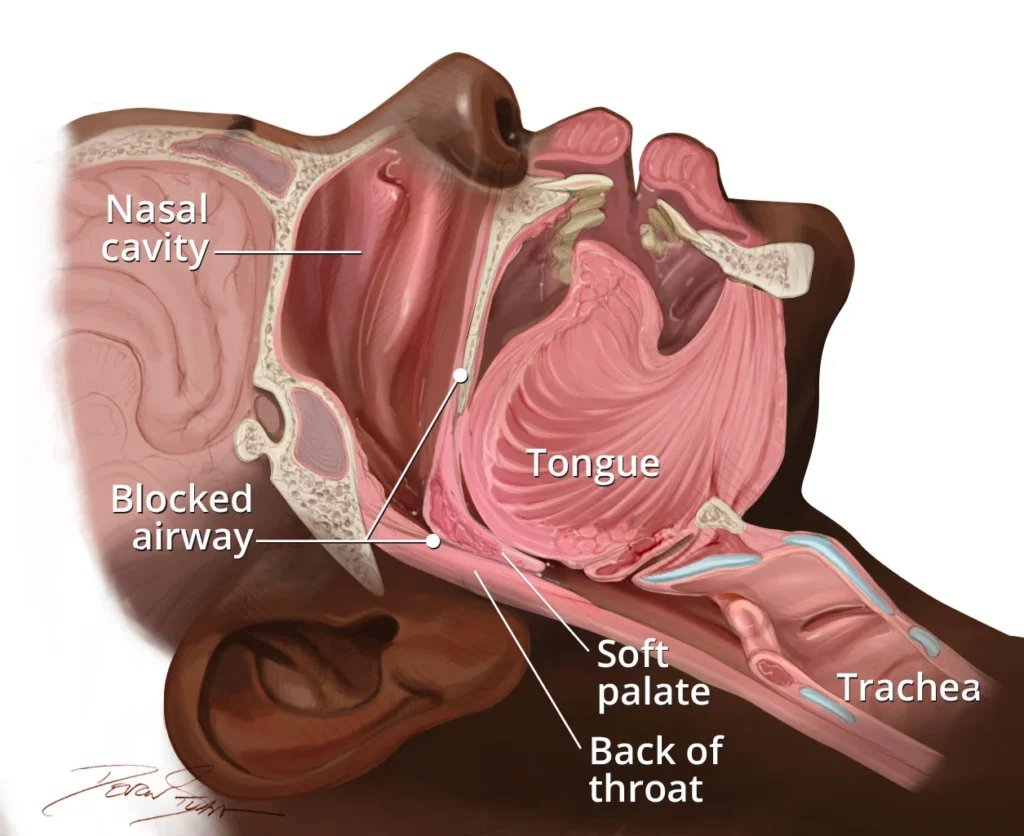
First, let’s understand what causes snoring. Snoring occurs when the tissues in the throat relax and partially block the airways, causing vibrations and loud noises while breathing. These tissues can become more relaxed and floppy due to several factors, including age, weight, allergies, and alcohol consumption. When we consume alcohol, it relaxes the muscles in our body, including the throat muscles, making them more susceptible to collapsing and obstructing the airways. This obstruction leads to snoring.
Moreover, alcohol also affects the quality of our sleep. While it may make us feel drowsy and help us fall asleep faster, it disrupts the natural sleep cycle and causes fragmented and shallow sleep. This disrupted sleep pattern can further aggravate snoring as it leads to more relaxed throat muscles, making them more likely to vibrate and produce loud snores. Additionally, alcohol is a diuretic, meaning it increases the production of urine, leading to frequent trips to the bathroom and interrupting sleep.
Cutting down on alcohol consumption can significantly reduce snoring and improve sleep quality. Limiting alcohol intake can help keep the throat muscles from becoming too relaxed, reducing the chances of obstruction and snoring. It also allows for a more restful sleep, reducing the likelihood of fragmented and shallow sleep, which can contribute to snoring. By avoiding alcohol, individuals can experience a more restful and uninterrupted night’s sleep, leading to better overall health and well-being.
Snores Be Gone: How Avoiding Alcohol Can Help You Stop Snoring
Moreover, excessive alcohol consumption can lead to weight gain, which is another significant contributing factor to snoring. Alcohol is high in calories and can contribute to a higher body mass index (BMI). As the fat deposits around the throat and neck increase, it can lead to a narrower airway, making it more likely for snoring to occur. Therefore, cutting down on alcohol can also help in maintaining a healthy weight and reducing the risk of snoring.
Aside from directly causing snoring, alcohol can also worsen existing sleep disorders such as sleep apnea. Sleep apnea is a condition where the airway is partially or completely blocked during sleep, leading to pauses in breathing and loud snoring. Excessive alcohol consumption can relax the throat muscles, leading to more frequent and severe episodes of sleep apnea. By avoiding alcohol, individuals with sleep apnea can significantly improve their condition and reduce snoring.
Furthermore, cutting down on alcohol consumption can have numerous other health benefits, including reducing the risk of chronic diseases such as liver disease, heart disease, and certain types of cancer. It can also improve mental health and cognitive function as alcohol is a depressant and can affect mood and brain function. Overall, avoiding alcohol can improve overall health and well-being, leading to better sleep and reduced snoring.
It is essential to note that even though avoiding alcohol can help reduce snoring, it is not a guaranteed solution for everyone. Loud snoring can also be a symptom of underlying health conditions such as sleep apnea, allergies, or a deviated septum. Therefore, it is crucial to consult a doctor if snoring persists, even after cutting down on alcohol consumption. They can help identify the root cause of snoring and provide proper treatment.
In conclusion, snoring can significantly impact an individual’s sleep and overall quality of life. Avoiding alcohol can be a simple yet effective solution to reduce snoring and improve sleep quality. By limiting alcohol intake, individuals can keep their throat muscles from becoming too relaxed, allowing for a more restful sleep and reducing the risk of fragmented and shallow sleep. It can also help in maintaining a healthy weight and reducing the risk of other chronic diseases. However, it is essential to seek medical advice if snoring persists, as it can be a symptom of an underlying health condition.