
Blog Post: The Role of Sleep Position in Snoring: A Scientific Perspective
Snoring is a common problem that affects millions of people worldwide. It can cause disturbances in sleep for both the snorer and their sleeping partner, leading to daytime fatigue, irritability, and other health issues. While many factors can contribute to snoring, one of the most significant and easily adjustable factors is sleep position.
The position we sleep in can have a significant impact on the quality and quantity of our sleep and the likelihood of snoring. In this blog post, we will dive into the scientific perspective on the role of sleep position in snoring and how you can make simple changes to your sleeping habits to reduce snoring and improve sleep quality.
Understanding Snoring
Before we discuss the role of sleep position in snoring, let’s first understand what snoring is. Snoring is the sound caused by the vibration of tissues in the throat as we breathe during sleep. It occurs when the airway is partially blocked, making it difficult for air to flow freely through the nose and throat.
Several factors can contribute to the narrowing of the airway, such as excess weight, alcohol consumption, allergies, and structural issues in the nose or throat. However, sleep position is also a crucial factor that can affect the likelihood and severity of snoring.
The Science Behind Sleep Position and Snoring
Our sleep position can affect our breathing patterns and, consequently, our likelihood of snoring. When we sleep, our muscles relax, including the muscles in our throat and neck. In some positions, these relaxed muscles can cause the airway to narrow, making it more challenging for air to flow through freely. This obstruction can lead to snoring.
The three most common sleep positions are back sleeping, side sleeping, and stomach sleeping. Let’s explore how each of these positions can affect snoring.
1. Back Sleeping
Back sleeping, also known as supine sleeping, is the position where a person sleeps on their back with their head and neck in a neutral position. While this is a popular position, it is also the worst position for snoring. When we sleep on our back, the tongue and soft tissues in the throat can fall back, blocking the airway and causing snoring.
Moreover, back sleeping can also cause the lower jaw to fall back, reducing the space in the airway and further contributing to snoring. As a result, people who sleep on their back are more likely to experience snoring and sleep apnea, a more severe sleep disorder characterized by pauses in breathing during sleep.
2. Side Sleeping
Side sleeping, also known as lateral sleeping, is the position where a person sleeps on their side with their head and neck in a neutral position. This position is considered the best for snorers as it can help keep the airway open and reduce snoring. When we sleep on our side, the tongue and soft tissues in the throat are less likely to obstruct the airway.
Moreover, side sleeping can also help keep the lower jaw in a forward position, creating more space in the airway and reducing the chances of snoring. Studies have shown that people who sleep on their side are less likely to experience snoring and sleep apnea compared to back sleepers.
3. Stomach Sleeping
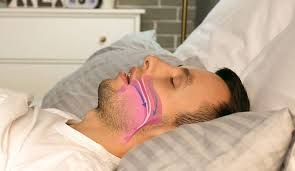
The Role of Sleep Position in Snoring: A Scientific Perspective
Stomach sleeping, also known as prone sleeping, is the position where a person sleeps on their stomach with their head turned to one side. While this position may seem comfortable for some, it is not recommended for snorers. Sleeping on our stomach can cause the neck to twist, putting pressure on the airway and making it more challenging for air to flow freely.
Moreover, stomach sleeping can also cause the lower jaw to move back, further narrowing the airway and increasing the likelihood of snoring. Studies have shown that stomach sleeping can significantly increase the severity of snoring and sleep apnea.
How to Improve Sleep Position for Better Sleep and Reduced Snoring
Now that we understand the science behind sleep position and snoring, let’s explore some tips to improve your sleep position for better sleep and reduced snoring.
1. Invest in a Good Pillow
The right pillow can make a significant difference in your sleep position. If you are a back sleeper, consider using a pillow with a slight elevation under your head to keep your airway open. For side sleepers, using a pillow that supports the neck and keeps the head aligned with the spine can help prevent neck pain and snoring. Stomach sleepers should use a flat pillow or no pillow at all to avoid neck strain.
2. Try Sleeping on Your Side
If you are a back sleeper, try training yourself to sleep on your side. You can use a body pillow or a rolled-up towel behind your back to help prevent you from rolling onto your back during sleep. Over time, you may find that side sleeping becomes your preferred position, leading to reduced snoring and better sleep.
3. Avoid Sleeping on Your Stomach
If you are a stomach sleeper, try to avoid this position as much as possible. You can use a body pillow to train yourself to sleep on your side or back. Additionally, try to make your stomach sleeping position less comfortable by placing a tennis ball or other small objects in your pajamas.
4. Consider an Adjustable Bed
An adjustable bed allows you to raise the upper body, making it easier to breathe during sleep and reducing the chances of snoring. If you struggle with snoring, investing in an adjustable bed may be worth considering.
Conclusion
Sleep position plays a critical role in snoring and can significantly impact our sleep quality. While it may take some effort and time to adjust your sleep position, the benefits of reduced snoring and improved sleep quality are well worth it. By understanding the science behind sleep position and implementing some tips to improve your sleeping habits, you can enjoy a peaceful and restful night’s sleep.
Summary:
Snoring is a common problem that affects many people and can lead to poor sleep quality and other health issues. While many factors can contribute to snoring, sleep position is a significant and easily adjustable factor. Sleeping on your back, side, or stomach can affect the likelihood and severity of snoring. Back sleeping is the worst position for snorers, while side sleeping is considered the best. Stomach sleeping is also not recommended for snorers. To improve sleep position for better sleep and reduced snoring, consider investing in a good pillow, trying to sleep on your side, avoiding stomach sleeping, and considering an adjustable bed.