
Blog Post:
Sleep apnea and snoring are common sleep disorders that affect millions of people worldwide. These conditions can have a significant impact on a person’s quality of sleep and overall health. One of the factors that can contribute to these conditions is the sleeping position. In this blog post, we will discuss the top sleeping positions for those with sleep apnea and snoring and how they can help to alleviate these issues.
1. Side Sleeping
Sleeping on your side is often recommended for those with sleep apnea and snoring. When you sleep on your side, your airway is less likely to become obstructed, allowing for better breathing and reducing the risk of apnea episodes. It is essential to keep your head and neck in a neutral position while sleeping on your side to prevent strain on your spine.
To make side sleeping more comfortable, you can use a body pillow or place a pillow between your knees for support. This position is also beneficial for pregnant women and those with acid reflux.
2. Elevated Head Position
Elevating your head while sleeping can help to improve breathing and reduce snoring. It helps to keep the airway open and prevent the tongue from falling back and blocking the air passage. You can achieve an elevated head position by using a wedge pillow or by propping up pillows under your head and upper body.
However, it is crucial to note that too much elevation can strain your neck and cause discomfort. It is best to find a comfortable and natural angle for your head and neck to avoid any pain or discomfort.
3. Sleeping on Your Stomach
Sleeping on your stomach is not generally recommended for those with sleep apnea and snoring. However, some people find this position helpful as it can improve breathing for some individuals. If you prefer to sleep on your stomach, it is essential to use a thin pillow or no pillow at all to avoid straining your neck.
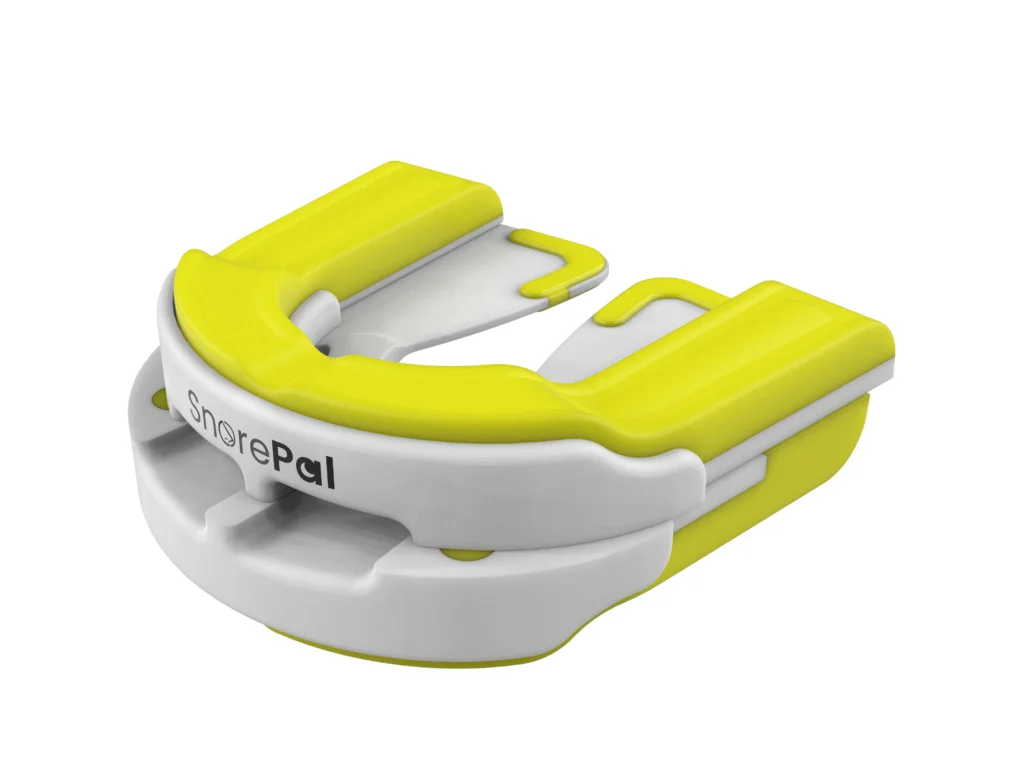
The Top Sleeping Positions for Those with Sleep Apnea and Snoring
Additionally, if you experience any pain or discomfort in your back or neck while sleeping on your stomach, it is best to avoid this position and try other options.
4. Sleeping on Your Back
Sleeping on your back is the most common position, but it is not ideal for those with sleep apnea and snoring. When you sleep on your back, the tongue and soft tissues at the back of your throat can fall back and block your airway, leading to snoring and apnea episodes.
If you prefer to sleep on your back, you can try using a wedge pillow or elevating your head to keep your airway open. However, if you experience any pain or discomfort in your back or neck, it is best to avoid this position and try other options.
5. Semi-Fowler Position
The Semi-Fowler position is a modified version of sleeping on your back, where your upper body is elevated at a 30-45 degree angle. This position can help to reduce snoring and improve breathing by keeping your airway open. You can achieve this position by using a wedge pillow or propping up pillows under your back and head.
However, it is crucial to find a comfortable angle to avoid any strain on your neck or back. If you experience any discomfort, it is best to try other sleeping positions.
6. Prone Position
The prone position is another variation of sleeping on your stomach, where your face is turned to one side, and your arms are placed above your head. This position can help to keep your airway open and improve breathing for some individuals. However, it is essential to note that this position may not be suitable for those with back or neck pain.
Summary:
In summary, the top sleeping positions for those with sleep apnea and snoring are side sleeping, an elevated head position, sleeping on your stomach, the semi-Fowler position, and the prone position. These positions can help to improve breathing and reduce snoring by keeping the airway open and preventing the tongue and soft tissues from blocking the air passage. It is crucial to find a comfortable angle and avoid any strain on your neck or back while sleeping in these positions.