
Blog Post:
Getting a good night’s sleep is crucial for our physical and mental well-being. However, many of us struggle with finding the right pillow that can help us improve our sleep position and reduce snoring. A good pillow not only supports our head and neck, but it also aligns our spine and ensures proper breathing, leading to a more restful sleep. In this blog post, we will discuss how to choose the right pillow to improve your sleep position and reduce snoring.
1. Consider Your Sleep Position
The first step in choosing the right pillow is to consider your sleep position. Whether you sleep on your back, side, or stomach, your pillow should support your head and neck in a neutral position. For back sleepers, a medium-firm pillow is recommended to keep the head and neck aligned. Side sleepers may need a firmer and thicker pillow to fill the gap between their neck and shoulder. Stomach sleepers should opt for a soft and thin pillow to prevent strain on the neck.
2. Evaluate the Fill Material
The fill material of a pillow plays a significant role in its support and comfort. The most common fill materials are down, memory foam, and synthetic fill. Down pillows are soft and lightweight, but they may not offer enough support for some sleepers. Memory foam pillows conform to the shape of your head and neck, providing excellent support. However, they may retain heat, making them uncomfortable for hot sleepers. Synthetic fill pillows are hypoallergenic and offer a good balance of support and softness.
3. Determine the Loft
The loft or height of a pillow is also crucial in choosing the right one. It should support your head and neck without causing strain. Generally, pillows with a medium loft are suitable for back sleepers, while side sleepers may prefer a high loft pillow. Stomach sleepers should opt for a low loft pillow to prevent strain on the neck. Some pillows come with adjustable loft, allowing you to customize it according to your needs.
4. Look for Contouring and Support
Contouring refers to a pillow’s ability to mold to the shape of your head and neck, providing personalized support. Memory foam pillows are known for their excellent contouring abilities. They also help distribute body weight evenly, reducing pressure points and promoting better blood circulation. Look for pillows specifically designed for neck support, as they can alleviate neck pain and stiffness.
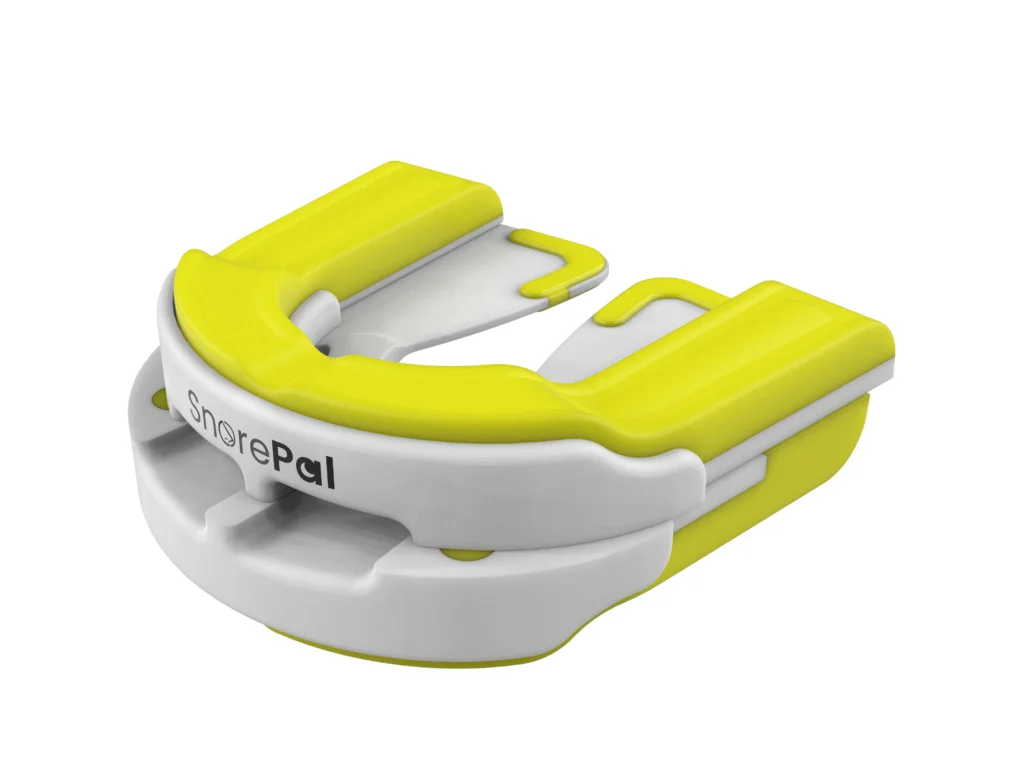
How to Choose the Right Pillow to Improve Your Sleep Position and Reduce Snoring
5. Consider Breathability
A breathable pillow is essential for a comfortable sleep, especially for hot sleepers. Memory foam and down pillows tend to retain heat, making them uncomfortable for some people. If you tend to sleep hot, opt for a pillow with a breathable cover, such as cotton or bamboo. You can also choose a pillow with cooling gel technology or ventilation holes to improve airflow and keep you cool throughout the night.
6. Check for Allergies
If you suffer from allergies or asthma, it is crucial to choose a hypoallergenic pillow. Down pillows may trigger allergies as they can harbor dust mites and other allergens. Synthetic fill pillows or those labeled as hypoallergenic are a better option for allergy sufferers. You can also opt for a pillow with a removable and washable cover to prevent the buildup of allergens.
7. Try Before You Buy
When choosing a pillow, it is essential to try it out before making a purchase. Many stores allow you to test pillows, so take advantage of this opportunity. Lie down on the pillow in your preferred sleep position and see if it provides the necessary support and comfort. If possible, try it out for a few nights to see if it improves your sleep quality.
8. Replace Your Pillow Regularly
No matter how good your pillow is, it will eventually lose its support and comfort over time. Experts recommend replacing your pillow every 1-2 years, depending on its quality and usage. Signs that it’s time to replace your pillow include lumps, visible wear and tear, and a loss of support. Remember, a good pillow is an investment in your sleep, so it’s worth replacing it regularly.
In conclusion, choosing the right pillow is crucial for a good night’s sleep. Consider your sleep position, fill material, loft, contouring and support, breathability, and allergies when choosing a pillow. Don’t be afraid to try different options and replace your pillow regularly to ensure you get the best sleep possible.
Summary:
A good pillow is essential for a good night’s sleep. When choosing a pillow, consider your sleep position, fill material, loft, contouring and support, breathability, and allergies. Try before you buy and replace your pillow regularly to ensure a comfortable and supportive sleep.