
Blog Post:
We all know that getting a good night’s sleep is important for our overall health and well-being. However, did you know that your sleeping position can have a significant impact on your snoring and dreams? It may come as a surprise, but the position you sleep in can affect the quality of your sleep, and even influence your snoring and dreams in ways you may not have imagined. In this blog post, we will explore the surprising ways your sleeping position can affect your snoring and dreams.
The Connection Between Sleeping Position and Snoring:
Snoring is a common problem that affects many people. It occurs when the muscles in the back of your throat relax too much, causing the airway to narrow. This results in the vibration of tissues, which produces the snoring sound. While snoring can be caused by a variety of factors such as allergies, weight, and alcohol consumption, your sleeping position can also play a significant role in how often and how loudly you snore.
Sleeping on your back is known to be the worst position for snoring. This is because when you sleep on your back, your tongue and soft palate can fall back, obstructing your airway and causing snoring. This position also puts pressure on your throat muscles, making it harder for them to keep the airway open. Additionally, sleeping on your back can also lead to mouth breathing, which can further increase the likelihood of snoring.
On the other hand, sleeping on your side or stomach can help reduce snoring. These positions keep your airway open and prevent your tongue and soft palate from falling back. Sleeping on your side is especially beneficial for those who suffer from sleep apnea, a condition where a person’s breathing repeatedly stops and starts during sleep. By sleeping on your side, you can reduce the risk of sleep apnea and improve the quality of your sleep.
The Impact of Sleeping Position on Dreams:
While most of us don’t give much thought to our sleeping position, it can have a surprising effect on our dreams. Researchers have found that the position we sleep in can influence the content and intensity of our dreams.
Sleeping on your stomach, for example, has been linked to more vivid and intense dreams. This is because when you sleep on your stomach, your brain is more active, and your body is in a state of alertness. This can lead to more vivid dreams and a higher chance of remembering them.
On the other hand, sleeping on your back has been linked to more negative dreams. This is because when you sleep on your back, your brain is more relaxed, and you are more likely to enter the REM (rapid eye movement) stage of sleep. During this stage, your brain is highly active, and your body is temporarily paralyzed. This can lead to more intense and vivid dreams, which can sometimes turn into nightmares.
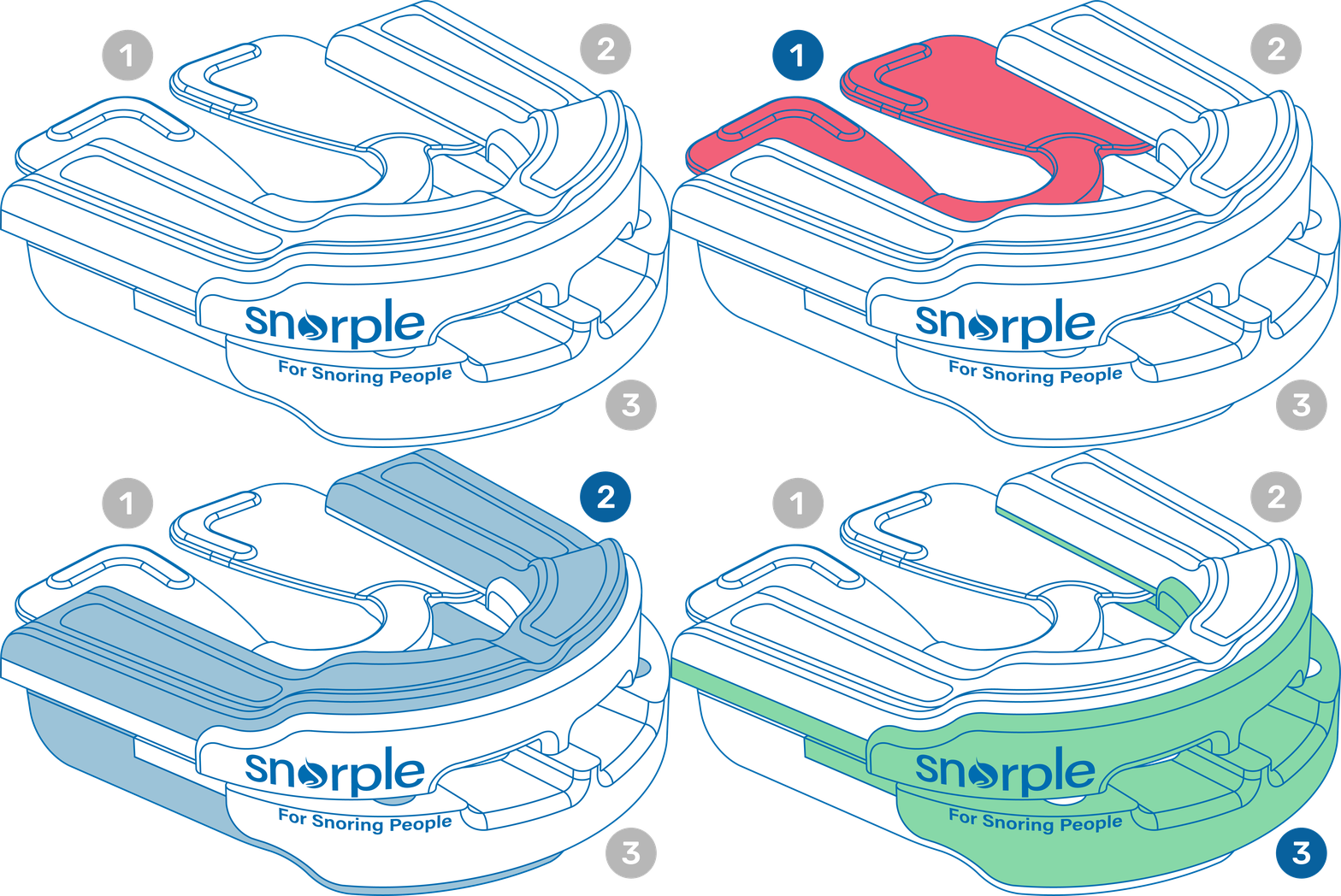
The Surprising Ways Your Sleeping Position Affects Your Snoring and Dreams
Additionally, sleeping on your side has been associated with more positive dreams. This is because sleeping on your side allows for better blood flow to the brain, resulting in a more relaxed state of mind. This can lead to more pleasant and happy dreams.
Tips for Finding the Right Sleeping Position:
Now that we know how our sleeping position can affect our snoring and dreams, here are some tips to help you find the right position for a good night’s sleep:
1. Use pillows: Placing a pillow under your knees when sleeping on your back can help keep your airway open and reduce snoring. Similarly, placing a pillow between your legs when sleeping on your side can help keep your spine aligned and prevent back pain.
2. Try a body pillow: If you tend to move around a lot while sleeping, a body pillow can help keep you in one position. This can be especially helpful for those who snore or have sleep apnea.
3. Elevate your head: Using an extra pillow or a wedge pillow to elevate your head can help prevent snoring, especially if you have allergies or a cold.
4. Experiment with different positions: If you have trouble finding a comfortable sleeping position, try experimenting with different ones. You may find that sleeping on your side or stomach can significantly improve the quality of your sleep.
5. Seek professional help: If you have severe snoring or sleep apnea, it is essential to seek professional help. A sleep specialist can help determine the underlying cause of your snoring and provide treatment options to improve your sleep.
In conclusion, our sleeping position can have a significant impact on our snoring and dreams. Sleeping on your back can lead to more snoring and negative dreams, while sleeping on your side or stomach can reduce snoring and result in more positive dreams. By finding the right sleeping position and making small adjustments, we can improve the quality of our sleep and have more pleasant dreams.
Summary:
In this blog post, we discussed how your sleeping position can affect your snoring and dreams. Sleeping on your back can increase snoring and lead to more negative dreams, while sleeping on your side or stomach can reduce snoring and result in more positive dreams. We also provided tips for finding the right sleeping position for a good night’s sleep, such as using pillows, experimenting with different positions, and seeking professional help if needed. By understanding the connection between sleeping position and snoring and dreams, we can take steps to improve the quality of our sleep and have more pleasant dreams.