
Blog Post:
Snoring is a common problem that affects millions of people worldwide. It not only disrupts the sleep of the snorer but also their partner, leading to a strained relationship and daytime fatigue. While there are various solutions available to combat snoring, one that has gained popularity in recent years is the use of tongue retaining devices (TRD). These devices claim to help reduce snoring by keeping the tongue in place, but do they really work? In this blog post, we will explore the truth about tongue retaining devices and their effectiveness in treating snoring.
What is a Tongue Retaining Device?
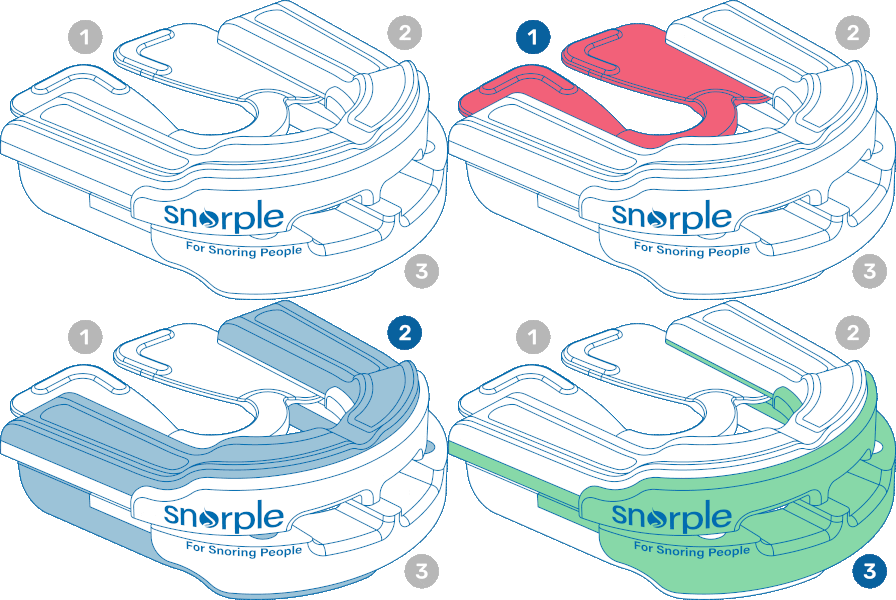
A tongue retaining device is a small, custom-made appliance that is placed in the mouth before going to bed. It consists of a soft, flexible suction cup that fits over the tongue, and a small handle that rests between the lips. The device works by holding the tongue in a forward position, preventing it from falling back and blocking the airway during sleep.
How Do Tongue Retaining Devices Help with Snoring?
Snoring occurs when the muscles and tissues in the throat relax, causing the airway to narrow and vibrate as air passes through. In some cases, the tongue can also fall back and obstruct the airway, leading to snoring. Tongue retaining devices work by keeping the tongue in place, preventing it from blocking the airway and reducing snoring.
The Truth About Tongue Retaining Devices and Snoring
While tongue retaining devices may seem like a promising solution for snoring, there are some important things to consider before using them.
1. They May Not Work for Everyone
Tongue retaining devices are not a one-size-fits-all solution. The success of these devices in treating snoring depends on the individual’s anatomy and the cause of their snoring. In some cases, the tongue may not be the primary cause of snoring, and therefore, a tongue retaining device may not be effective.
2. They Can Be Uncomfortable
Wearing a tongue retaining device can take some getting used to. It can feel strange and uncomfortable, especially for those who are not used to sleeping with something in their mouth. Some users may experience excessive salivation or a gag reflex, making it difficult to sleep with the device.
3. They Require Maintenance
The Truth About Tongue Retaining Devices and Snoring
Tongue retaining devices need to be cleaned regularly to prevent the build-up of bacteria and other microorganisms. They also need to be replaced every few months, which can be costly.
4. They May Have Side Effects
Some users may experience side effects such as jaw pain, teeth shifting, or changes in bite alignment. These side effects are usually temporary and can be resolved by adjusting the device or taking a break from using it.
5. They Are Not A Cure for Sleep Apnea
Tongue retaining devices are often marketed as a solution for sleep apnea, a sleep disorder characterized by pauses in breathing during sleep. While they may help with snoring, they are not a cure for sleep apnea. If you suspect that you have sleep apnea, it is important to consult a doctor for proper diagnosis and treatment.
Are There Any Alternatives?
If you are hesitant about using a tongue retaining device, there are other alternatives available that may help with snoring. These include:
1. Continuous Positive Airway Pressure (CPAP) Machines: CPAP machines work by delivering a continuous stream of air to keep the airway open during sleep.
2. Oral Appliances: Similar to tongue retaining devices, oral appliances work by keeping the jaw and tongue in a forward position to prevent them from falling back and obstructing the airway.
3. Lifestyle Changes: Making lifestyle changes such as losing weight, avoiding alcohol before bedtime, and sleeping on your side instead of your back can also help reduce snoring.
Summary:
Snoring can be a frustrating and disruptive problem, but tongue retaining devices may not be the perfect solution for everyone. While they may help reduce snoring in some cases, they can also be uncomfortable, require maintenance, and have potential side effects. It is essential to consult a doctor before using any anti-snoring device and explore other alternatives that may be more suitable for your individual needs.
In conclusion, tongue retaining devices may provide relief for some snorers, but they are not a cure-all solution. It is important to understand their limitations and potential drawbacks before using them. Consulting a doctor and exploring other alternatives can help find the best solution for your snoring problems.