
Blog Post: Snoring and Periodontal Disease: What You Need to Know
Snoring is a common problem that affects millions of people worldwide. While most people view snoring as a mere annoyance, it can actually be a sign of a more serious health issue – periodontal disease. Periodontal disease, also known as gum disease, is a chronic inflammatory condition that affects the tissues surrounding the teeth. It is caused by the buildup of bacteria in the mouth, which can lead to tooth loss if left untreated. In this blog post, we will explore the link between snoring and periodontal disease, and what you need to know to protect your oral health.
The Link Between Snoring and Periodontal Disease
Studies have shown that there is a strong correlation between snoring and periodontal disease. This is because snoring can lead to a dry mouth, which creates the perfect environment for bacteria growth. When you snore, your mouth tends to open, causing a decrease in saliva production. Saliva plays a crucial role in maintaining good oral health as it helps to wash away food particles and neutralize acids produced by bacteria. Without enough saliva, bacteria can thrive and cause damage to the gums and teeth.
Furthermore, snoring can also lead to mouth breathing, which can further exacerbate the risk of periodontal disease. Mouth breathing can cause the gums to recede, making them more susceptible to infection and inflammation. It can also dry out the oral tissues, making them more prone to bacteria growth.
The Impact of Periodontal Disease on Overall Health
Periodontal disease not only affects your oral health but can also have a significant impact on your overall health. Bacteria from the mouth can enter the bloodstream and travel to other parts of the body, causing inflammation and increasing the risk of various health issues. Some studies have linked periodontal disease to an increased risk of heart disease, stroke, diabetes, and respiratory problems.
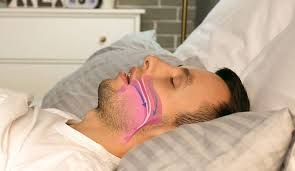
Snoring and Periodontal Disease: What You Need to Know
Additionally, periodontal disease can also have a negative effect on pregnancy. Pregnant women with periodontal disease have been found to be at a higher risk of premature birth and low birth weight babies. This is because the bacteria can enter the bloodstream and affect the developing baby.
How to Prevent Periodontal Disease Caused by Snoring
The good news is that there are steps you can take to prevent periodontal disease caused by snoring. The first and most crucial step is to address the root cause of snoring. If you snore, it is essential to consult with your doctor to determine the underlying cause. In some cases, snoring can be a symptom of sleep apnea, a serious sleep disorder that requires medical treatment.
In addition to addressing snoring, it is also vital to maintain good oral hygiene. This includes brushing your teeth twice a day, flossing daily, and using an antibacterial mouthwash. It is also recommended to visit your dentist regularly for cleanings and check-ups. Your dentist can identify early signs of periodontal disease and provide treatment to prevent it from progressing.
For those who have already been diagnosed with periodontal disease, it is crucial to follow the treatment plan prescribed by your dentist. This may include professional cleanings, scaling and root planing, and in some cases, surgery. It is also essential to continue practicing good oral hygiene and attending regular dental visits to prevent the disease from recurring.
Conclusion
In conclusion, snoring and periodontal disease are closely linked, and it is essential to address snoring to prevent the development of gum disease. Periodontal disease not only affects your oral health but can also have a significant impact on your overall well-being. By taking steps to prevent snoring and maintaining good oral hygiene, you can protect your oral health and reduce the risk of periodontal disease.
In summary, snoring can lead to a dry mouth and mouth breathing, creating the perfect environment for bacteria growth and increasing the risk of periodontal disease. Periodontal disease can have a significant impact on overall health, and it is essential to address snoring and practice good oral hygiene to prevent it. Regular dental visits and following the treatment plan for periodontal disease are crucial for maintaining good oral health.