
Summary:
Snoring is a common problem that affects millions of people worldwide. While it may seem like a harmless nuisance, snoring can actually have serious consequences for both your health and overall well-being. In fact, snoring can be an indication of underlying health issues, particularly those related to your mouth.
In this blog post, we will dive into the connection between snoring and your mouth, and how it can lead to various consequences. We will also discuss the different causes of snoring and how they relate to your mouth, as well as potential treatment options to help alleviate the problem.
Understanding the Consequences of Snoring:
Snoring occurs when the airway at the back of your throat becomes partially blocked, causing vibrations and the loud, grunting sound that is often associated with snoring. This blockage can be caused by a variety of factors, including obesity, alcohol consumption, and sleeping on your back. However, one of the most overlooked causes of snoring is the positioning of your tongue and jaw.
When you sleep, your tongue and jaw relax, causing them to fall back and block the airway. This can be exacerbated if you have a small jaw or a large tongue, making it difficult for air to pass through. As a result, you may experience frequent snoring and interruptions in your breathing, which can lead to a condition known as sleep apnea.
Sleep apnea is a serious health condition that causes a person to stop breathing for short periods while they are asleep. It can have a significant impact on your overall health, as it disrupts your sleep cycle and deprives your body of oxygen. If left untreated, sleep apnea can lead to high blood pressure, heart disease, and other health problems.
The Connection Between Snoring and Your Mouth:
As mentioned earlier, the positioning of your tongue and jaw can contribute to snoring and sleep apnea. But what causes these anatomical features to be in such a position?
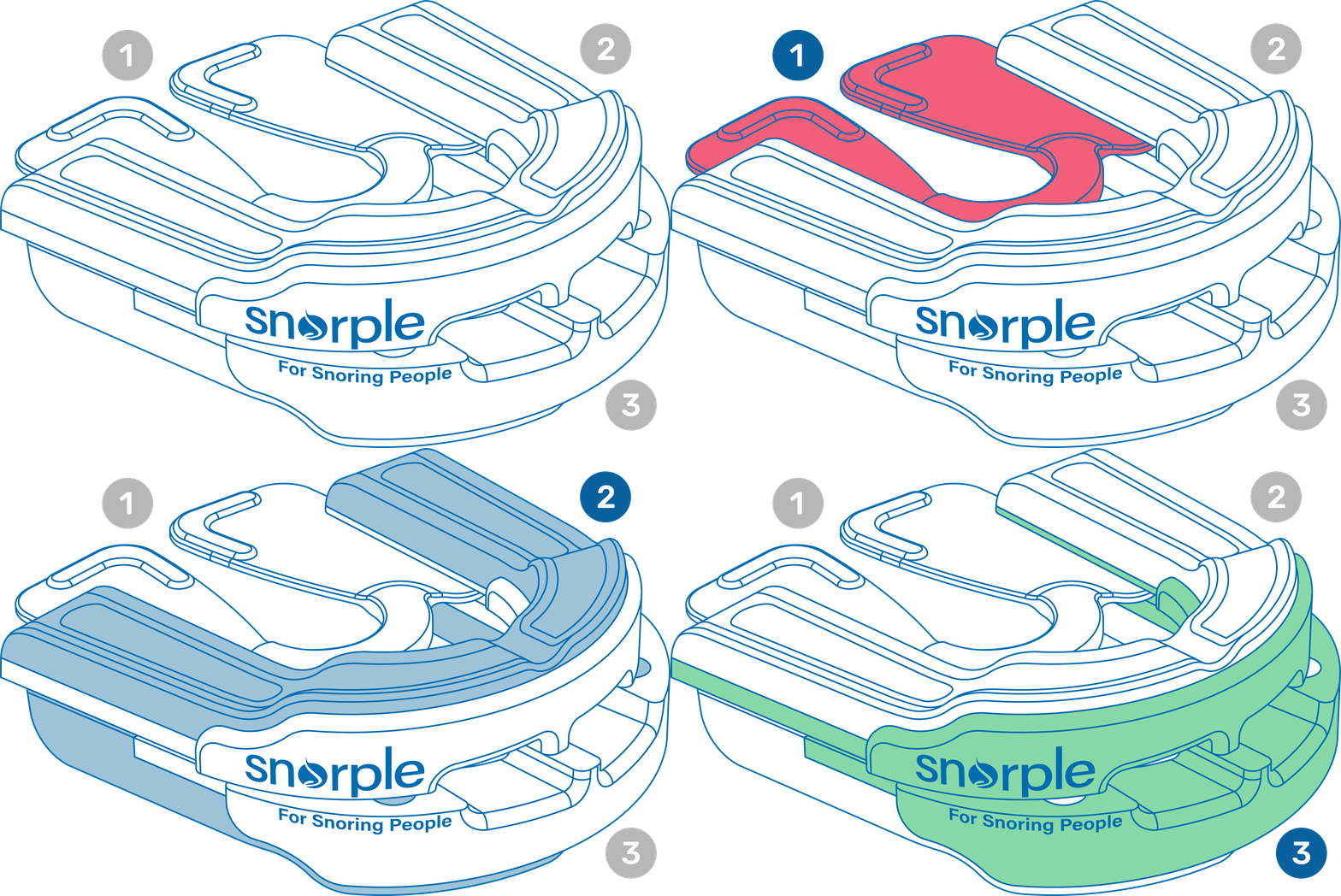
Snoring and Your Mouth: Understanding the Consequences
One of the main culprits is the structure of your mouth. If your mouth is narrow, it can cause your tongue and jaw to be pushed back, leading to a blocked airway. Additionally, if you have misaligned teeth or a misaligned bite, it can also contribute to snoring. This is because when your teeth are not properly aligned, it can affect the positioning of your jaw, causing it to fall back and block the airway.
Furthermore, some people have enlarged tonsils or adenoids, which can also obstruct the airway and contribute to snoring. These structures are located at the back of the throat and can become inflamed or enlarged, especially in children. If left untreated, enlarged tonsils and adenoids can lead to chronic snoring and sleep apnea.
Treatment Options for Snoring:
If you suffer from chronic snoring, it is important to seek medical advice to determine the underlying cause. In some cases, lifestyle changes such as losing weight, avoiding alcohol before bedtime, and sleeping on your side can help alleviate snoring. However, if your snoring is caused by an anatomical issue, you may need to consider other treatment options.
One of the most effective treatments for snoring and sleep apnea is a dental appliance, also known as a mandibular advancement device. This device is custom-made by a dentist and is worn during sleep to keep the jaw and tongue in a forward position, preventing them from blocking the airway.
In more severe cases, surgery may be recommended to correct any structural issues in the mouth, such as enlarged tonsils or a deviated septum. However, this is usually a last resort and should only be considered after all other treatment options have been exhausted.
In addition to seeking treatment for snoring, it is important to address any underlying health issues that may be contributing to the problem. For instance, if you are overweight, losing weight can not only help reduce snoring but also improve your overall health.
Conclusion:
In conclusion, snoring is not just a harmless annoyance, but a potential indicator of underlying health issues. If you suffer from chronic snoring, it is important to seek medical advice to determine the cause and explore potential treatment options. By understanding the connection between snoring and your mouth, you can take the necessary steps to improve your overall health and well-being.