
Acupuncture is an ancient form of Traditional Chinese Medicine that has been used for centuries to treat a variety of health conditions. While it may be most commonly associated with relieving pain, acupuncture has also been found to be effective in treating snoring. For those who suffer from snoring, this can be a game-changer in getting a good night’s sleep and improving overall quality of life. In this blog post, we will explore the secrets of acupuncture for snoring relief and how it can be used as a natural and non-invasive treatment option.
Understanding Snoring
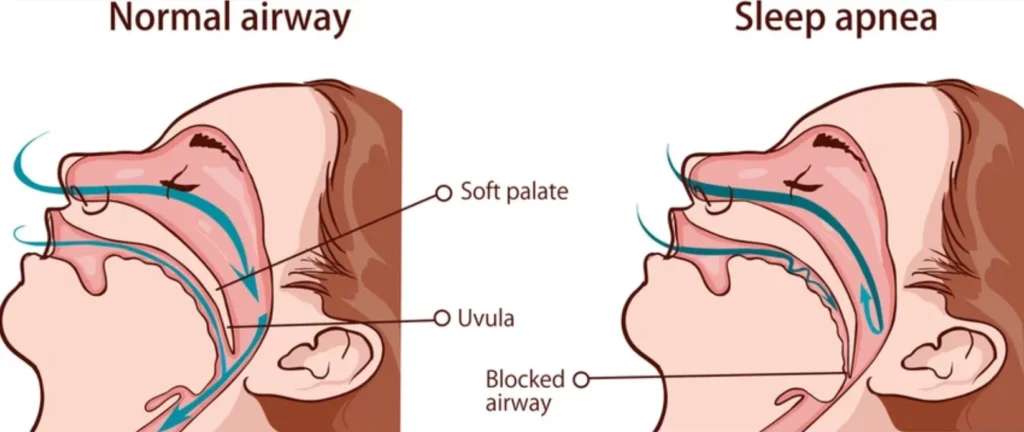
Before diving into the benefits of acupuncture for snoring relief, it is important to understand what causes snoring in the first place. Snoring is a common issue that affects approximately 90 million Americans, with men being more prone to it than women. It occurs when the muscles and tissues in the throat relax and obstruct the airway, causing vibrations and the characteristic snoring sound.
Snoring can have a significant impact on one’s quality of sleep, leading to daytime fatigue, irritability, and difficulty concentrating. It can also be a sign of a more serious condition known as obstructive sleep apnea, which is characterized by pauses in breathing during sleep. If left untreated, sleep apnea can increase the risk of health issues such as high blood pressure, heart disease, and stroke.
How Acupuncture Can Help with Snoring
Acupuncture works by stimulating specific points on the body, known as acupoints, to balance the flow of energy, or qi, throughout the body. According to Traditional Chinese Medicine, snoring is caused by an imbalance in the body’s energy flow, and acupuncture can help correct this imbalance.
One of the main ways acupuncture can help with snoring is by strengthening the muscles in the throat and improving the tone of the tissues. By targeting acupoints in the throat and neck area, acupuncture can help reduce the relaxation of these muscles and tissues, leading to less obstruction in the airway and a decrease in snoring.
In addition, acupuncture can also help with other underlying factors that contribute to snoring, such as stress, anxiety, and inflammation. By targeting specific acupoints, acupuncture can help reduce stress and promote relaxation, which can have a positive effect on snoring. It can also help reduce inflammation in the nasal passages, which can contribute to snoring.
What to Expect During an Acupuncture Session
If you are considering acupuncture for snoring relief, it is important to find a qualified and licensed acupuncturist. During your first session, the acupuncturist will conduct a thorough evaluation to determine the root cause of your snoring. They will also ask about your medical history and any other health conditions you may have.
Unleashing the Secrets of Acupuncture for Snoring Relief
Once the evaluation is complete, the acupuncturist will determine the best course of treatment for you. This may involve a combination of acupuncture, herbal remedies, and lifestyle changes. The acupuncture session itself involves the insertion of thin, sterile needles into specific acupoints on the body. While some may experience a slight tingling sensation, many people find the treatment to be relaxing and painless.
It is important to note that acupuncture is not a one-time fix and may require multiple sessions for optimal results. The number of sessions needed will depend on the severity of your snoring and other individual factors.
Other Natural Remedies for Snoring
Along with acupuncture, there are other natural remedies that can help with snoring. These include:
1. Maintaining a healthy weight: Excess weight can contribute to snoring by putting pressure on the airway. Maintaining a healthy weight through diet and exercise can help reduce snoring.
2. Sleeping on your side: Sleeping on your back can worsen snoring as gravity can cause the tongue and soft tissues in the throat to fall back and obstruct the airway. Sleeping on your side can help keep the airway open.
3. Avoiding alcohol and sedatives: Alcohol and sedatives can relax the muscles in the throat, leading to increased snoring. Avoiding or limiting these substances can help reduce snoring.
4. Using a humidifier: Dry air can irritate the nasal passages and contribute to snoring. Using a humidifier can help keep the air moist and reduce snoring.
5. Practicing good sleep hygiene: Getting enough sleep, sticking to a regular sleep schedule, and creating a comfortable sleep environment can all help improve sleep quality and reduce snoring.
Summary:
Snoring is a common issue that affects many people and can have a significant impact on one’s quality of sleep. Acupuncture, an ancient form of Traditional Chinese Medicine, has been found to be effective in treating snoring by targeting acupoints to balance the body’s energy flow. It can also help with other underlying factors such as stress and inflammation. Along with acupuncture, other natural remedies such as maintaining a healthy weight and good sleep hygiene can also help reduce snoring. If you are considering acupuncture for snoring relief, it is important to consult with a licensed acupuncturist for a personalized treatment plan.