
Acupuncture is an ancient practice that has been used for centuries to address a variety of health issues. While it is most commonly associated with pain relief, many people are turning to acupuncture to improve their sleep quality. In this blog post, we will explore how acupuncture can benefit your sleep and how it works to promote better rest.
Acupuncture is a form of traditional Chinese medicine that involves the insertion of thin needles into specific points on the body. These points, known as acupoints, are believed to be connected to pathways of energy, or qi, in the body. By stimulating these acupoints, acupuncture aims to balance the flow of qi and restore health to the body.
One of the main ways that acupuncture can improve sleep quality is by reducing stress and anxiety. Many people struggle to fall asleep or stay asleep due to racing thoughts and worries. Acupuncture has been shown to release endorphins, the body’s natural feel-good hormones, which can help to calm the mind and promote relaxation. This can be especially beneficial for those who suffer from chronic stress or anxiety, which can have a significant impact on sleep quality.
In addition to reducing stress and anxiety, acupuncture can also address specific sleep disorders. For example, research has shown that acupuncture can be effective in treating insomnia. Insomnia is a common sleep disorder characterized by difficulty falling or staying asleep, waking up too early, or feeling unrefreshed after sleep. By targeting specific acupoints, acupuncture can help to regulate the body’s internal clock and improve sleep quality.
Acupuncture can also be beneficial for those who struggle with sleep apnea. Sleep apnea is a sleep disorder in which breathing repeatedly stops and starts during sleep. It can lead to poor sleep quality and even serious health issues if left untreated. Studies have shown that acupuncture can improve symptoms of sleep apnea, such as snoring and daytime sleepiness, by strengthening the muscles in the airway and promoting better breathing patterns.
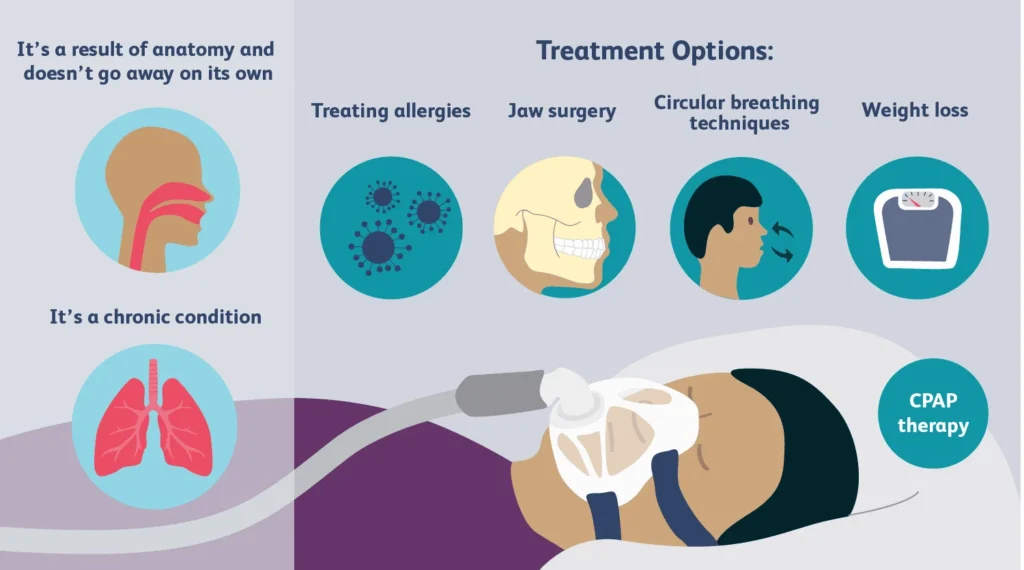
How Acupuncture Can Improve Your Sleep Quality
Another way that acupuncture can improve sleep quality is by addressing pain and discomfort. Many people experience difficulty falling asleep or staying asleep due to chronic pain or discomfort. Acupuncture can help to reduce pain and inflammation by stimulating the release of endorphins and increasing blood flow to the affected area. This can provide relief and allow for a more restful night’s sleep.
Aside from its direct effects on sleep, acupuncture can also improve overall health and well-being, which can indirectly lead to better sleep. By promoting the balance of qi in the body, acupuncture can help to address underlying health issues that may be contributing to poor sleep quality. It can also boost the immune system, improve digestion, and reduce inflammation, all of which can have a positive impact on sleep.
If you are considering trying acupuncture to improve your sleep, it is important to find a licensed and experienced practitioner. They will work with you to create a personalized treatment plan that addresses your specific sleep concerns. Acupuncture sessions typically involve the insertion of thin needles into specific acupoints, but other techniques such as acupressure or cupping may also be used.
While acupuncture can be a highly effective treatment for improving sleep quality, it may not work for everyone. It is important to keep an open mind and have realistic expectations. Some people may experience immediate improvements, while others may require multiple sessions before seeing results. It is also important to note that acupuncture is not a quick fix and may require ongoing maintenance to maintain its benefits for sleep.
In addition to acupuncture, there are also other lifestyle changes that can support better sleep quality. These include creating a relaxing bedtime routine, avoiding caffeine and electronics before bed, and creating a comfortable sleep environment. Combining these practices with acupuncture can provide a holistic approach to improving sleep.
In conclusion, acupuncture can be a highly effective tool for improving sleep quality. By targeting stress, anxiety, sleep disorders, pain, and overall health, acupuncture can provide a natural and holistic approach to achieving better rest. If you are struggling with sleep issues, consider giving acupuncture a try and experience the many benefits it has to offer.