
Snoring is a common problem that affects millions of people worldwide. It is not only disruptive to the snorer’s sleep, but it can also disturb the sleep of their partners and family members. Snoring can be caused by a variety of factors, including nasal congestion, sleep position, and lifestyle habits. However, one of the most common underlying causes of snoring is enlarged tonsils. In this blog post, we will explore the connection between snoring, enlarged tonsils, and allergies, and how they are all interrelated.
The Link Between Snoring and Enlarged Tonsils
Tonsils are a pair of soft tissue masses located at the back of the throat, which act as the first line of defense against bacteria and viruses. However, in some cases, the tonsils can become enlarged, which can lead to various health issues, including snoring. Enlarged tonsils can obstruct the airway, making it difficult for air to pass through, causing vibrations in the throat, which results in snoring.
Snoring is often associated with sleep apnea, a sleep disorder characterized by pauses in breathing or shallow breathing during sleep. When the tonsils are enlarged, they can block the airway, causing these breathing pauses, and ultimately resulting in sleep apnea. This condition not only affects the snorer’s quality of sleep but can also lead to other health problems such as fatigue, irritability, and even heart disease.
The Role of Allergies in Enlarged Tonsils
Allergies are another common cause of enlarged tonsils. Allergens such as dust, pollen, and pet dander can trigger an immune response, causing inflammation and swelling of the tonsils. This can lead to enlarged tonsils, making it difficult for air to pass through the airway, resulting in snoring.
Moreover, allergies can also cause nasal congestion, which can further contribute to snoring. When the nasal passages are blocked, the body will try to compensate by breathing through the mouth, leading to snoring. Nasal congestion can also cause the snorer to breathe through their mouth while sleeping, leading to dry mouth and throat, causing snoring.
The Connection Between Snoring, Enlarged Tonsils, and Allergies
As we can see, there is a strong interconnection between snoring, enlarged tonsils, and allergies. Enlarged tonsils can lead to snoring, and allergies can cause enlarged tonsils, which further aggravates snoring. It is a vicious cycle that can greatly affect a person’s sleep quality and overall health.
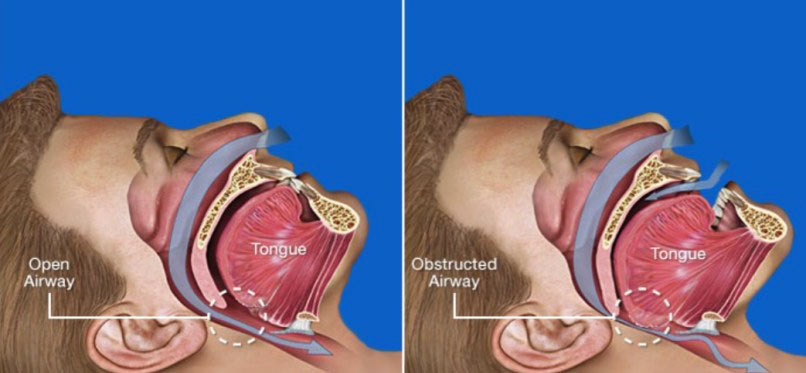
The Connection Between Snoring, Enlarged Tonsils, and Allergies
Furthermore, allergies can also worsen the symptoms of sleep apnea. Allergic reactions can cause inflammation and swelling of the airway, making it even more difficult for the snorer to breathe. This can further contribute to sleep apnea and its associated health risks.
Treatment Options
The good news is that there are several treatment options available for snoring, enlarged tonsils, and allergies. In some cases, simply treating the allergies can reduce the size of the tonsils and alleviate snoring. This can be achieved through allergy shots, medication, or avoiding triggers.
If the allergies are not the primary cause of enlarged tonsils, there are other treatment options available. For mild cases, lifestyle changes such as weight loss, avoiding alcohol and sedatives, and sleeping on the side can help reduce snoring. In more severe cases, surgical removal of the tonsils, also known as a tonsillectomy, may be necessary.
For sleep apnea caused by enlarged tonsils, a tonsillectomy may also be recommended. It is a common and effective treatment for sleep apnea, as removing the enlarged tonsils can open up the airway, allowing for better breathing during sleep.
Conclusion
In conclusion, snoring, enlarged tonsils, and allergies are closely interconnected. Enlarged tonsils can lead to snoring, and allergies can cause enlarged tonsils, which further aggravates snoring. It is essential to address the root cause of these issues to effectively treat them. Seeking medical advice and exploring different treatment options can greatly improve the quality of sleep and overall health.
Summary:
Snoring is a common problem that can disrupt sleep and lead to other health issues. One of the main causes of snoring is enlarged tonsils, which can obstruct the airway and cause vibrations in the throat. Allergies are another common cause of enlarged tonsils, as they can trigger inflammation and swelling. This can worsen snoring and even lead to sleep apnea. Treatment options include addressing allergies, lifestyle changes, and surgical removal of the tonsils. It is essential to address the root cause of these issues to effectively treat them and improve sleep quality and overall health.